Articles
How-tos, gear explainers and playing tips from the Guitar Gear team. Looking for “best of” roundups? See our buyer’s guides.
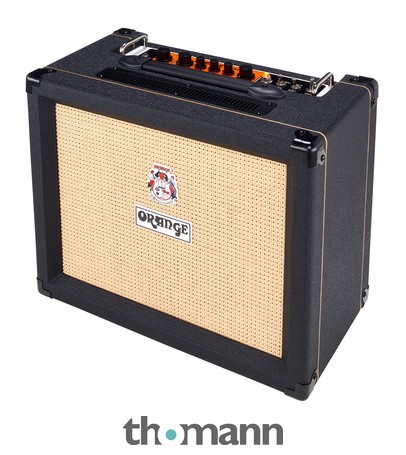 Bass through a guitar amp: why it never quite worksPlugging bass into a guitar amp seems harmless until the speaker starts farting out. Here's the actual physics of why it struggles, and what to do about it.
- Miking a cab vs. amp-sim: getting a clean DI tone that sits rightWhy clean archtop and jazz tones often translate better through amp-sims than high-gain does, and how to set levels so your DI tone sits in a mix properly.
 Why fan-fret and multiscale necks actually matter for low tuningsMultiscale necks aren't a gimmick for drop-tuned players. Here's what fan frets actually fix, and when a straight scale is still the smarter buy.
- Comping technique: why your left hand shapes your tone more than gearYour comping hand controls voicing clarity, dynamics and tone more than any pedal or amp setting. Here's how I actually practise it.
- Why a bass amp's wattage number lies to youWatts on a bass amp don't mean what they mean on a guitar amp. Here's why headroom, speaker size and valve vs solid-state design matter more than the number.
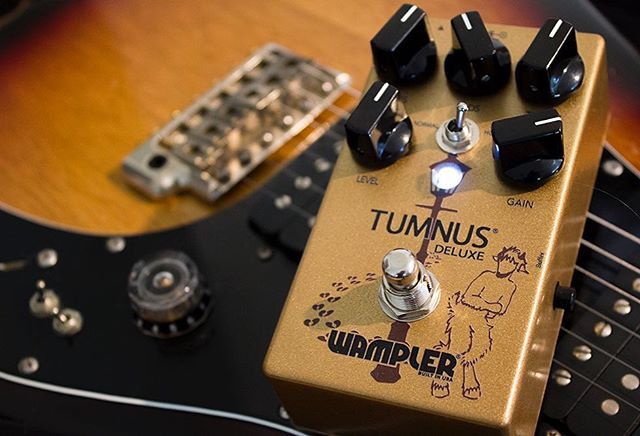 Bass fuzz without the mud: how to keep low end under gainMost fuzz pedals were voiced for guitar and strip your bass of fundamental. Here's how to pick, blend and EQ fuzz so the low end survives.
- Ambient delay and reverb settings that actually suit a solo acousticA fingerstyle player's real-world approach to delay and reverb settings on acoustic guitar, without washing out the wood and string detail that made you plug in.
- Why your picking hand decides whether your pedalboard sounds goodYour pedals react to how you pick, not just how you set the knobs. Here's how picking dynamics shape fuzz, delay and reverb response.
- Why a metalhead should still own one acoustic guitarDaz explains why even a drop-tuned, high-gain player benefits from one decent acoustic, and what actually matters when picking one.
- Why pickup magnet type changes how your valve amp breaks upAlnico and ceramic pickups push a valve amp's front end differently. Here's how magnet type shapes breakup, feel and sag, from a former amp tech.
- Muting technique for bass: why your left hand controls the pocketGood bass tone starts with what you stop ringing, not what you play. Here's how left-hand muting shapes the pocket more than any pedal or EQ setting.
- Fuzz circuit families explained: Muff, Fuzz Face and Tone BenderA jazz player's guide to the three core fuzz circuit families, what separates their voicings, and why the labels on the pedal matter less than the topology inside.
- Why pickup height changes your touch dynamics more than tonePickup height is usually set for volume or tone balance, but it also shapes string pull and touch response — here's what to listen for.
- Clipping types explained: why diodes shape your drive pedal's feelSilicon, germanium, LED or asymmetrical — the clipping diodes in your overdrive decide how it feels under your fingers, not just how it sounds.
- Running an acoustic into ambient pedals without it falling apartWhy ambient pedal chains that sound gorgeous on electric often turn an acoustic-electric to mush, and the signal-chain fixes that actually work.
- Fuzz as a volume-swell effect: using your guitar knob, not the pedalMost fuzz control happens on your guitar, not the pedal face. Here's how rolling the volume knob shapes gain, gate and voicing in real time.
- Pickup output vs string gauge: the real relationship for high gainDaz breaks down how pickup output and string gauge actually interact on high-gain rigs, and why chasing bigger output isn't the fix for a flabby low string.
- How often you really need a professional guitar setupDoug breaks down how often an acoustic actually needs a professional setup, and the signs your guitar is asking for one sooner.
- How acoustic body shape changes the low end you actually hearA bass player's take on why dreadnoughts, jumbos and smaller-bodied acoustics throw the fundamental differently, and what that means when you're picking one.
- Fuzz gating on low output pickups: why single coils behave differentlyWhy single coils choke a fuzz pedal differently to humbuckers, and how output, impedance and pick attack shape that gated, sputtering edge.
- Overdrive vs distortion: what the names actually meanOverdrive and distortion pedals aren't just marketing labels. Here's the plain-English difference and how to pick the right one for your amp.
- Choosing between a dreadnought and an OM: a real-world guideDreadnought or OM? Jez breaks down how body shape actually changes feel, volume and tone, and which one suits your playing style.
- Bass string gauge and pickup output: matching the two properlySwapping to heavier bass strings without checking pickup output leaves you fighting your own tone. Here's how gauge, pole spacing and output actually interact.
- Tap tempo technique: getting your delay actually in timeTap tempo looks simple until you're doing it live. Here's how to actually land your delay in time, from foot placement to subdivision traps.
- Fuzz voicings for jazz chords: which circuits stay articulateMost fuzz turns jazz voicings to mud. Here's which circuits, settings and chord shapes keep extended chords intelligible under gain.
- Acoustic pickup types explained: undersaddle, soundhole and body sensorsUndersaddle, soundhole, and body-sensor pickups all colour an acoustic differently. Here's what each one actually does to your tone, from a builder's bench.
- Your first delay and reverb pedal: settings that actually workA plain-English guide to your first delay and reverb pedal settings, so you get lush ambience instead of a muddy mess on stage or at home.
- Preamp pedals on an acoustic-electric: when they help and when they don't
- Where to put fuzz in your pedal chain (and why it moves)Fuzz pedal order isn't fixed like your other drives. Here's why it moves depending on your rig, and how to find the spot that actually works.
- Flatwound strings on an archtop: why they change more than feelFlatwound strings reshape an archtop's whole voice, not just its feel under the fingers. Here's what actually changes, and why I put them back on every time.
- Right hand travel: why less motion means more controlBig right-hand motion feels expressive but costs you accuracy. Here's why trimming travel in your picking or plucking hand changes your tone and timing.
- Solid top vs laminate: what actually matters for a beginnerSolid top or laminate acoustic? Here's what genuinely changes for a beginner, and what's just marketing you can safely ignore.
- Germanium vs silicon fuzz: which one suits your amp?Germanium and silicon fuzz behave completely differently through a valve amp. Here's how to pick the right one for your rig, not just your ears in a shop.
- Trails and freeze effects: building ambience that doesn't fight your riffTrails and freeze modes can build huge ambient textures on a high-gain rig without turning your chug into soup. Here's how I actually use them.
- Why fresh strings can make your valve amp sound worse, not betterNew strings aren't always the tone fix you think they are. Here's why a fresh set can clash with a cranked valve amp, and how to get both dialled in together.
- How to store an acoustic guitar when you're not playing itWhere and how you store your acoustic between sessions matters more than most beginners realise. Here's what actually protects it, in plain English.
- Neck pickup wiring for archtops: why the tone control does more workOn a hollowbody, the tone control shapes far more than treble roll-off. Here's why archtop players lean on it harder than solid-body players ever do.
- Analog vs digital ambient tones on a high-gain rigAnalog or digital delay and reverb for a high-gain rig? Here's how each behaves under gain, and how to set them so the chug survives.
- String height at the nut: the setup detail most players never checkNut slots cut too high cause tuning and intonation problems that a bridge adjustment can't fix. Here's how to spot it and what to do about it.
- Micing an acoustic at home: a simple two-mic approach that worksA workshop-tested two-mic setup for recording acoustic guitar at home, without a treated room or expensive gear.
- Scale length and drop tunings: why it matters more than you thinkStruggling to keep drop tunings tight and in-tune? Scale length changes string tension more than gauge does. Here's what actually works.
- Stacking two overdrives on bass: how to do it without mudTwo overdrives on a bass board can thicken your tone or bury your pocket. Here's how to stack them so the low end stays intact.
- Humidity and your acoustic: why it cracks in winter, not summerAcoustic guitars crack from dry winter air, not summer heat. Here's why, and how to actually protect the top without overthinking it.
- Recording an acoustic-electric direct: getting a sound that doesn't sound "DI"Piezo pickups sound thin and quacky straight into a DI. Here's how I get a full, room-like acoustic tone without a microphone.
- Neck pickup, bridge pickup, or both: wiring choices for high-gain rigsWhy your pickup selector switch matters more than your amp settings for tight, djenty high-gain tone, and what actually changes between positions.
- Palm mute pressure: why your chug sounds different every takeSame riff, same gear, different chug every time? Palm mute pressure is the variable most high-gain players never actually control.
- Truss rod relief and your acoustic's action: what actually changes across the yearWhy your acoustic plays differently in winter and summer, what truss rod relief actually does, and when to leave it alone.
- Fuzz pedals and your amp's input impedance: why some rigs just won't fuzz rightFuzz sounding thin, gated or wrong on a good amp? The culprit is often input impedance, buffers and what's sitting in front of the fuzz — not the pedal itself.
- Overdrive pedals for bass: why most of them ruin your low endMost overdrive pedals are designed for guitar and eat your fundamental. Here's how bass overdrive actually works, and how to keep the pocket while adding grit.
- String skipping under gain: why fast riffs turn to mush liveYour string-skipping riffs sound tight at home but collapse live. Here's why gain amplifies picking errors and how to actually fix it.
- Acoustic body shapes for low-end: why some acoustics thump and others don'tWhy dreadnoughts, jumbos and small-bodied acoustics respond so differently in the bass, and how to pick the shape that actually suits your playing.
- Bass pickup types explained: P, J, and humbucker tone differencesSplit-coil, single-coil J, or humbucker: how each bass pickup shapes your pocket, and which one actually suits the gig you play.
- Ambient delay and reverb on a high-gain rig without losing the chugHow to run ambient delay and reverb on a high-gain or djent rig without turning your palm mutes into mud.
- Chord-melody practice: why voicing choice matters more than gearChord-melody playing exposes weak voicings fast. Here's why the fix is in your left hand, not your amp or pedalboard.
- Why fuzz sounds wrong until you turn your guitar's volume downFuzz pedals interact with your guitar's volume knob more than any other effect. Here's why that matters, and how to set your amp so fuzz actually behaves.
- Pickup output and string gauge for drop tunings: matching the two properlyHeavier strings and hotter pickups don't automatically work together. Here's how to actually match output and gauge for drop tunings without losing clarity.
- Putting an overdrive before your ambient chain: why gain goes firstWhere you put your overdrive relative to delay and reverb changes everything. Here's why gain almost always wants to go first, and when it doesn't.
- Running an acoustic-electric into pedals: what actually survives the tripReverb and delay behave differently on an acoustic-electric than on your electric board. Here's what actually holds up, and what falls apart, piezo to pedal.
- Running pedals into an amp-sim: why your board doesn't translate straight to DIWhy your pedalboard sounds different through an amp-sim than a real amp, and how to reorder your chain so it actually translates when recording direct.
- Why an electric guitar's setup matters even if you'll never gig itA proper setup changes how an electric guitar feels and sounds, even for players who only ever plug in at home.