Fuzz as a volume-swell effect: using your guitar knob, not the pedal
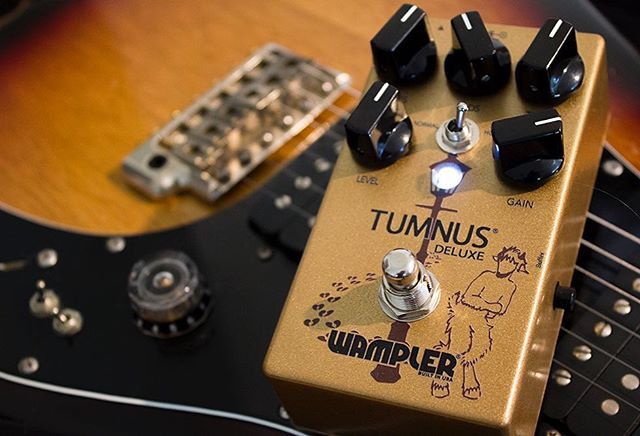
A student brought a fuzz pedal to a lesson last month, convinced it was broken. Turned on, it sounded enormous and a bit shapeless — the kind of fuzz that swallows a chord whole. I asked him to roll his guitar's volume knob back to around seven. Within two notes the thing woke up: pick attack came through, chords separated, and there was suddenly a clean-ish edge sitting underneath all that gain. The pedal hadn't changed. His hand had.
This is the part of fuzz most players skip past, because it isn't on the pedal at all. It's on the guitar. And if you've spent any time with voicings on an archtop, you already understand the principle instinctively — the control is upstream of the effect, not inside it.
Why fuzz responds to volume differently than drive
Overdrive and distortion pedals mostly react to how hard you hit the strings. Fuzz, especially the older transistor-based circuits, reacts to voltage at the input in a more dramatic way. Roll your guitar's volume down and you're not just making the signal quieter — you're changing the operating point of the transistors inside the fuzz. Germanium circuits in particular were never designed around a consistent high-output signal; they were designed around whatever a passive guitar pickup happened to throw at them in 1966, which varied constantly depending on where the player's hand was.
That's why a Fuzz Face or a Tone Bender cleans up in a way a modern high-gain pedal mostly doesn't. Silicon fuzzes, like the circuit in the Dunlop Fuzz Face Mini Silicon (check price), respond to this too, just with a slightly different character — a bit more aggressive at the top of the knob, a bit less "swallowed" as you back it off compared to germanium. If you want to compare circuit families properly before you commit to one, our fuzz pedal buyer's guide covers the practical differences, and we've written specifically about which circuit type suits which amp.
The technique in practice
Set the fuzz the way you'd set it for a lead tone — full volume knob, full gain, whatever voicing you like. Then physically practise rolling the guitar's volume between about four and ten while you play. Not as an afterthought between songs. As the technique itself.
What you're listening for is the point where the fuzz stops gating and starts tracking pick dynamics again. On most pedals that's somewhere between six and eight on a standard volume pot, though passive tone circuits and pickup output both shift that window around. A guitar with hot humbuckers will need more knob travel to get the same cleanup than one with low-output single coils, because the fuzz is reacting to absolute voltage, not a percentage. We've covered the single-coil side of this specifically in fuzz gating on low output pickups, which is worth reading alongside this if your guitar runs humbuckers — the two articles are really describing the same physics from opposite ends.
In practice I ride the knob constantly through a tune. Full fuzz for a held chord that needs to roar, rolled back to maybe five for a single-note line that needs to speak clearly, back up for the next hit. It's exactly the same muscle as adjusting pick pressure for dynamics — you're just doing it with your pinky instead of your attack.
Where this gets interesting on a hollowbody
I'll admit fuzz wasn't part of my vocabulary for years — conservatory training doesn't exactly send you toward a Big Muff. But a hollowbody through a germanium fuzz, run with the volume knob doing the real work, produces something closer to an overdriven horn section than a rock tone. The attack stays soft, the sustain blooms rather than slams, and because archtops are already naturally compressed and mellow, the fuzz has less raw edge to tame in the first place.
If you're trying this on an archtop or any hollowbody, read our piece on taming gate and gain for archtop players first — hollowbodies have their own feedback and gating quirks that compound the volume-knob technique rather than replace it. And if you're building chords through fuzz rather than single lines, which circuits stay articulate under jazz voicings is the companion piece; a fuzz that gates badly on open triads will behave completely differently once you back the volume off.
Honestly, I think most players buy a second fuzz pedal looking for a cleaner voice when the one they own already has it, two knob-turns away. It's a cheaper fix and a better one, because it keeps the dynamic control under your hand instead of baked into a pedal setting you'll forget by the next gig.
The tone knob does its own thing here too
Volume isn't the only control worth riding. Your guitar's tone knob interacts with fuzz input impedance in ways that can either smooth out harshness or make the cleanup effect muddier. Rolling tone down slightly while you roll volume back tends to thicken the cleaned-up signal rather than thinning it, which is useful if your "clean" fuzz tone is sounding a little brittle. I'll usually sit tone around seven and use volume as the primary dynamic control, keeping tone as a fixed colour adjustment I set once per tune rather than something I'm riding note to note. Two moving parts is plenty for most hands mid-song.
This is also where your amp's input stage matters. A fuzz cleaning up nicely into one amp can gate oddly into another because of input impedance mismatches — worth ruling out before you assume the technique isn't working for your rig.
Getting the habit into your hands
Start simple. Pick one tune you know well and play it twice through, once at fixed full volume and once riding the knob deliberately on every phrase. The second pass will sound uneven at first — that's normal, it's a new coordination task, not a tone problem. Give it a week of slow, deliberate practice the way you'd drill any right-hand technique, and the knob control stops being a decision and becomes part of how you phrase.
It won't suit every style. If you're playing wall-of-fuzz drone and want it static, none of this matters and you should ignore me entirely. But for anyone using fuzz as an expressive colour rather than a constant texture, the guitar's volume knob is still the most responsive control on the whole signal chain, and it's been sitting right there the entire time.
Common questions
- Does this work with any fuzz pedal, or only vintage-style circuits? It works to some degree on nearly all fuzz circuits because they're all voltage-sensitive at the input, but germanium-based designs and lower-gain silicon circuits clean up most dramatically. Heavily gated, modern high-gain fuzzes gate less gracefully and may need the volume rolled back further before anything musical happens.
- Should I set my amp clean or already slightly driven for this to work? Start with the amp clean so you can hear exactly what the fuzz and your volume knob are doing without a second gain stage complicating things. Once you know the knob's sweet spot, adding amp breakup on top is a separate, additive decision.
- Does pickup type change where the "clean-up point" sits on the volume knob? Yes, significantly. Higher output pickups need more knob travel to reach the same cleanup because the fuzz reacts to absolute signal voltage, not a percentage of your guitar's maximum output.
— Marc, Jazz & Clean-Tone Contributor, Guitar Gear
Common questions
- Does this work with any fuzz pedal, or only vintage-style circuits?
- It works to some degree on nearly all fuzz circuits because they're all voltage-sensitive at the input, but germanium-based designs and lower-gain silicon circuits clean up most dramatically. Heavily gated, modern high-gain fuzzes gate less gracefully and may need the volume rolled back further before anything musical happens.
- Should I set my amp clean or already slightly driven for this to work?
- Start with the amp clean so you can hear exactly what the fuzz and your volume knob are doing without a second gain stage complicating things. Once you know the knob's sweet spot, adding amp breakup on top is a separate, additive decision.
- Does pickup type change where the clean-up point sits on the volume knob?
- Yes, significantly. Higher output pickups need more knob travel to reach the same cleanup because the fuzz reacts to absolute signal voltage, not a percentage of your guitar's maximum output.
I'm Marc. My background is jazz — conservatory training, years of session work, and a long-standing love affair with hollowbody archtops and a clean, articulate tone. I think about gear the way I think about voicings: every component shifts the colour of the whole. I'm drawn to instruments that reward a light touch and reveal what your hands are actually doing. You won't find hyperbole in my reviews; you'll find careful listening, and an honest account of how a guitar or amp behaves when you ask something musical of it.
Conservatory-trained jazz guitarist and session musician
More from Marc
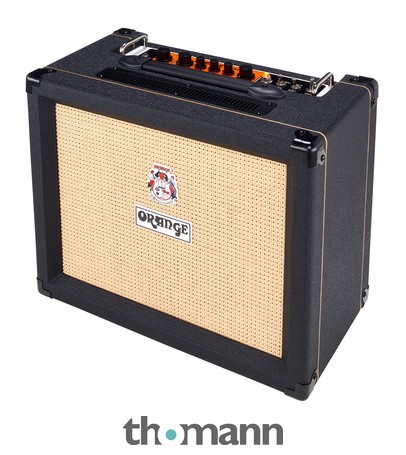 Miking a cab vs. amp-sim: getting a clean DI tone that sits rightWhy clean archtop and jazz tones often translate better through amp-sims than high-gain does, and how to set levels so your DI tone sits in a mix properly.
- Comping technique: why your left hand shapes your tone more than gearYour comping hand controls voicing clarity, dynamics and tone more than any pedal or amp setting. Here's how I actually practise it.
- Fuzz circuit families explained: Muff, Fuzz Face and Tone BenderA jazz player's guide to the three core fuzz circuit families, what separates their voicings, and why the labels on the pedal matter less than the topology inside.
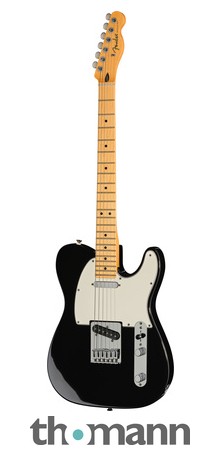 Why pickup height changes your touch dynamics more than tonePickup height is usually set for volume or tone balance, but it also shapes string pull and touch response — here's what to listen for.
- Fuzz gating on low output pickups: why single coils behave differentlyWhy single coils choke a fuzz pedal differently to humbuckers, and how output, impedance and pick attack shape that gated, sputtering edge.
- Fuzz voicings for jazz chords: which circuits stay articulateMost fuzz turns jazz voicings to mud. Here's which circuits, settings and chord shapes keep extended chords intelligible under gain.