Bass through a guitar amp: why it never quite works
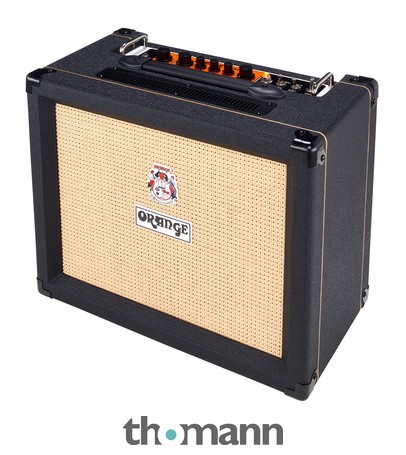
Had a student message me last month, panicked, because he'd borrowed his mate's practice amp for a bedroom session and the thing started crackling the second he dug into his E string. Nothing dramatic, no smoke, just that dry, farty breakup that sounds like the speaker's trying to tell you something. It was. Bass through a guitar amp is one of those things that looks fine on paper, a jack's a jack, and falls apart the moment you actually play through it.
I get asked this a lot, usually from guitarists who've picked up bass duties for a home demo and don't see why they need a second rig. Fair question. The honest answer is that a guitar amp and a bass amp are solving completely different problems, even though they look like cousins sitting side by side in a shop.
It's about the speaker, not the amp
Everyone assumes the issue is wattage. It's not, not really. The real bottleneck is the speaker itself. A typical guitar combo runs a 10" or 12" speaker voiced to emphasise midrange, because that's where a guitar lives, and built with an excursion range that's modest by design. Bass notes, especially down around 41Hz for a low E, need the speaker cone to move a lot further and a lot more slowly to reproduce that fundamental properly. Ask a guitar speaker to do that and the voice coil starts hitting the limit of its travel, the cone flaps around outside its linear range, and you get that broken, flubby distortion that isn't the good kind.
Bass speakers are built differently from the ground up, bigger magnets usually, stiffer suspension, cabinets voiced and ported (or sealed) specifically to move air at low frequencies without losing control. It's the same reason you wouldn't put a subwoofer driver in a bookshelf speaker and expect clean highs. Different job, different build.
The wattage trap
This is the bit that catches people out. A 40-watt bass amp and a 40-watt guitar amp are not doing the same amount of work. Low frequencies need more power to reproduce at the same perceived volume as midrange ones, it's just how human hearing and amplifier output work together. So even if the numbers match, the guitar amp is going to be straining long before the bass amp would. We've actually covered why a bass amp's wattage number lies to you in more detail, and it's worth a read if you're shopping on spec sheets alone, because the number on the box tells you almost nothing about how an amp will actually handle low B's and E's.
I'll be blunt here, and this is probably my one unpopular opinion in this piece: I think too many beginner bassists get talked into "it'll do for now" solutions by well-meaning guitarist mates, and it slows their ear development more than it helps their wallet. You can't learn to hear your own pocket properly if the amp is smearing your fundamental into mud every time you play with any conviction.
What actually happens electrically
There's a preamp-stage issue too, not just the speaker. Guitar amp preamps are voiced and gain-staged expecting a guitar pickup's output and frequency range. Feed a bass signal in, especially an active bass or one with hot pickups, and you can overload the input stage well before the power amp or speaker even get involved. Some guitar amps will clip ungracefully, a kind of harsh, grainy distortion that has none of the warmth you'd want from an overdriven valve stage. It's not musical breakup, it's circuit complaint.
Valve amps cop this worse than solid-state or modelling ones in my experience, because the output transformer in a tube amp is tuned to a guitar speaker's impedance curve and frequency response. Push it outside that and you're asking a transformer to do something it wasn't wound for. Solid-state and modelling amps are generally a bit more forgiving here since there's no transformer to worry about, though the speaker limitation still applies regardless of what's driving it. If you're curious about the broader valve-versus-modelling question beyond just bass, it's worth digging into how different amp types actually reproduce the fundamental, something I find myself geeking out on more than most players care to.
When it sort of works (briefly)
I won't pretend it's a hard no in every circumstance. Low volume, direct recording through an amp-sim or modeller, or just noodling with flatwounds and the tone rolled back, you can get away with a guitar amp for a short stretch without destroying anything. Some modelling amps, the kind built to cover a wide tonal range, handle it more gracefully than a dedicated valve combo would, simply because they're not relying on a single speaker and transformer pairing tuned for one instrument. If you're shopping for a flexible practice setup and bass occasionally comes into the picture, it's worth looking at what's covered in our guide to the best practice amps for home and learning, since a few of those modelling options are more forgiving across instruments than a classic valve combo would ever be.
But that's a stopgap, not a solution. For anything beyond a quiet practice session, you want a cab built to move air the way bass actually needs it moved.
The pocket still needs the right tool
Here's the thing that matters most to me, more than the technical side. The pocket, that feeling of a note landing exactly where it should and just sitting there, depends on the fundamental coming through clean and full. If your amp's choking the low end before it even gets to the room, you're not hearing your own time properly. You adjust unconsciously, you push harder than you need to, and the groove suffers for it. I've sat in session rooms where a bassist was fighting an amp all night without realising that's what was happening, they just thought they were having an off day.
Get a proper bass rig if you're playing seriously, even a small one. Your ears, and whoever's listening to the low end, will thank you.
Common questions
Common questions
- Will playing bass through a guitar amp actually damage it?
- It can, especially at higher volumes. The speaker's voice coil can overheat or hit its mechanical limit from excessive excursion, and on valve amps the output transformer is being pushed outside its designed impedance and frequency range. Short, quiet sessions are low risk. Gigging or practising loud through one regularly is asking for trouble.
- Is a bass combo just a guitar combo with a bigger speaker?
- No. The speaker is voiced differently, the cabinet is often built with different porting or bracing to handle low-frequency air movement, and the preamp and power sections are gain-staged for a bass signal's higher output and different frequency content. It's a different design brief front to back, not just a bigger driver dropped into the same box.
- Can a modelling amp handle bass better than a valve combo?
- Generally yes, a bit. Without an output transformer to worry about and often with a wider frequency response built in, modelling amps tend to be more forgiving for occasional bass use. The speaker limitation still applies though, so it's a better stopgap, not a permanent fix.
- What's the minimum I should look for in a proper bass amp?
- A speaker rated for bass frequencies, usually 10 or 12 inch and built with bass-appropriate excursion and cabinet design, plus a preamp voiced for a bass's output and low-end content. Even a small, affordable combo built specifically for bass will outperform a guitar amp for this purpose.
Sheildon here. I'm a bass player, funk and soul mostly, so for me it always comes back to one thing: the pocket. I've spent years in session rooms learning that the best low-end isn't the loudest — it's the note that lands in exactly the right place and just sits there, fat and easy. I get geeky about pickups, string tension and how an amp reproduces the fundamental, but I never lose the groove. Give me something that makes me want to lock in with the kick drum and I'm a happy man.
Funk and soul session bassist; groove and low-end specialist
More from Sheildon
- Why a bass amp's wattage number lies to youWatts on a bass amp don't mean what they mean on a guitar amp. Here's why headroom, speaker size and valve vs solid-state design matter more than the number.
 Bass fuzz without the mud: how to keep low end under gainMost fuzz pedals were voiced for guitar and strip your bass of fundamental. Here's how to pick, blend and EQ fuzz so the low end survives.
- Muting technique for bass: why your left hand controls the pocketGood bass tone starts with what you stop ringing, not what you play. Here's how left-hand muting shapes the pocket more than any pedal or EQ setting.
- How acoustic body shape changes the low end you actually hearA bass player's take on why dreadnoughts, jumbos and smaller-bodied acoustics throw the fundamental differently, and what that means when you're picking one.
- Bass string gauge and pickup output: matching the two properlySwapping to heavier bass strings without checking pickup output leaves you fighting your own tone. Here's how gauge, pole spacing and output actually interact.
- Stacking two overdrives on bass: how to do it without mudTwo overdrives on a bass board can thicken your tone or bury your pocket. Here's how to stack them so the low end stays intact.