Miking a cab vs. amp-sim: getting a clean DI tone that sits right
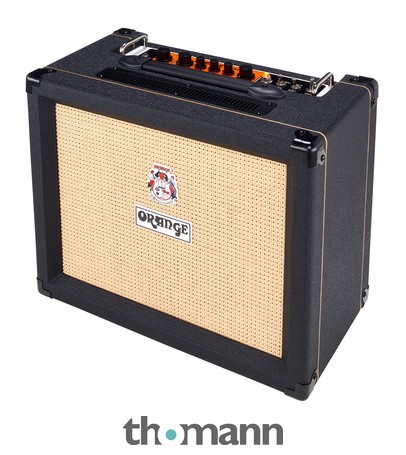
A student of mine recorded four takes of a ii-V-I comping exercise last month, all through the same amp-sim plugin, and asked why one sounded "boxed in" while the other three sounded open. The answer wasn't the plugin. It was gain staging at the interface, before a single modelled capacitor got involved. This is the thing nobody tells you about clean tone in the box: the sim is rarely the problem. The signal you feed it usually is.
I've spent a fair chunk of the last decade tracking archtops direct for sessions where hauling a Twin up three flights of stairs in a Manhattan walk-up simply isn't happening. Clean tone is unforgiving in a way that high-gain isn't. Distortion masks timing errors and inconsistent pick attack. Clean doesn't. Neither does a bad DI chain. If you want a home-recorded clean or jazz tone that actually sits in a mix rather than sounding like a guitar plugged straight into a laptop, the fix is mostly about where and how you capture the signal, not which amp-sim brand you've bought into.
Why clean tone exposes the DI chain faster than gain does
With distortion, clipping compresses the dynamic range before the signal even reaches your interface's preamp. Clean signal has none of that forgiveness. Every bit of string noise, every fret buzz, every inconsistency in your pick attack is sitting right there in the waveform. That's precisely why comping technique matters so much for this tone — I've written before about how your left hand shapes your tone more than gear, and it's doubly true once you're recording direct. A sim can't invent sustain or clarity your hands didn't put into the note.
It also means gain staging at input is more critical for clean tone than for high-gain rigs. If you're clipping the interface's analogue-to-digital converter even slightly, clean tone reveals it as a harsh, glassy edge that no amount of cabinet simulation will fix afterward. Aim your interface's input meter so peaks sit around -12dB to -8dB, leaving headroom. I track archtops quieter than most rock players track their Teles, because articulate jazz voicings have a wider dynamic range between a soft comped chord and an accented stab.
Amp-sim or reamped cab: which actually suits clean better
Here's my mildly contrarian take: for clean and semi-clean tones, a good amp-sim plugin is often easier to get right than a real miked cab, and I say that as someone who owns three tube amps. A miked cabinet introduces room reflections, mic placement variables, and proximity effect that take real time to dial in. An amp-sim's cabinet IR is fixed and repeatable. For gigging blues-rock tones with amp-in-the-room feel, Jez would tell you nothing replaces air moving a speaker cone. For a clean jazz comping track sitting under a vocal, I'd rather have the control.
That said, sims built around high-headroom clean amps — the Fender-voiced and boutique-clean models most plugins include — tend to track archtops and semi-hollows more faithfully than their high-gain counterparts track a metal rig. There's less for the sim to get wrong when there's no saturation stage doing heavy lifting. If you're shopping for a hardware modeller that also functions as a practice tool, the Yamaha THR10II (check price) and Positive Grid Spark 40 (check price) both handle clean voicings with more nuance than their marketing suggests, and either will reamp into a DAW later if you capture a dry DI alongside the modelled tone.
Capture both signals, always
This is the one habit that's saved me more sessions than any plugin purchase. Record a clean, unprocessed DI signal on a separate track at the same time you record your amp-sim or pedal chain. Most audio interfaces and a lot of modelling hardware support this natively — a dry output alongside the processed one. If the sim tone doesn't sit right in the mix later, or the client wants a different amp model entirely, you reamp the dry signal rather than re-tracking the performance.
For session work this is close to mandatory. I've had mix engineers in different states ask for a reamp three days after a session wrapped, and having the dry DI meant a ten-minute fix rather than booking the player again. It costs nothing, uses negligible drive space, and the only reason not to do it is forgetting.
EQ and compression: less than you think
Clean archtop tone recorded direct rarely needs heavy EQ if the input gain and pickup height were right in the first place. I'd rather fix a boomy low-mid resonance by adjusting pickup height or picking closer to the bridge than by scooping 400Hz after the fact — the tonal colour changes differently depending on where you solve it. If you haven't dialled in pickup height on an archtop before, it changes touch response more than most players expect, which matters even more once a microphone or DI is capturing every nuance of your attack.
Compression should be gentle. A ratio of 2:1 to 3:1 with a slow-ish attack preserves the pick transient that gives jazz comping its percussive edge, while still taming the odd loud chord. Crush it harder than that and you lose the thing that made the part interesting to play in the first place — the dynamics between a whispered shell voicing and an accented stab on beat four.
Picking the right amp model for the part
Not every clean amp-sim model is built for the same job. A brighter, scooped clean voicing that flatters strummed acoustic-electric parts will often sound thin and clattery under a hollowbody's natural low-mid warmth. I tend to start with the sim's flattest, least-coloured clean setting and add character deliberately, rather than starting from a preset built for a different instrument entirely. This is the same principle that applies when running pedals into an amp-sim — what worked on your pedalboard through a real amp rarely translates one-to-one, because the sim's input stage behaves differently to a valve front end.
If you're building a small home setup around this workflow and want a hardware option with decent onboard clean modelling rather than relying purely on plugins, it's worth comparing a few in our best practice amps guide before committing — some handle headroom and clean articulation far better than their price suggests, and others fall apart the moment you play anything more demanding than a basic triad.
None of this is complicated once you've done it a few times. It's mostly discipline: gain staged conservatively, a dry DI always running in the background, and restraint with processing until you know exactly what problem you're solving. The habits transfer whether you're tracking a session in a proper studio or in a spare room with a laptop and an audio interface on the desk.
Common questions
- Do I need an expensive audio interface to get a good clean DI tone?
- Not really. The preamp quality matters less than correct gain staging for clean tone. A modest interface used properly, with peaks around -12dB to -8dB, will outperform an expensive one that's clipping on input.
- Should I record through an amp-sim or just capture a dry signal and reamp later?
- Both, if you can. Record the dry DI on its own track regardless of whether you're monitoring through a sim, so you retain the option to reamp with a different amp model later without re-tracking the part.
- Why does my archtop sound thin through amp-sim presets that sound fine on a Stratocaster?
- Most presets are voiced around single-coil or humbucker solid-body tone. Start from the sim's flattest clean setting and build the amp's character in deliberately, rather than relying on a preset designed for a different pickup type and body construction.
I'm Marc. My background is jazz — conservatory training, years of session work, and a long-standing love affair with hollowbody archtops and a clean, articulate tone. I think about gear the way I think about voicings: every component shifts the colour of the whole. I'm drawn to instruments that reward a light touch and reveal what your hands are actually doing. You won't find hyperbole in my reviews; you'll find careful listening, and an honest account of how a guitar or amp behaves when you ask something musical of it.
Conservatory-trained jazz guitarist and session musician
More from Marc
- Comping technique: why your left hand shapes your tone more than gearYour comping hand controls voicing clarity, dynamics and tone more than any pedal or amp setting. Here's how I actually practise it.
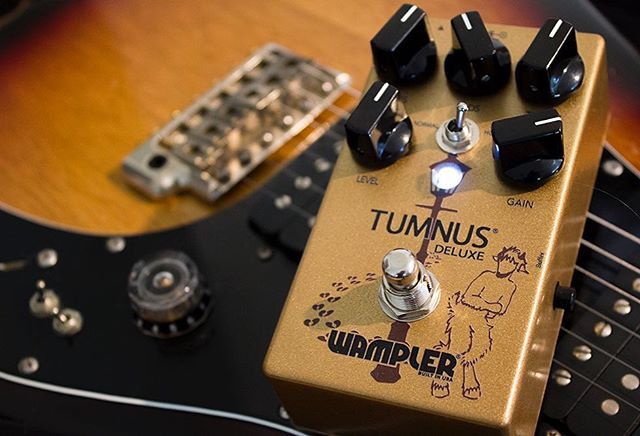 Fuzz circuit families explained: Muff, Fuzz Face and Tone BenderA jazz player's guide to the three core fuzz circuit families, what separates their voicings, and why the labels on the pedal matter less than the topology inside.
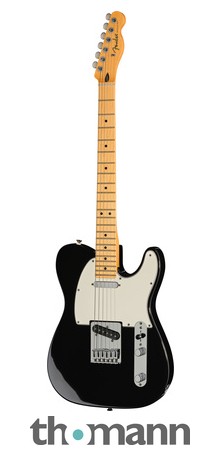 Why pickup height changes your touch dynamics more than tonePickup height is usually set for volume or tone balance, but it also shapes string pull and touch response — here's what to listen for.
- Fuzz as a volume-swell effect: using your guitar knob, not the pedalMost fuzz control happens on your guitar, not the pedal face. Here's how rolling the volume knob shapes gain, gate and voicing in real time.
- Fuzz gating on low output pickups: why single coils behave differentlyWhy single coils choke a fuzz pedal differently to humbuckers, and how output, impedance and pick attack shape that gated, sputtering edge.
- Fuzz voicings for jazz chords: which circuits stay articulateMost fuzz turns jazz voicings to mud. Here's which circuits, settings and chord shapes keep extended chords intelligible under gain.