Why a bass amp's wattage number lies to you
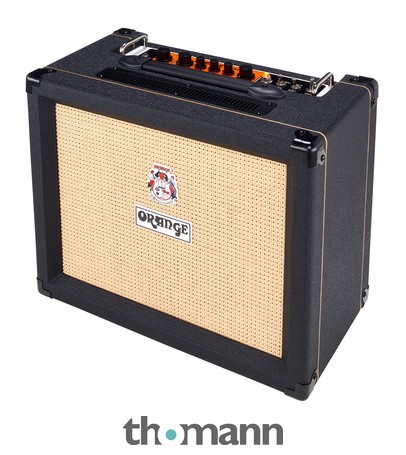
I had a guitarist mate turn up to a jam a while back with a 15-watt valve combo and genuinely ask me why my 300-watt bass rig wasn't "four times louder" than his amp. Fair question, honestly, and one I get a lot. The short version is that watts on a bass amp and watts on a guitar amp aren't really the same currency, and if you're shopping on the number alone you'll end up either underpowered or carrying a rig you didn't need.
I've spent a fair chunk of my session career chasing the right amount of clean headroom rather than the right amount of volume, and those two things get confused constantly. Let me walk through why the wattage spec on a bass amp tells you less than people think.
Why bass needs more watts for the same perceived loudness
A fundamental low E on a four-string bass sits around 41Hz. Reproducing that frequency cleanly takes a lot more raw power than a guitar's lowest fundamental, which sits almost an octave and a half higher. Low frequencies carry more energy to move the same amount of air at the same perceived volume, so a bass amp needs serious headroom just to keep that note from collapsing when you dig in.
That's why a 300-watt bass combo doesn't feel like it's shaming a 30-watt guitar valve amp onstage. The bass watts are doing structural work, holding the fundamental together, not just adding raw volume. Guitar amps, especially valve ones, get their perceived loudness from harmonic content and speaker breakup as much as sheer power. Bass amps mostly don't get that luxury. Mud and farty breakup on a low B string is not a usable tone, it's a repair bill waiting to happen on your speaker.
Solid-state, valve, and the headroom question
This is where it gets genuinely interesting for low end players. Valve power amps compress gracefully as you push them, which is gorgeous for a guitar chasing singing sustain, but for bass that early compression eats your attack transient, the actual thump of the string being plucked. I want the note to land and just sit, fat and even, not swell in after the fact.
Solid-state and modern Class D bass amps keep a much flatter response right up until they clip hard, which is why most working bass players I know (myself included) run solid-state or hybrid designs for anything louder than bedroom practice. That's not a knock on valve tone generally. For guitar, a valve amp breaking up musically is the whole point, which is exactly what we talk about across the guitar side of the site, see the best tube amps under $1000 if that's your world. For bass, I want the headroom, not the breakup, until I deliberately want grit, and that's a different conversation entirely.
Speaker size and cabinet matter as much as the watt number
I'll go out on a small limb here: I reckon most players obsess over amp wattage and completely ignore cabinet design, and that's backwards. A 10-inch speaker moves air fast and gives you punch and note definition, a 15-inch speaker moves more air per cycle and gives you weight and sub-frequency presence, but it's typically slower off the mark. Most pro rigs I've used or owned land on a 2x10 or a 4x10 configuration for exactly that reason, you get the punch of a smaller cone with enough total surface area to still move real air.
A 300-watt head through a cheap, undersized cabinet will sound thinner and more stressed than a well-matched 150-watt head through a cabinet that's built properly. The watt number on the amp is only half the story. Cabinet efficiency, measured in decibels per watt, is the bit nobody puts on the box in big friendly letters, and it's arguably more important than the headline wattage.
Matching wattage to the room, not the stage fantasy
For practice at home, something in the 20 to 30-watt solid-state range through a single 8 or 10-inch speaker is genuinely plenty, and a lot of beginner guitarists reach for similarly modest combos for the same reason, the logic carries across, have a look at the best practice amps for home and learning for how that thinking plays out on the guitar side. For small pub gigs without a PA support, I'd want 150 watts minimum into a 1x12 or 2x10, and for anything with a drummer who hits hard and no bass mic through the desk, 300 to 500 watts into a 2x10 or 4x10 is a sensible baseline, not overkill.
The AES power handling rating on the speaker itself is worth checking against your amp's output too, that's a published industry spec, not a marketing number, and pairing an underrated speaker with an oversized head is a classic way to blow a voice coil on a loud night.
Where active EQ and preamp voicing come into it
None of this exists in isolation from your pickups and strings either. A passive P-bass with flatwounds asks different things of an amp than an active J-bass with fresh rounds and a hot output, and I've written elsewhere about matching string gauge and pickup output properly, which feeds directly into how hard you're driving the front end of whatever amp you land on. A hot active pickup can clip a preamp stage at a much lower gain setting than you'd expect, which eats into your usable headroom before the power amp even gets involved.
The practical test I use with students and session clients alike, forget the spec sheet, plug in at the volume you'll actually play at and listen to whether the low E stays solid or starts to flub out. If it flubs, you need more headroom, not more volume. Those are different problems and only one of them gets solved by a bigger watt number.
Next time you're amp shopping, ask the shop for a direct A/B at gig volume rather than trusting the spec sheet alone. Your ears, and your bandmates, will thank you.
Common questions
- Is a 100-watt bass amp loud enough to gig with?
- For small rooms without PA support, 100 watts into a decent 1x12 or 2x10 can work, especially with an efficient cabinet. Once a drummer is hitting hard and there's no bass support through the house PA, I'd want closer to 300 watts for real headroom.
- Why does my bass amp sound quieter than my mate's guitar amp of the same wattage?
- Low frequencies need more raw power to move the same amount of air as higher guitar frequencies, so the two wattage numbers aren't directly comparable. It's a difference in what the power is being asked to do, not a fault in either amp.
- Should I buy a valve bass amp for the tone?
- Plenty of great bass tones use valve preamp stages for warmth, but pure valve power amps are rare in modern bass rigs because they compress the attack transient earlier than solid-state or Class D designs. Hybrid amps with a valve preamp and solid-state power section are a common, sensible middle ground.
- Does cabinet size matter more than amp wattage?
- They matter together. An undersized or inefficient cabinet will make even a high-wattage amp sound thin and stressed, while a well-built, efficient cabinet lets a more modest amp perform well above its number on the box.
Sheildon here. I'm a bass player, funk and soul mostly, so for me it always comes back to one thing: the pocket. I've spent years in session rooms learning that the best low-end isn't the loudest — it's the note that lands in exactly the right place and just sits there, fat and easy. I get geeky about pickups, string tension and how an amp reproduces the fundamental, but I never lose the groove. Give me something that makes me want to lock in with the kick drum and I'm a happy man.
Funk and soul session bassist; groove and low-end specialist
More from Sheildon
- Bass through a guitar amp: why it never quite worksPlugging bass into a guitar amp seems harmless until the speaker starts farting out. Here's the actual physics of why it struggles, and what to do about it.
 Bass fuzz without the mud: how to keep low end under gainMost fuzz pedals were voiced for guitar and strip your bass of fundamental. Here's how to pick, blend and EQ fuzz so the low end survives.
- Muting technique for bass: why your left hand controls the pocketGood bass tone starts with what you stop ringing, not what you play. Here's how left-hand muting shapes the pocket more than any pedal or EQ setting.
- How acoustic body shape changes the low end you actually hearA bass player's take on why dreadnoughts, jumbos and smaller-bodied acoustics throw the fundamental differently, and what that means when you're picking one.
- Bass string gauge and pickup output: matching the two properlySwapping to heavier bass strings without checking pickup output leaves you fighting your own tone. Here's how gauge, pole spacing and output actually interact.
- Stacking two overdrives on bass: how to do it without mudTwo overdrives on a bass board can thicken your tone or bury your pocket. Here's how to stack them so the low end stays intact.