Why fresh strings can make your valve amp sound worse, not better
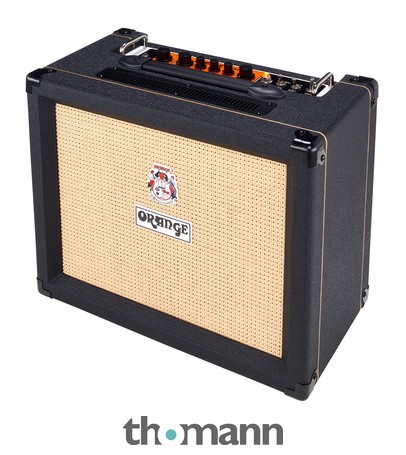
Had a bloke in the shop years back, lovely old Telecaster, brand new set of nines on it, plugged into a cranked Bassman clone and looking utterly baffled as to why it sounded thin and clattery. He'd changed the strings that morning specifically to fix a dull tone. Made it worse. This happens more than you'd think, and it's one of those things nobody tells you when you're starting out: a fresh set of strings and a valve amp on the edge of breakup don't always get on.
Old strings and cranked valve amps have a funny relationship. I've been banging on about this for years, half as a joke, half dead serious, and I stand by it: old strings can make a cranked valve amp sound better, not worse. That's a separate piece worth reading if you haven't. This one's about the flip side — what happens the moment you put new ones on, and why your amp settings need to move with them.
What's actually changing when you restring
Fresh strings are brighter and louder, full stop. More harmonic content, more top end, more output hitting your front end. A valve amp's front end is not a neutral device — it's reactive. Push it harder with a hotter, brighter signal and you get more grind, more compression, more edge. On a clean amp that's mostly pleasant. On something already dialled in right at the edge of breakup, like an Orange Rocker 15 or a Marshall DSL40CR with the gain sitting just under the fizz line, a fresh set of strings can tip the whole thing over into harsh.
Old strings lose high-frequency content first. The winding starts to dull, oils and dead skin get worked into the wrap, and the string's fundamental output drops a touch too. What you're left with is a rounder, more compressed signal hitting the amp — less top end for the power section to chew on, less edge for a cranked EL34 pair to turn into fizz. That's precisely why a lot of us in blues and classic rock circles will happily gig on a two-week-old set. It's not laziness. It's tone shaping.
The mismatch in practice
Here's the bit that catches people out. You restring for a gig because it feels like the responsible thing to do — fair enough, nobody wants a string snapping mid-solo — and then you get to soundcheck and the amp that sounded perfect last week now sounds spiky and thin, especially up around the third and fourth string where a lot of rhythm work happens. You start reaching for the tone knob or rolling back the treble on the amp, when really the fix should've happened at the guitar and the amp gain structure together.
If you've just restrung and things feel off, don't just chase it with EQ. Try this order: back the amp's gain off slightly first, let the strings' extra output do some of the work it wants to do, then reassess. I'd rather trim gain by 10% and keep the amp's natural voicing intact than mash the tone stack around trying to force old-string behaviour out of new strings. That's papering over the cracks rather than fixing the actual mismatch.
Setup details that compound the problem
Restringing is also when most players unknowingly reset other things without realising it. Action creeps slightly as string tension resettles over the first day or two. Intonation can drift, particularly if you've jumped gauges even by half a size. And on a guitar that hasn't had a proper setup in a while, a fresh set of strings will expose sins that old, dead strings were quietly masking — dull strings hide sloppy intonation and a slightly high action because everything's already a bit soft and forgiving. New strings don't forgive anything.
Worth checking your intonation properly after any string change, not just eyeballing the 12th fret. We've got a guide on why the 12th fret check isn't enough that applies just as well conceptually to six-string setups, even though it's written from the bass side. And if the action's crept up along with the brightness, it's worth revisiting string height at the nut too, since a slightly-too-high nut slot will exaggerate exactly the harsh, clattery thing you're already fighting with fresh strings on a hot amp.
Matching strings and amp on purpose
None of this means don't change your strings. Dead strings eventually stop being characterful and just become dead — no sustain, no clarity, notes fretting out sooner than they should. What I'm getting at is that string age is a tone control you already own, and most players never touch it on purpose. If you're running something with a lot of natural sag and breakup on tap, a Fender Blues Junior IV or a Peavey Classic 30 pushed into its sweet spot, budget for the fact that the amp will behave differently on day one of a string change versus day ten. Some players keep a slightly older, "broken in" guitar specifically for stage use and a fresher one for recording where extra top end reads as clarity rather than harshness.
Coated strings behave a bit differently here too — they tend to retain more of their fresh brightness for longer, which is great for consistency but means you don't get that natural mellowing as quickly. If you're chasing that old-string warmth on a cranked amp, uncoated sets will get you there faster, for better or worse.
A practical approach that actually works
My honest advice, after two decades of doing this both on stage and on the bench: restring a few days before anything important, not the morning of. Let the strings settle, let your ear adjust, and re-check your amp's gain and EQ once they've had a chance to stretch out and lose that just-out-of-the-packet edge. If you're recording, that gap matters even more, because a DI'd or mic'd cranked valve amp will show every bit of extra top end fresh strings bring, magnified.
And if your amp's clean channel is the reference point for all this — where you should be setting gain before you even think about adding drive — it's worth getting that baseline right first. We cover that properly in setting your amp clean before you add an overdrive. Same logic applies here: sort your baseline tone with a known, settled string age before you go chasing ghosts in the gain stage.
Right then, that's the short version. New strings aren't a fix-all, and on a valve amp riding the edge of breakup, they can genuinely work against you for a few days. Give it time, adjust the gain to suit, and don't be afraid to gig on strings that are a week or two old if the tone's right. Fresh isn't always better. It's just different, and different needs managing.
Common questions
- How long after restringing should I wait before a gig or recording session?
- A few days if you can manage it. That gives the strings time to stretch, settle, and lose some of that just-installed brightness that can clash with a cranked valve front end. If you must restring same-day, stretch them thoroughly by hand and expect to back off your amp's gain slightly.
- Does this mismatch happen with solid-state or modelling amps too?
- Less so. Solid-state and modelling amps generally have a more linear, less reactive front end, so they don't respond to input level changes the way a valve amp does. Something like a Boss Katana-50 MkII or a Yamaha THR10II will still sound a touch brighter with new strings, but you won't get the same breakup-threshold shift.
- Should I change my amp settings every time I restring?
- Not drastically, but it's worth a quick listen and a small gain trim if things feel harsher than usual. Treat string age as part of your overall tone chain, not a fixed constant.
- Is it better to use coated or uncoated strings for a cranked valve amp tone?
- Uncoated strings tend to mellow faster, which suits players chasing that broken-in, slightly warmer tone on a hot amp. Coated strings hold their brightness longer, which is great for consistency but means less of that natural settling-in effect.
Right then — I'm Jez, and I've spent the best part of 25 years chasing the same thing: a cranked British valve amp on the edge of breakup. Cut my teeth in smoky blues clubs around the North West, then spent a decade on the bench fixing other people's amps, which taught me more about tone than any pedal ever did. I'm a sucker for an EL34 power section and a bit of natural sag. I'll always tell you straight whether an amp's worth the money or whether you're paying for a badge.
Gigging blues-rock guitarist (25+ yrs) and former valve-amp tech
More from Jez
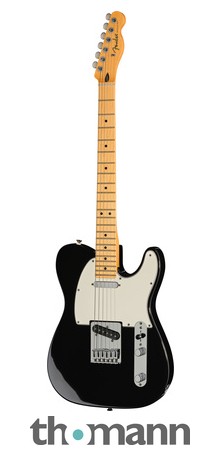 Why pickup magnet type changes how your valve amp breaks upAlnico and ceramic pickups push a valve amp's front end differently. Here's how magnet type shapes breakup, feel and sag, from a former amp tech.
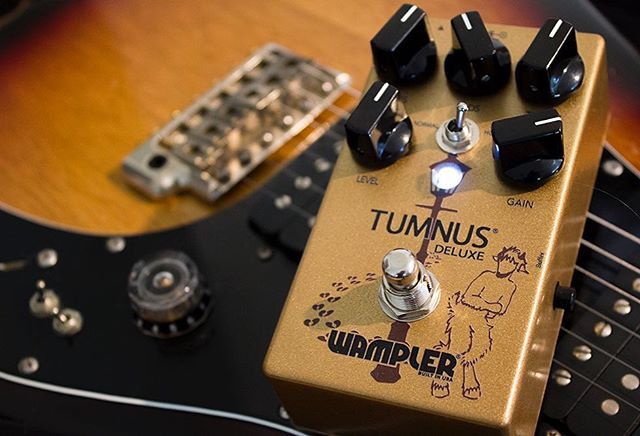 Clipping types explained: why diodes shape your drive pedal's feelSilicon, germanium, LED or asymmetrical — the clipping diodes in your overdrive decide how it feels under your fingers, not just how it sounds.
- Choosing between a dreadnought and an OM: a real-world guideDreadnought or OM? Jez breaks down how body shape actually changes feel, volume and tone, and which one suits your playing style.
- Where to put fuzz in your pedal chain (and why it moves)Fuzz pedal order isn't fixed like your other drives. Here's why it moves depending on your rig, and how to find the spot that actually works.
- Germanium vs silicon fuzz: which one suits your amp?Germanium and silicon fuzz behave completely differently through a valve amp. Here's how to pick the right one for your rig, not just your ears in a shop.
- Humidity and your acoustic: why it cracks in winter, not summerAcoustic guitars crack from dry winter air, not summer heat. Here's why, and how to actually protect the top without overthinking it.