Comping technique: why your left hand shapes your tone more than gear
Last Tuesday at a trio gig in the back room of a bar near Ludlow Street, I watched the pianist lean over between tunes and ask the bassist, not me, "what voicings is Marc using on the bridge?" That's a question about my left hand, not my amp. Nobody in that room cared what I had the volume knob set to. They cared whether the inner voice moved cleanly from the sixth to the b9 without smearing. That's comping technique, and it matters more than most of the gear decisions we agonise over.
I've been playing archtops through small clean amps for about twenty years now, and the single biggest lesson from session work is this: your comping hand determines whether a chord reads as music or mud, and no amp, pickup or pedal fixes a sloppy left hand. Gear shapes colour. Technique shapes clarity. People conflate the two constantly.
What comping technique actually means
Comping is accompaniment — the chords and rhythmic figures you play behind a soloist or vocalist. It sounds simple until you try to do it well for four choruses without getting in anyone's way. Good comping requires three things working together: voicing choice, rhythmic placement, and touch. Most players obsess over the first and ignore the other two, which is backwards. I'd argue touch is the harder skill and the one that separates competent comping from comping that actually serves the music.
Voicing choice is a composition decision. Touch is a motor-control decision, and it's the one your hands either have or don't, regardless of how good your ears are.
Finger independence, not finger strength
A lot of players think comping clarity comes from pressing harder. It doesn't. It comes from each finger releasing and re-gripping independently, so a four-note voicing doesn't arrive as one clump of sound. When I teach this to students or younger session players, I have them practise rootless voicings — the Bill Evans-derived shapes most jazz players learn early — at a near-silent dynamic, focusing entirely on whether all four notes sound simultaneously or whether one finger is lagging by a few milliseconds. You can't hear that lag at a gig volume through a cranked amp. You absolutely can hear it on a quiet archtop through a small clean combo, which is one reason I still practise through something unforgiving rather than something flattering.
This is the same philosophy behind an article we ran on practice amps for home and learning — a forgiving, loud amp lets you hide from your own hands. A clean, honest one doesn't.
Dynamics live in the fingers, not the volume knob
The biggest difference between an amateur comper and a professional one, in my experience, is dynamic range within a single chorus. A good comper might play a voicing at near-whisper volume behind a soft vocal phrase, then land a sharper stab on beat four to punctuate a soloist's idea, all without touching a volume control. That dynamic range comes entirely from how much finger you put into the attack and how quickly you release pressure afterward. If you're relying on your guitar's volume knob or an amp's gain structure to create dynamic contrast, you're solving a hand problem with an electronics problem. It works, sort of, but it's slower and less precise than just developing touch.
I'll admit I leaned on knob tricks myself for a few years early on, before a teacher at school pointed out — fairly bluntly — that my chords sounded the same whether I was playing a ballad or a burner. That was a touch problem dressed up as a gear problem.
Why pickup height and string gauge change what your hand reveals
This is where technique and gear genuinely intersect, and it's worth being precise about it rather than hand-wavy. A guitar set up with lower pickup height and a slightly lighter touch requirement will forgive uneven attack — it compresses small inconsistencies into something that still sounds acceptable. Raise the pickups, add some string tension, and suddenly every inconsistency in your comping hand is audible. We've written before about why pickup height changes your touch dynamics more than tone, and comping is exactly the context where that becomes obvious fastest. A chord that sounds controlled on a forgiving setup can sound ragged on an unforgiving one, and the difference isn't the guitar. It's what the guitar is revealing about your hand. Flatwound strings do something similar. They reduce finger noise and smooth out attack transients, which is partly why they remain the standard choice on archtops — we covered the fuller picture of that in flatwound strings on an archtop. But I'd caution against treating flats as a substitute for touch control. They flatter an uneven hand. They don't fix one.
A practice method that actually isolates the problem
Here's the drill I give most intermediate students, and the one I still return to myself before a run of sessions. Pick a single four-note voicing — a ii-V-I shape is fine. Play it at a slow tempo, around 60 beats per minute, and focus only on the release: how cleanly do all four fingers come off the strings between hits? Not the attack. The release. Most players have never consciously thought about release technique, and it's often where the mud comes from, particularly on faster tunes where there isn't time to fully reset between voicings. Once that's clean, add rhythmic variation: anticipate beat two by an eighth note, lay back on beat four. The voicing doesn't change. Only the placement does. This is where comping starts to breathe rather than just mark time.
Where gear still matters
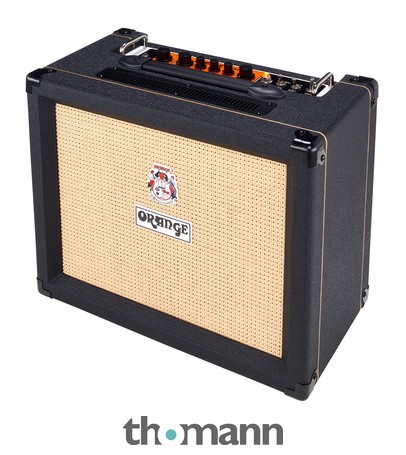
None of this means gear is irrelevant — I wouldn't be writing for a gear site if I believed that. An amp with headroom that stays clean under a percussive chord attack, like the Fender Blues Junior IV (check price) or something in the tube amps under $1000 range, will let dynamic nuance through rather than compressing it into sameness. A guitar with a well-balanced neck pickup and sensible wiring, the kind of thing we discuss in neck pickup wiring for archtops, gives your touch somewhere honest to land. But the order of operations matters. Fix the hand first. Buy the gear that reveals it honestly second. Reverse that order and you'll spend years chasing tone that was never going to arrive by itself.
The pianist who asked about my voicings that night in New York wasn't asking about equipment. He was asking why the chords sounded like they were listening to the room. That's not a pedal setting. That's ten years of paying attention to what my own hands were doing, one release at a time.
Frequently asked questions
Common questions
- How long does it take to develop good comping touch?
- There's no fixed timeline, but most players notice real change after a few months of deliberate, slow practice focused specifically on release and dynamics rather than new voicings. Learning more chords is faster than refining touch, which is exactly why touch gets neglected.
- Does a hollowbody archtop make comping technique more demanding?
- In my experience, yes. Archtops tend to reveal attack and release inconsistencies more readily than a solid body with high-output pickups, partly because of lower output and a more open acoustic response. That's not a flaw in the instrument, it's just less forgiving of sloppy technique.
- Should I practise comping with a metronome?
- Definitely, but not just on the beat. Practise deliberately placing chords slightly ahead of or behind the click so you can hear and control your own rhythmic placement rather than defaulting to dead-on-the-beat comping, which often sounds stiff in a real band context.
- Do flatwound strings make comping technique less important?
- They reduce some of the audible symptoms of uneven touch, like finger noise and harsh attack transients, but they don't address the underlying inconsistency. I'd treat flats as a tonal choice, not a substitute for practising release and dynamics properly.
I'm Marc. My background is jazz — conservatory training, years of session work, and a long-standing love affair with hollowbody archtops and a clean, articulate tone. I think about gear the way I think about voicings: every component shifts the colour of the whole. I'm drawn to instruments that reward a light touch and reveal what your hands are actually doing. You won't find hyperbole in my reviews; you'll find careful listening, and an honest account of how a guitar or amp behaves when you ask something musical of it.
Conservatory-trained jazz guitarist and session musician
More from Marc
- Miking a cab vs. amp-sim: getting a clean DI tone that sits rightWhy clean archtop and jazz tones often translate better through amp-sims than high-gain does, and how to set levels so your DI tone sits in a mix properly.
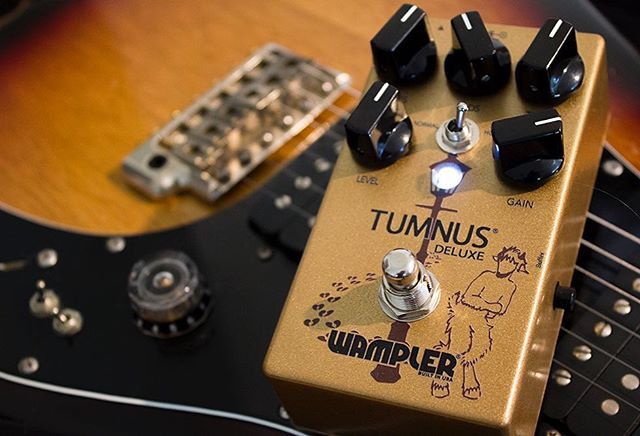 Fuzz circuit families explained: Muff, Fuzz Face and Tone BenderA jazz player's guide to the three core fuzz circuit families, what separates their voicings, and why the labels on the pedal matter less than the topology inside.
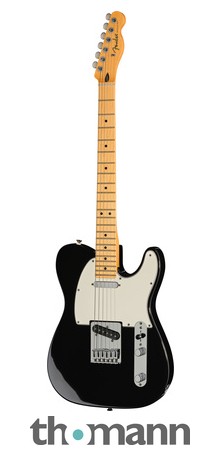 Why pickup height changes your touch dynamics more than tonePickup height is usually set for volume or tone balance, but it also shapes string pull and touch response — here's what to listen for.
- Fuzz as a volume-swell effect: using your guitar knob, not the pedalMost fuzz control happens on your guitar, not the pedal face. Here's how rolling the volume knob shapes gain, gate and voicing in real time.
- Fuzz gating on low output pickups: why single coils behave differentlyWhy single coils choke a fuzz pedal differently to humbuckers, and how output, impedance and pick attack shape that gated, sputtering edge.
- Fuzz voicings for jazz chords: which circuits stay articulateMost fuzz turns jazz voicings to mud. Here's which circuits, settings and chord shapes keep extended chords intelligible under gain.