Marc
I'm Marc. My background is jazz — conservatory training, years of session work, and a long-standing love affair with hollowbody archtops and a clean, articulate tone. I think about gear the way I think about voicings: every component shifts the colour of the whole. I'm drawn to instruments that reward a light touch and reveal what your hands are actually doing. You won't find hyperbole in my reviews; you'll find careful listening, and an honest account of how a guitar or amp behaves when you ask something musical of it.
39 published articles · most recent October 7, 2026
I'm Marc. My background is jazz — conservatory training, years of session work, and a long-standing love affair with hollowbody archtops and a clean, articulate tone.
I think about gear the way I think about voicings: every component shifts the colour of the whole. I'm drawn to instruments that reward a light touch and reveal what your hands are actually doing.
You won't find hyperbole in my reviews — you'll find careful listening, and an honest account of how an instrument behaves when you ask something musical of it.
Articles by Marc
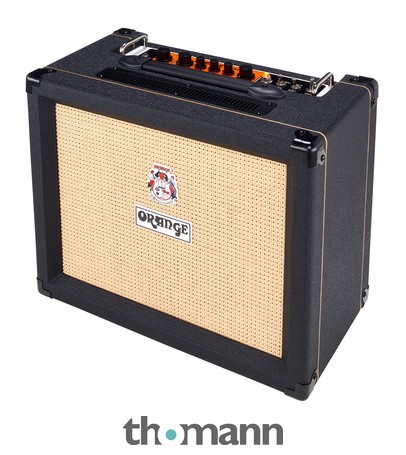 Miking a cab vs. amp-sim: getting a clean DI tone that sits rightWhy clean archtop and jazz tones often translate better through amp-sims than high-gain does, and how to set levels so your DI tone sits in a mix properly.
- Comping technique: why your left hand shapes your tone more than gearYour comping hand controls voicing clarity, dynamics and tone more than any pedal or amp setting. Here's how I actually practise it.
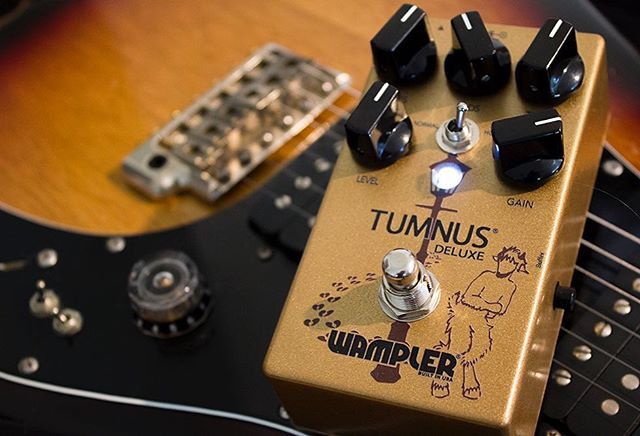 Fuzz circuit families explained: Muff, Fuzz Face and Tone BenderA jazz player's guide to the three core fuzz circuit families, what separates their voicings, and why the labels on the pedal matter less than the topology inside.
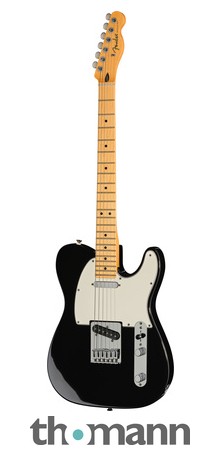 Why pickup height changes your touch dynamics more than tonePickup height is usually set for volume or tone balance, but it also shapes string pull and touch response — here's what to listen for.
- Fuzz as a volume-swell effect: using your guitar knob, not the pedalMost fuzz control happens on your guitar, not the pedal face. Here's how rolling the volume knob shapes gain, gate and voicing in real time.
- Fuzz gating on low output pickups: why single coils behave differentlyWhy single coils choke a fuzz pedal differently to humbuckers, and how output, impedance and pick attack shape that gated, sputtering edge.
- Fuzz voicings for jazz chords: which circuits stay articulateMost fuzz turns jazz voicings to mud. Here's which circuits, settings and chord shapes keep extended chords intelligible under gain.
- Flatwound strings on an archtop: why they change more than feelFlatwound strings reshape an archtop's whole voice, not just its feel under the fingers. Here's what actually changes, and why I put them back on every time.
- Neck pickup wiring for archtops: why the tone control does more workOn a hollowbody, the tone control shapes far more than treble roll-off. Here's why archtop players lean on it harder than solid-body players ever do.
- String height at the nut: the setup detail most players never checkNut slots cut too high cause tuning and intonation problems that a bridge adjustment can't fix. Here's how to spot it and what to do about it.
- Chord-melody practice: why voicing choice matters more than gearChord-melody playing exposes weak voicings fast. Here's why the fix is in your left hand, not your amp or pedalboard.
- Fuzz with a hollowbody: taming gate and gain for archtop playersFuzz and archtops seem an odd pairing, but with the right circuit and touch, a hollowbody can push fuzz into genuinely musical territory.
- Recording a hollowbody direct: getting a real jazz tone without a micA conservatory-trained session player's approach to DI'd archtop tone: gain staging, amp-sim choices and EQ moves that keep a clean jazz sound honest.
- Touch dynamics: why your picking hand controls tone more than your gear doesYour picking hand shapes tone more than pickups or pedals ever will. Here's how touch dynamics actually work, and how to practise them.
- Fuzz for two guitars: matching pedal order when your amp is sharedSharing one amp between two guitarists with different fuzz pedals? Here's how signal order, impedance and volume staging decide who sounds good.
- Why archtop and semi-hollow necks feel different, and what to buy firstNeck shape and scale length change how a hollow or semi-hollow guitar responds to a light touch. Here's what actually matters before you buy one.
- Fuzz and chord voicings: why extended jazz chords fall apart under fuzzWhy a Maj9 or a rootless voicing turns to mud under fuzz, and which chord shapes actually survive the circuit.
- Fuzz and your volume knob: the interaction nobody explains properlyHow a guitar's volume knob shapes fuzz differently to overdrive, and why silicon and germanium circuits behave so differently when you roll it back.
- Fuzz for players who don't play fuzz: an archtop guy's honest takeA jazz player's case for keeping one fuzz on the board, even if you never use it live — and which styles actually behave with a clean-toned rig.
- Low-gain overdrive for jazz and clean tones: how much grit is too muchA jazz player's guide to using overdrive pedals for subtle warmth and touch sensitivity, not distortion, on archtops and clean-toned electrics.
- Fuzz on a hollowbody: taming feedback without losing the bloomFuzz and archtops aren't natural enemies. Here's how to get the gain without the howl, and why the trick is mostly in your hands.
- Flatwound strings on a solidbody: why jazz players do it anywayFlatwounds aren't just for archtops. Here's what they actually change on a solidbody electric, and why the tradeoffs might suit you.
- Where to put fuzz in your signal chain, and why it's fussy about itFuzz pedal order isn't just convention. It's about impedance, and where you put it changes whether the fuzz sounds alive or just sounds broken.
- Setting intonation properly: why your open chords lie and your barre chords don'tWhy a guitar can be perfectly in tune open yet sour up the neck, and how to set intonation properly so both tell the same truth.
- Fuzz on an archtop: why it works better than you'd thinkA jazz player's take on using fuzz with archtops and hollowbodies — where it sits beautifully and where it turns to mud.
- Why a jazz box needs a different amp than a Strat doesAn archtop and a Strat don't want the same amp. Marc explains headroom, EQ voicing and why wattage matters differently for clean jazz tone.
- Guitar pickup height: how it affects tone, output and dynamicsPickup height is one of the most overlooked adjustments on any electric guitar. Marc explains what it does to your tone, output and feel — and how to set it right.
- Speaker impedance and ohm matching: what it means for your ampMismatching your amp's impedance output to your speaker cab is one of the quieter ways to damage a valve amp. Here's what the numbers actually mean.
- How nut slot depth affects your guitar's tone, tuning and playabilityNut slot depth is one of the least discussed setup variables — and one of the most consequential. Here's what it actually does to your tone, intonation and feel.
- Delay feedback and decay: what those two knobs actually do to your toneFeedback and decay are the most misunderstood controls on any delay pedal. Marc breaks down what they actually do — and how to use them musically.
- Amp wattage explained: what it actually means for your tone and volumeWattage isn't just a volume number — it shapes how an amp breaks up, breathes, and responds. Marc explains what the specs actually mean.
- How overdrive pedals interact with your guitar's volume knobYour guitar's volume knob isn't just an on/off switch. Marc explains how it reshapes overdrive response, cleans up dirt, and gives you a dynamic range most players leave on the table.
- How fuzz pedals behave with humbuckers vs single-coilsHumbuckers and single-coils don't just sound different through a fuzz — they change how the circuit behaves entirely. Here's what's actually happening.
- How to set delay and reverb so they work together, not against each otherRunning delay and reverb on the same signal can blur into mush fast. Here's how to set each so they complement each other and keep your tone clear.
- How right-hand tone production shapes your gear choicesYour picking hand does more than keep time. Here's how subtle changes in right-hand technique directly inform which guitars, amps and pedals will actually work for you.
- How to place a fuzz pedal in your signal chain (and why position changes everything)Where you put a fuzz in your signal chain changes how it sounds and responds. Here's how to think through the options clearly.
- How to get a good guitar tone recording direct: DI, amp sims and signal chain basicsRecording guitar direct doesn't mean compromising on tone. Here's how to think through your DI and amp-sim signal chain and get results that hold up.
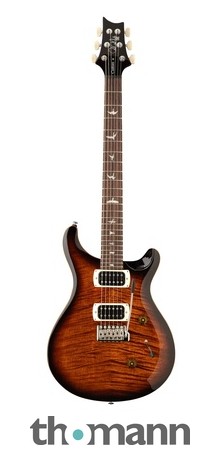 When Should You Upgrade Your Guitar? Signs You're ReadyHow to know when your first guitar is holding you back — and what a step-up instrument actually gets you for the money.
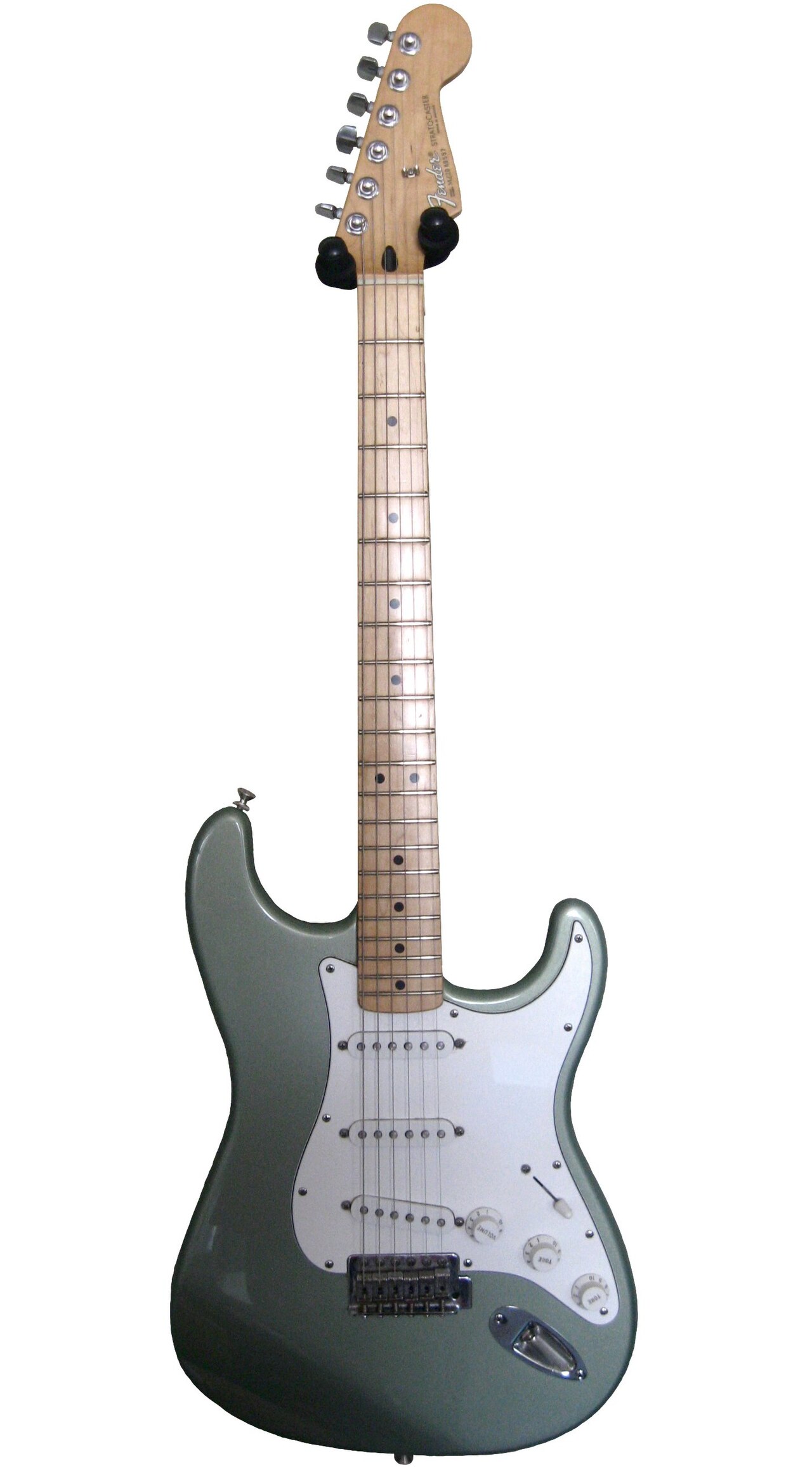 Single Coils vs Humbuckers: Which Pickups Are Right for You?The two great pickup families, and how they shape everything about your tone. A clear, practical guide to choosing the right voice for your playing.