Single Coils vs Humbuckers: Which Pickups Are Right for You?
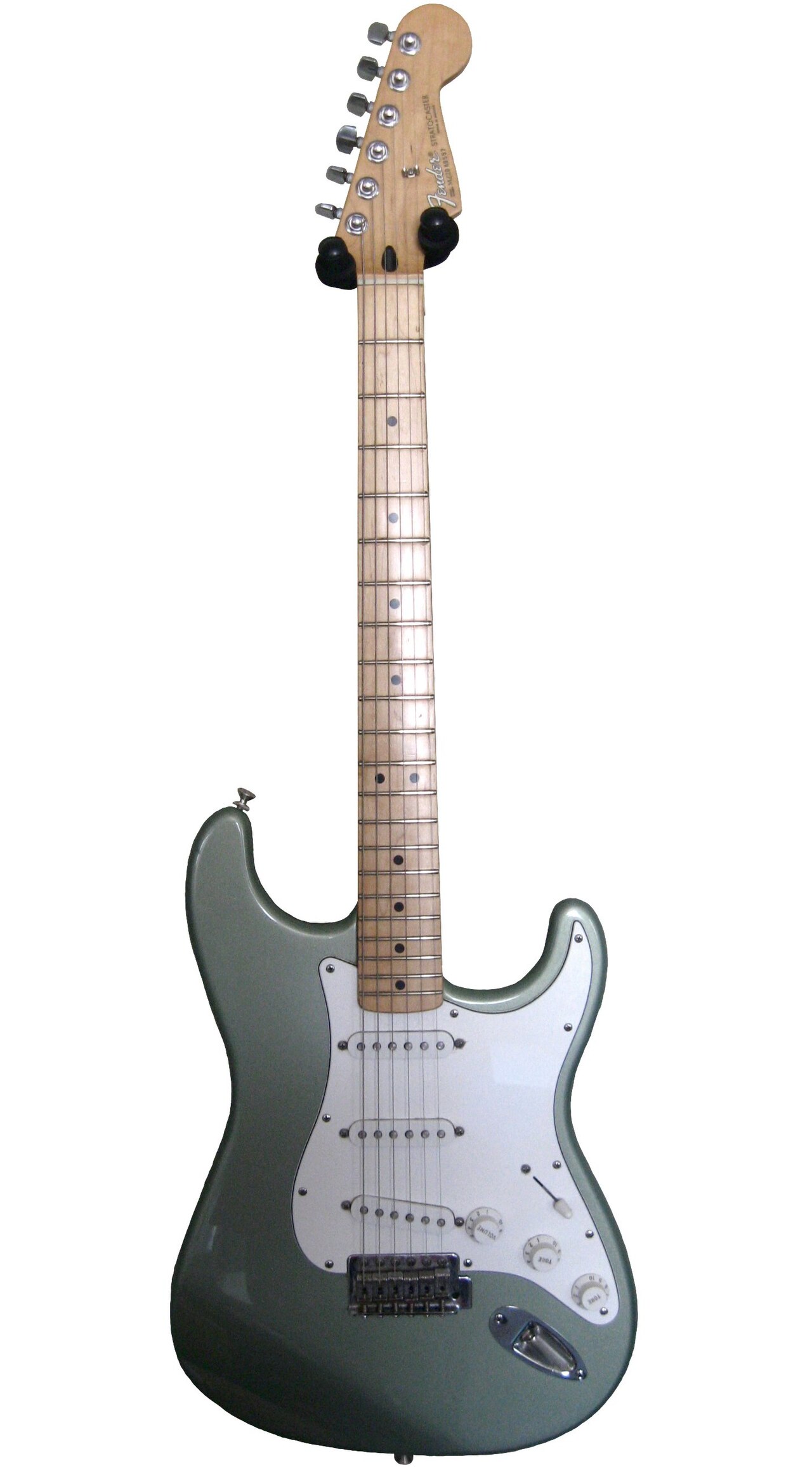
The pickups are where the magic happens — they’re the part that actually turns string vibration into the signal your amp hears. And almost every electric guitar uses one of two families. Understanding the difference will tell you more about how a guitar will sound than almost any other spec.
Single coils: bright, clear, articulate
Single-coil pickups are the classic Fender voice: bright, glassy, and full of detail. They’re wonderfully articulate, which makes them ideal for clean and lightly-driven tones across blues, funk, pop, country and indie. The trade-off is that they pick up electrical hum (that faint background buzz), and they can sound thin under very high gain. A Stratocaster (check price) is the definitive single-coil guitar.
Humbuckers: fat, warm, powerful
Humbuckers use two coils wired together to cancel that hum — hence the name. They’re warmer, thicker and higher-output, which makes them the natural choice for rock, metal and jazz, and for anyone who plays with a lot of gain. The trade-off is a little less of the sparkle and bite that single coils do so well. A Les Paul is the definitive humbucker guitar.
Why not both?
Plenty of guitars give you the best of both worlds. HSS guitars (two single coils and a bridge humbucker) like the Yamaha Pacifica (check price) are hugely popular for exactly this reason — Strat sparkle in the neck, rock power in the bridge. Many humbuckers also offer “coil-splitting”, which switches off one coil to approximate a single-coil sound.
Which should you choose?
Pick based on the music you love. Chiming cleans and funky rhythm? Single coils. Big rock and heavy gain? Humbuckers. Want to cover everything? An HSS guitar is the most versatile starting point — see our best beginner electric guitars guide for our top picks.
Common questions
- Are humbuckers better than single coils?
- Neither is better — they suit different music. Single coils are bright and articulate for clean and blues tones; humbuckers are fat and powerful for rock and metal. HSS guitars offer both.
- What is coil-splitting?
- Coil-splitting switches off one of a humbucker’s two coils so it sounds closer to a single coil. It’s a handy way to get extra tonal range from a humbucker-equipped guitar.
I'm Marc. My background is jazz — conservatory training, years of session work, and a long-standing love affair with hollowbody archtops and a clean, articulate tone. I think about gear the way I think about voicings: every component shifts the colour of the whole. I'm drawn to instruments that reward a light touch and reveal what your hands are actually doing. You won't find hyperbole in my reviews; you'll find careful listening, and an honest account of how a guitar or amp behaves when you ask something musical of it.
Conservatory-trained jazz guitarist and session musician
More from Marc
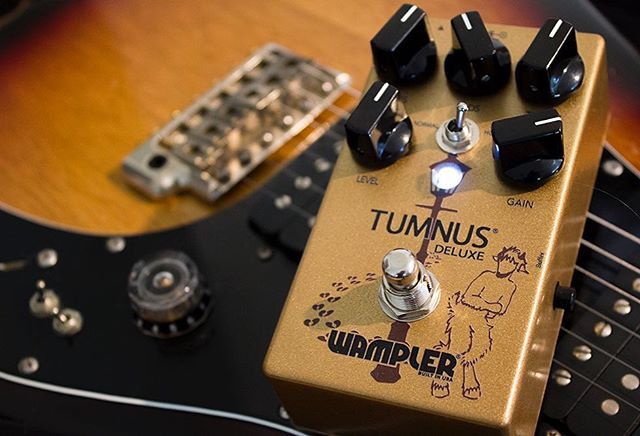 Fuzz on an archtop: why it works better than you'd thinkA jazz player's take on using fuzz with archtops and hollowbodies — where it sits beautifully and where it turns to mud.
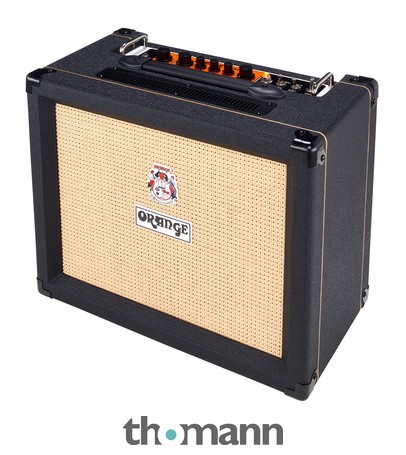 Why a jazz box needs a different amp than a Strat doesAn archtop and a Strat don't want the same amp. Marc explains headroom, EQ voicing and why wattage matters differently for clean jazz tone.
- Guitar pickup height: how it affects tone, output and dynamicsPickup height is one of the most overlooked adjustments on any electric guitar. Marc explains what it does to your tone, output and feel — and how to set it right.
- Speaker impedance and ohm matching: what it means for your ampMismatching your amp's impedance output to your speaker cab is one of the quieter ways to damage a valve amp. Here's what the numbers actually mean.
- How nut slot depth affects your guitar's tone, tuning and playabilityNut slot depth is one of the least discussed setup variables — and one of the most consequential. Here's what it actually does to your tone, intonation and feel.
- Delay feedback and decay: what those two knobs actually do to your toneFeedback and decay are the most misunderstood controls on any delay pedal. Marc breaks down what they actually do — and how to use them musically.