When Should You Upgrade Your Guitar? Signs You're Ready
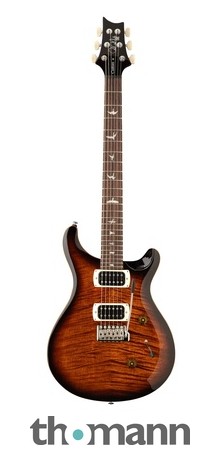
One of the most common questions I''m asked is when to move on from a first guitar. There''s no rule, but there are clear signs — and a step-up instrument can genuinely reignite your playing. Here''s how to tell.
You''ve outgrown the playability
If your guitar fights you — a high action you can''t set right, frets that buzz, tuning that won''t hold — and a setup hasn''t fixed it, that''s the clearest sign. A better instrument with quality hardware and a proper setup simply plays easier, and an easier guitar is one you pick up more.
You can hear the limitations
As your ears develop, you start to notice a thin or lifeless tone, or pickups that get muddy and noisy. A step-up guitar like the PRS SE Custom 24 (check price) brings better pickups and woods that give you richer, more responsive tone with real character.
You need a different voice
Sometimes it''s not that your guitar is bad — it''s that you''ve found your style and need a different tool. If you''ve fallen for jangly cleans, a Telecaster or semi-hollow will serve you better than a humbucker guitar; if you''ve gone heavy, a metal guitar will. Buying for your music, not just "better", is the smart move.
What a step-up actually gets you
For roughly $450–$900 you get noticeably better playability, more characterful and versatile pickups, sturdier hardware that holds tuning, and a guitar that holds its value. It''s the best-value bracket in electric guitars. See our best intermediate electric guitars guide for where to start.
Common questions
- When should I upgrade from my first guitar?
- When it fights you despite a proper setup (action, frets, tuning), when you can hear its tonal limitations, or when you''ve found a style that needs a different kind of guitar. Once you''re practising regularly, a step-up instrument is genuinely worth it.
- How much better is an intermediate guitar?
- For about $450–$900 you get noticeably better playability, more versatile and characterful pickups, sturdier tuning-stable hardware, and better resale value — most of a high-end guitar''s quality for far less.
I'm Marc. My background is jazz — conservatory training, years of session work, and a long-standing love affair with hollowbody archtops and a clean, articulate tone. I think about gear the way I think about voicings: every component shifts the colour of the whole. I'm drawn to instruments that reward a light touch and reveal what your hands are actually doing. You won't find hyperbole in my reviews; you'll find careful listening, and an honest account of how a guitar or amp behaves when you ask something musical of it.
Conservatory-trained jazz guitarist and session musician
More from Marc
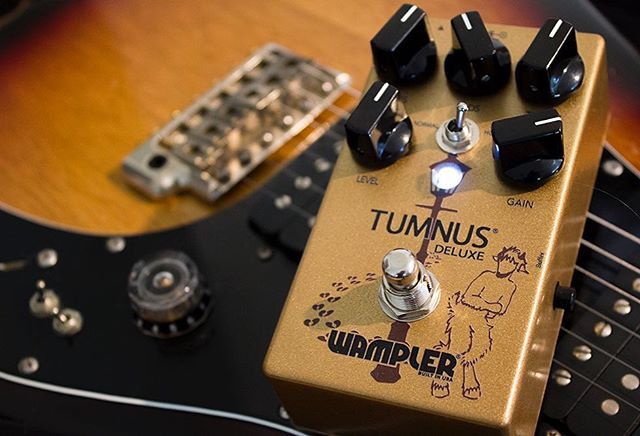 Fuzz on an archtop: why it works better than you'd thinkA jazz player's take on using fuzz with archtops and hollowbodies — where it sits beautifully and where it turns to mud.
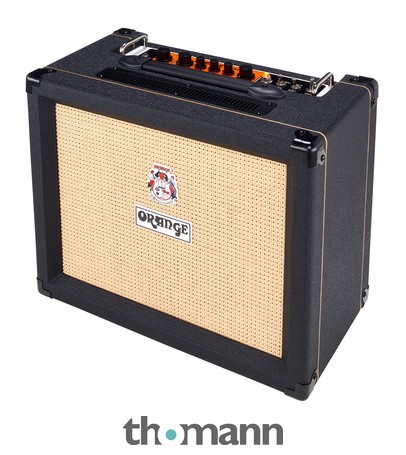 Why a jazz box needs a different amp than a Strat doesAn archtop and a Strat don't want the same amp. Marc explains headroom, EQ voicing and why wattage matters differently for clean jazz tone.
- Guitar pickup height: how it affects tone, output and dynamicsPickup height is one of the most overlooked adjustments on any electric guitar. Marc explains what it does to your tone, output and feel — and how to set it right.
- Speaker impedance and ohm matching: what it means for your ampMismatching your amp's impedance output to your speaker cab is one of the quieter ways to damage a valve amp. Here's what the numbers actually mean.
- How nut slot depth affects your guitar's tone, tuning and playabilityNut slot depth is one of the least discussed setup variables — and one of the most consequential. Here's what it actually does to your tone, intonation and feel.
- Delay feedback and decay: what those two knobs actually do to your toneFeedback and decay are the most misunderstood controls on any delay pedal. Marc breaks down what they actually do — and how to use them musically.