Fuzz for two guitars: matching pedal order when your amp is shared
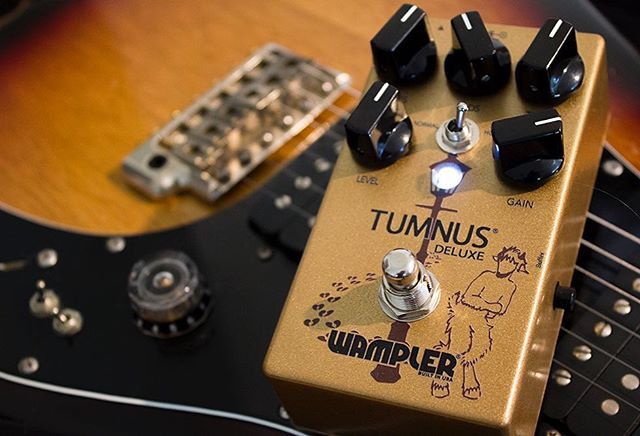
Last month I did a duo gig at a small room off Bedford Avenue, sharing a single combo with another guitarist because the stage was, generously, the size of a rug. He runs a Big Muff-style fuzz into a Twin-alike. I run a hollowbody into something considerably drier. We had one amp between us and about four minutes at soundcheck to make it work. That's the situation this piece is actually about, and it's a more common one than gear articles usually admit: two players, two fuzz pedals, one amplifier, and a signal chain that has to behave for both of you.
I've written before about how fuzz reacts to your fuzz pedal choice and your guitar's volume knob, and about why extended jazz voicings can turn to mud under the wrong fuzz circuit. This is the sequel nobody asks for: what happens when fuzz has to share.
Why fuzz pedal order gets fussier with two guitars
Fuzz, more than almost any other pedal type, cares about what's in front of it. Silicon fuzz faces and their descendants (the Dunlop Fuzz Face Mini (check price) is a fair modern example) were designed assuming a guitar's pickup goes straight into them, nothing else in between. Put a buffer, a compressor, or another guitarist's pedalboard's impedance quirks ahead of that fuzz, and the interaction changes. Not subtly, either — the fuzz can go thin, gated, or oddly harsh.
Now put two separate instruments and two separate fuzz pedals through one shared amp, possibly through a shared DI or a shared effects loop, and you've multiplied the variables. The amp only has one input stage. Whoever hits it second is, in effect, being coloured by whatever the first player's chain did to the overall signal path if you're running things in any kind of series or summed arrangement.
The practical setups that actually work
There are really only three sane ways to share an amp between two fuzz users, and I'll be honest about the tradeoffs of each rather than pretend one is perfect.
The first is the obvious one: two channels, two amp inputs, if your amp or combo has them, or an A/B/Y box feeding a single input in alternation rather than summing. This keeps each player's fuzz behaving exactly as it would solo, because nothing upstream has changed. It's the cleanest solution and the one I'd recommend first. Most gigging combos with two inputs (older Twins, some boutique heads) handle this fine, though you'll fight for headroom if you both dig in at once.
The second is a small mixer or splitter box ahead of the amp, blending both signals to mono before the amp sees a single line. This works, but understand that you're now running each guitarist's fuzz into a summed, lower-impedance load rather than a dedicated high-impedance instrument input, and germanium fuzzes in particular can sound noticeably different fed this way. Test it before doubling down.
The third, which is what my duo partner and I actually did that night, is sequential: one guitarist plays through the amp's front end, the other goes into the effects loop return, essentially splitting where each of us lands in the amp's own gain structure. It's inelegant but it worked, because his heavier fuzz-into-preamp sound and my clean archtop tone weren't fighting over the same gain stage.
Silicon, germanium and Big Muff circuits behave differently under sharing
This matters more than people think. A silicon Fuzz Face is touchy about what's before it but fairly tolerant of what's after — it'll push into most amp front ends predictably. Germanium fuzzes are temperature-sensitive and load-sensitive on both sides; they're the pedal most likely to sound completely different at a shared gig than they did in your bedroom. Big Muff-style circuits (the EHX Big Muff Pi (check price) or the Green Russian reissue (check price)) are comparatively more stable being shared or split, because their internal buffering is less dependent on seeing a bare guitar signal directly.
If you're the one supplying the fuzz for a two-guitar shared rig, a Muff-style circuit is the safer choice for exactly this reason. It's less likely to fall apart when the signal chain around it gets complicated by someone else's board.
Volume staging is the part everyone forgets
Two fuzz pedals, two players, one amp, means someone's unity gain assumption is wrong. Fuzz pedals are notorious for enormous output jumps between off and on — I'd guess most guitarists have never actually A/B'd their fuzz's true unity gain level against a clean signal, because at home it doesn't matter. On a shared amp it matters enormously, because if your fuzz is 6dB hotter than the other guitarist's fuzz, you're not just louder, you're pushing the amp's front end into a different response entirely and changing what they hear when they're not playing through your gain stage.
Set both fuzz pedals' output level by ear against a clean strummed chord before you touch tone or gain knobs. It sounds basic. It's the step that gets skipped every single time and it's the one that actually fixes most "why does this sound harsh live" complaints.
Where I land on it
My honestly slightly contrarian view: most shared-amp fuzz problems aren't circuit problems, they're gain-staging problems dressed up as tone problems. Everyone wants to blame the pedal. I'd rather sit both players down for ten minutes with a level meter, or even just an attentive ear, before the gig. The lower-gain overdrive route is worth considering too if one of you can live without full fuzz — it shares amps far more gracefully.
If your rig allows it, a splitter with independent level trim per channel, or simply two amp inputs, will save you more grief than any pedal purchase. Buy the fuzz you love. Just don't assume it'll behave the same once someone else's signal joins the party.
Common questions
- Can two fuzz pedals run into the same amp input at the same time?
- Only through a proper mixer or splitter designed for it. Running two instrument outputs into one jack via a passive Y-cable will load both pickups incorrectly and usually sounds thin or unpredictable. Use a small mixer with independent gain trim if you need to sum to mono.
- Does a buffer pedal fix fuzz problems in a shared rig?
- Sometimes, but not always. A buffer ahead of a Fuzz Face style circuit can actually make it sound worse, since those circuits are designed to see a guitar's raw impedance. Muff-style fuzzes tolerate buffers better. Test before you commit.
- Is germanium or silicon fuzz better for a shared gig rig?
- Silicon is more temperature-stable and predictable under changing conditions, which matters more when you're not the only variable in the chain. Germanium can sound wonderful but its behaviour shifts with heat and load, which is a harder thing to manage on a shared stage.
- Should I just use overdrive instead of fuzz if I'm sharing an amp?
- It's worth considering. Overdrive pedals are generally more forgiving of what's around them in the signal chain and less dramatic in output jump, which makes shared-amp gain staging considerably easier to manage.
I'm Marc. My background is jazz — conservatory training, years of session work, and a long-standing love affair with hollowbody archtops and a clean, articulate tone. I think about gear the way I think about voicings: every component shifts the colour of the whole. I'm drawn to instruments that reward a light touch and reveal what your hands are actually doing. You won't find hyperbole in my reviews; you'll find careful listening, and an honest account of how a guitar or amp behaves when you ask something musical of it.
Conservatory-trained jazz guitarist and session musician
More from Marc
- Low-gain overdrive for jazz: pushing an archtop without losing clarityA light touch of overdrive can thicken an archtop's voice without smearing the chord. Here's how I set gain stages to keep jazz tone articulate.
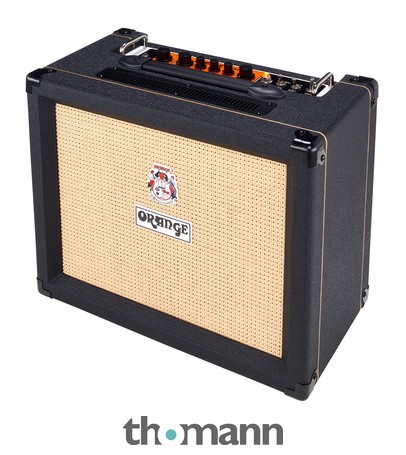 Miking a cab vs. amp-sim: getting a clean DI tone that sits rightWhy clean archtop and jazz tones often translate better through amp-sims than high-gain does, and how to set levels so your DI tone sits in a mix properly.
- Comping technique: why your left hand shapes your tone more than gearYour comping hand controls voicing clarity, dynamics and tone more than any pedal or amp setting. Here's how I actually practise it.
- Fuzz circuit families explained: Muff, Fuzz Face and Tone BenderA jazz player's guide to the three core fuzz circuit families, what separates their voicings, and why the labels on the pedal matter less than the topology inside.
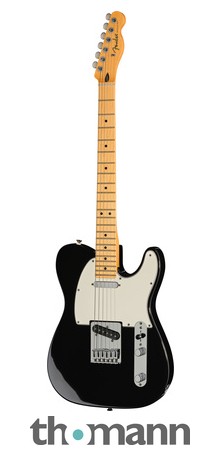 Why pickup height changes your touch dynamics more than tonePickup height is usually set for volume or tone balance, but it also shapes string pull and touch response — here's what to listen for.
- Fuzz as a volume-swell effect: using your guitar knob, not the pedalMost fuzz control happens on your guitar, not the pedal face. Here's how rolling the volume knob shapes gain, gate and voicing in real time.