Tagged: overdrive
26 articles we've published with this tag.
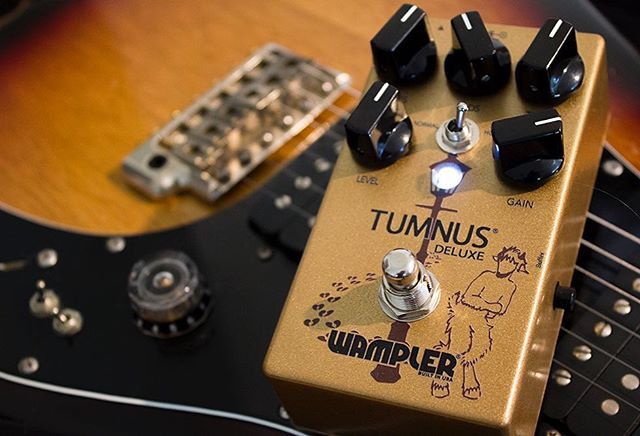 Putting an overdrive before your ambient chain: why gain goes firstWhere you put your overdrive relative to delay and reverb changes everything. Here's why gain almost always wants to go first, and when it doesn't.By Martin
- Why pickup output changes how your fuzz and drive pedals behavePickup output shapes how fuzz and overdrive pedals respond at the input stage, not just how loud your guitar is. Here's why that matters.By Martin
- Setting your amp clean before you add an overdrive (and why most skip it)Your overdrive can only work with what your amp gives it. Here's how to set a proper clean baseline before you stack anything on top.By Jez
- Running an overdrive always-on: the low-gain trick high-gain players skipAn overdrive left on at low gain, all the time, does more for a high-gain rig than another distortion pedal ever will. Here's why it works.By Daz
- Using an overdrive to fix a scooped high-gain toneA scooped high-gain tone sounds huge alone and disappears in a mix. Here's how a mid-forward overdrive pedal fixes it without retracking anything.By Daz
- Boosting a modeller's amp block: why an overdrive pedal still mattersRunning a profiler doesn't mean the overdrive-into-amp trick is dead. Here's how boosting a modelled amp block actually works, and why it still tightens up high gain.By Daz
- Clipping types explained: why your distortion pedal feels the way it doesSymmetrical, asymmetrical, diode vs op-amp clipping — here's why two "distortion" pedals with the same gain knob can feel completely different under your pick.By Daz
- Using an overdrive as a tight gate for high-gain amps and profilersA low-gain overdrive in front of your high-gain amp or profiler isn't just for extra grind. It tightens low-string chug and cleans up flub.By Daz
- Where gain pedals actually clip: why the order changes your toneOverdrive and distortion pedals clip your signal in different places and different ways. Understanding where changes how you stack and order them.By Martin
- Gain staging for beginners: why the order of your knobs mattersConfused why your overdrive sounds thin or your distortion sounds mushy? It's usually gain staging, not the pedal. Here's the plain-English fix.By Rob
- How to stack two overdrive pedals for better toneStacking overdrive pedals isn't just doubling up — it's about how each stage shapes the next. Jez explains the approach that actually works.By Jez
- Overdrive and distortion pedals on bass: what actually worksMost overdrive pedals were designed for guitar. Here's what happens when you plug a bass into them — and how to get dirt that still locks in the pocket.By Sheildon
- What does 'true bypass' actually mean on a pedal?True bypass is one of the most-argued terms in pedal-land. Here's what it actually means, why it matters (and when it really doesn't).By Rob
- How your amp's clean channel affects your overdrive pedal toneYour overdrive pedal doesn't work in isolation — the amp behind it shapes everything. Jez explains what the clean channel actually does to your dirt tone.By Jez
- How tube amp breakup differs from pedal distortion — and why it mattersTube amp breakup and pedal distortion both add grit, but they work differently. Here's what that means for your tone and how you use them together.By Doug
- Fuzz into overdrive vs overdrive into fuzz: does the order actually matter?Stack a fuzz and an overdrive and the order matters enormously. Martin breaks down what each combination actually does to your tone.By Martin
- How overdrive pedals respond to fingerpicking (and why it's different from a pick)Fingerpicking and overdrive pedals have a complicated relationship. Here's what's actually happening when your tone cleans up — or collapses — under your fingers.By Doug
- Why your overdrive pedal sounds better through some amps than othersYour overdrive pedal isn't broken — your amp might just not be the right partner for it. Rob explains why amp type changes everything.By Rob
- How overdrive pedals interact with your guitar's volume knobYour guitar's volume knob isn't just an on/off switch. Marc explains how it reshapes overdrive response, cleans up dirt, and gives you a dynamic range most players leave on the table.By Marc
- Why your distortion pedal sounds fizzy at home (and how to fix it)Fizzy, thin, buzzy distortion is one of the most common beginner frustrations. Here's why it happens and exactly what to fix first.By Rob
- What do the knobs on a distortion pedal actually do?Gain, tone, level — three knobs, endless confusion. Rob breaks down exactly what each control does and how to set them as a beginner.By Rob
- How clipping works in overdrive and distortion pedalsHard clipping, soft clipping, asymmetric clipping — what's actually happening inside your dirt pedal, and why it changes how your tone feels.By Martin
- Stacking overdrive pedals: how layering dirt actually worksStacking two overdrive pedals unlocks tones neither can reach alone. Doug explains the signal chain logic, gain staging, and why order matters.By Doug
- Running an overdrive pedal into an acoustic-electric: what actually worksOverdrive on acoustic sounds wrong — until it doesn't. Doug walks through how to run dirt into an acoustic-electric without losing what makes the instrument alive.By Doug
- How to use an overdrive pedal to boost your amp (and why it works)Confused about using an overdrive as a boost rather than a distortion? Rob explains the technique in plain English — no jargon, just results.By Rob
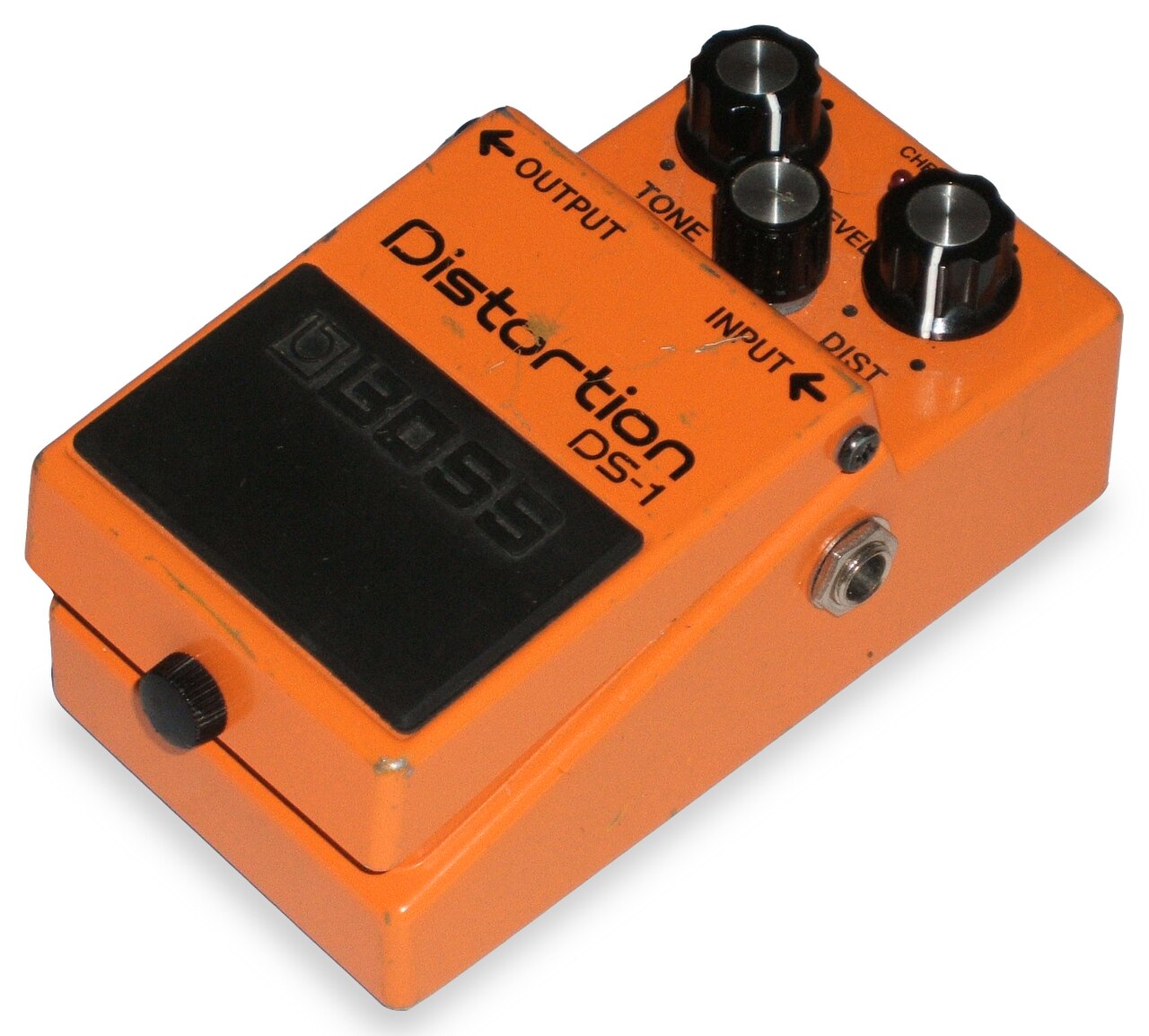 Overdrive vs Distortion vs Fuzz: What’s the Difference?Three flavours of “dirt”, three different jobs. A plain-English guide to the pedals that make your guitar growl — and when to reach for each.By Martin