Overdrive vs Distortion vs Fuzz: What’s the Difference?
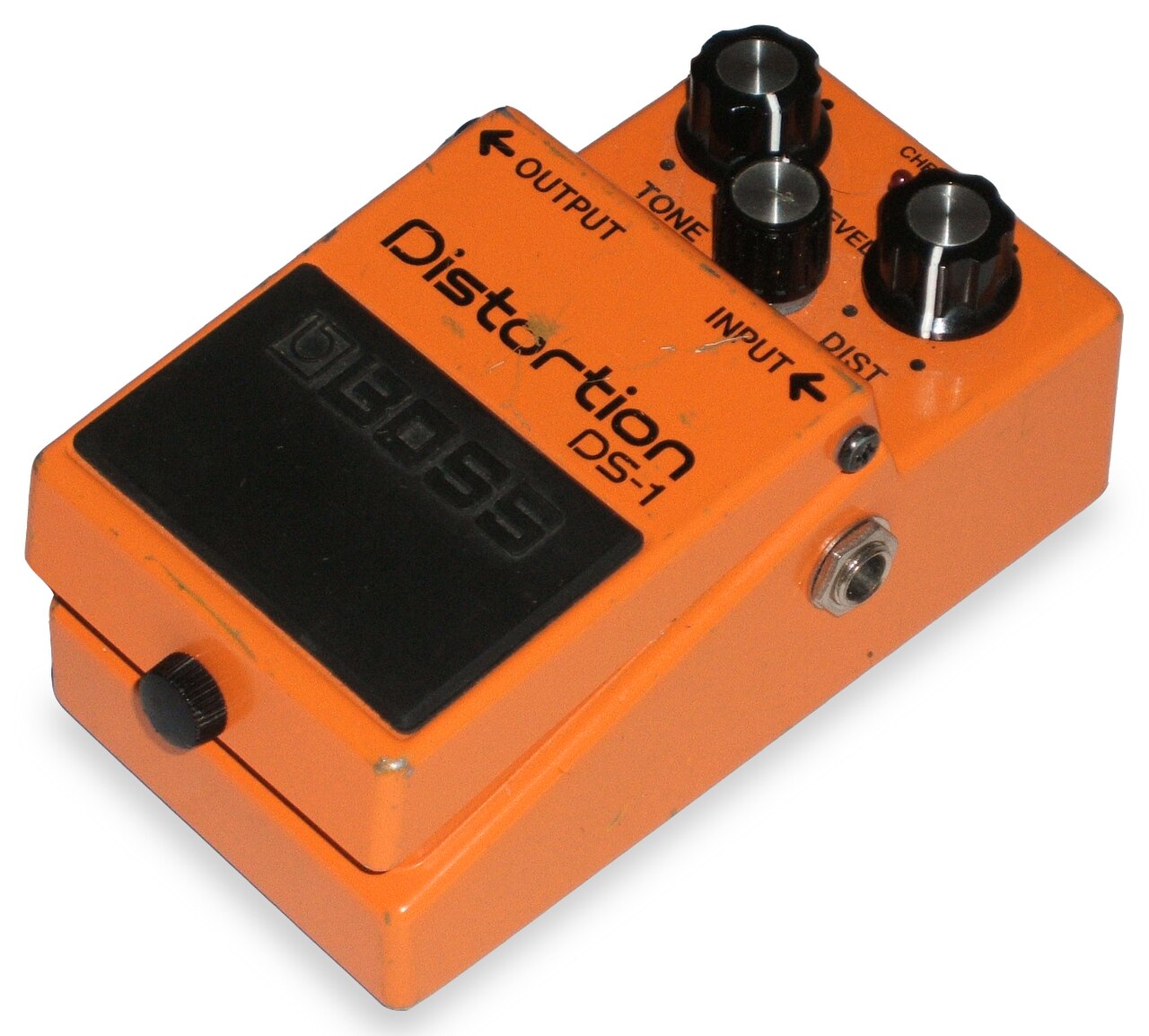
I have a lot of dirt pedals (it’s a problem). And the single most common question I get is: what’s the actual difference between overdrive, distortion and fuzz? They all make your guitar sound dirty — but they do it in different ways and for different music.
Overdrive: the gentle one
Overdrive is the mildest. It’s designed to mimic the sound of a valve amp pushed just past its clean limit — warm, dynamic, and responsive to how hard you pick. It cleans up beautifully when you roll your guitar volume back. It’s the sound of blues, classic rock and indie, and it’s often used to “push” an amp that’s already breaking up. The Ibanez Tube Screamer (check price) is the archetype.
Distortion: the workhorse
Distortion adds more gain and a harder, more compressed edge that stands on its own — you don’t need a cranked amp underneath it. It’s tighter and more aggressive than overdrive, and it’s the backbone of rock and metal rhythm tones. The ProCo RAT 2 (check price) and the humble Boss DS-1 (check price) are classics.
Fuzz: the wild one
Fuzz is the oldest and most extreme. It clips the signal so hard the waveform turns almost square, giving a thick, woolly, sometimes chaotic texture. Think Hendrix, stoner rock and garage. Fuzz can be unpredictable and doesn’t always play nicely with other pedals — but nothing else sounds like it.
Which do you need?
Most players end up with at least an overdrive and a distortion, because they do genuinely different jobs — one to push, one to provide the main grit. Add a fuzz when you want something wilder. If you’re building a board from scratch, start with our best overdrive and distortion pedals guide, then read on for how to wire it all together.
Common questions
- Can one pedal do overdrive, distortion and fuzz?
- Some multi-mode pedals get close, but each type clips the signal differently, so dedicated pedals usually sound best at what they do. Many players run an overdrive and a distortion together.
- What order should dirt pedals go in?
- A common approach is fuzz first, then overdrive, then distortion — but there are no hard rules. Experiment: stacking a low-gain overdrive into a distortion is a classic trick for tighter lead tones.
I'm Martin, and I have a problem (it's pedals). I play ambient and post-rock — big washes of reverb, delays into delays, the kind of pedalboard that needs its own roadie — so effects are where I live. I love going down the rabbit hole on a circuit: what's the buffer doing, how does it stack, what happens at the extremes of the knobs nobody dares turn? My reviews tend to wander, because that's how you actually find the magic in a box. I'll always show you the weird, useful corners.
Ambient/post-rock guitarist and lifelong pedal collector
More from Martin
 Why pickup choice changes how your pedals behavePickup output and impedance shape how overdrive, fuzz and reverb pedals respond, often more than the pedal's own knobs.
 Why your picking hand decides whether your pedalboard sounds goodYour pedals react to how you pick, not just how you set the knobs. Here's how picking dynamics shape fuzz, delay and reverb response.
 Running an acoustic into ambient pedals without it falling apartWhy ambient pedal chains that sound gorgeous on electric often turn an acoustic-electric to mush, and the signal-chain fixes that actually work.
- Tap tempo technique: getting your delay actually in timeTap tempo looks simple until you're doing it live. Here's how to actually land your delay in time, from foot placement to subdivision traps.
- Preamp pedals on an acoustic-electric: when they help and when they don't
- Putting an overdrive before your ambient chain: why gain goes firstWhere you put your overdrive relative to delay and reverb changes everything. Here's why gain almost always wants to go first, and when it doesn't.