Setting your amp clean before you add an overdrive (and why most skip it)
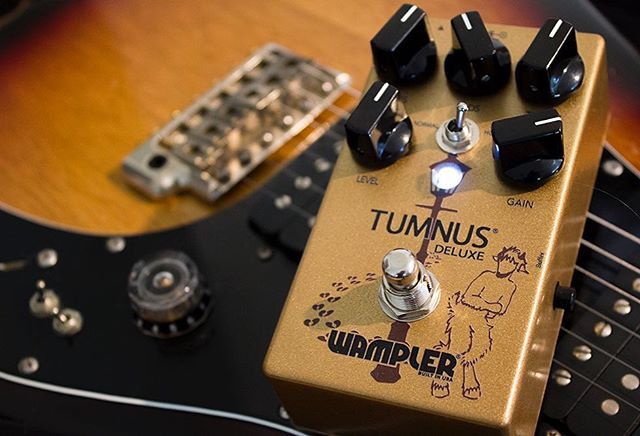
I had a lad in the workshop a few years back, decent player, expensive overdrive pedal, absolutely furious it "sounded like mud" through his combo. Twenty minutes in I found the problem. His amp's clean channel was already breaking up round the edges before the pedal even touched it, mids scooped right down, presence dimed. The pedal wasn't broken. The platform underneath it was a mess. That's the bit nobody talks about — you can't stack a good overdrive on a bad clean tone and expect it to sort itself out.
Right then, this is the article I wish I could hand every player who walks in with a "my overdrive sounds wrong" complaint. It's rarely the pedal. It's almost always the clean tone it's landing on.
Why the clean channel is the actual foundation
An overdrive pedal doesn't create a tone from nothing. It shapes and pushes whatever signal is already coming out of your amp. Boost a scooped, harsh clean sound and you get a scooped, harsh overdriven sound, just louder and angrier about it. Boost a clean tone with proper mid content and reasonable headroom and the overdrive has something worth working with.
I've said this before and I'll keep saying it: the front end of your amp is doing most of the heavy lifting. Your guitar's pickup height and output jack matter here too — a noisy or inconsistent signal path upstream means the pedal is amplifying problems you haven't fixed yet, not just adding gain.
Get the amp's own EQ sorted first
Before you touch a single pedal, dial in a clean tone you'd genuinely want to listen to on its own. Not scooped for "clarity", not bass-heavy for "warmth" — balanced. On most valve amps that means mids somewhere around the middle of the dial, not backed off to zero. Scooped mids are the single most common reason a stacked overdrive tone turns to mush live; there's simply no midrange information left for the pedal to push forward, so everything collapses into low-end fuzz and fizzy top end with nothing in between.
I run an EL34-based amp most weeks and I'll set the clean channel with the gain low, volume where I actually gig at, and the tone stack balanced before an overdrive goes anywhere near it. If that clean tone sounds thin or brittle on its own, no pedal is fixing that downstream.
Headroom decides how the pedal behaves
This is the part players miss most. An overdrive pushed into a clean channel with plenty of headroom acts very differently to the same pedal pushed into a channel that's already sagging and compressing.
Loads of headroom (a bigger valve amp, or a solid-state clean like you'd get from something such as the Boss Katana-50 MkII (check price)) and the overdrive does most of the character work itself — you hear the pedal's clipping and voicing clearly. Less headroom, like a small valve combo already breathing hard at gig volume, say a Fender Blues Junior IV (check price) or an Orange Rocker 15 (check price) up past halfway, and the amp itself starts contributing compression and sag before the pedal even gets a look in. Neither is wrong. But you need to know which one you're working with, because it changes how much gain you actually need from the pedal itself.
I'd argue most players run too much gain on the overdrive to compensate for an amp that's too clean and too loud-headroomed for the style they're after. Back off the pedal's gain knob and let a slightly sagging amp do some of that work instead. It sounds more natural, in my experience, than dialling everything through the pedal.
Volume knob placement changes the whole conversation
Where your amp's clean volume sits matters more than most players give it credit for. Too low and there's no natural amp breakup to interact with, so the overdrive is doing all the work alone and can sound thin or fizzy. Too high and the amp's already distorting before the pedal engages, so you get a smeared, undefined mess when you stack overdrive on top of amp breakup that's already lost its clarity.
The sweet spot, on most valve amps I've worked on, is clean volume set right at the edge of breakup — just under where the amp starts to compress on its own. That's the platform an overdrive like a Tube Screamer (check price) or a Boss SD-1 (check price) was actually designed to sit on top of. Push into that edge with the pedal and you get amp and pedal working together rather than fighting for control of the same job.
Tone knob on the guitar isn't dead weight either
Worth mentioning because it gets ignored constantly: your guitar's own volume and tone controls are part of this clean baseline too. Rolling back guitar volume slightly before you set your amp clean tone tells you how the amp responds dynamically, which is exactly what an overdrive relies on to clean up or push harder depending on your picking. If your amp's clean tone doesn't respond to guitar volume changes at all, that's often a sign the front end's already too hot or too compressed for a pedal to interact with properly.
A quick way to test your baseline
Switch the overdrive off entirely and just play. If the clean tone bores you, sounds thin, or has an odd frequency spike that annoys your ear, fix that first with the amp's own controls, not the pedal's. Once the clean tone is something you'd happily play a whole set on its own, switch the overdrive back in. You'll almost always need less gain than you thought, and the tone will sit better in a mix or on a recording.
If you're shopping for an amp specifically to pair with overdrive pedals, it's worth reading through our best tube amps under $1000 guide with this in mind — headroom and mid response vary a lot between amps at that price point, and it changes how any overdrive you put in front of them will behave. And if you haven't settled on a pedal yet, our best overdrive and distortion pedals guide covers a decent spread of clipping styles worth trying against your own amp's clean tone rather than someone else's demo.
Get the clean sorted first. The pedal will thank you for it.
— Jez, Amps & Valve Tone Editor
Common questions
- Should I set my amp's clean tone at bedroom volume or gig volume?
- Gig volume, if you can manage it. Valve amps behave differently at different volumes because of natural compression and sag, so a clean tone that sounds great quietly can turn thin or harsh once you're actually pushing air at a gig.
- Does this apply to solid-state and modelling amps too?
- The EQ balance advice applies everywhere, but the headroom and sag behaviour is more specifically a valve amp thing. Solid-state and modelling platforms tend to stay more consistent regardless of volume, so the overdrive does more of the character work on its own.
- What if my amp only has one channel and no gain control?
- That's fine, and honestly it's a good platform for pedals. Just make sure the EQ and volume are set the way you'd want a clean tone to sound on its own before you add anything in front of it.
Right then — I'm Jez, and I've spent the best part of 25 years chasing the same thing: a cranked British valve amp on the edge of breakup. Cut my teeth in smoky blues clubs around the North West, then spent a decade on the bench fixing other people's amps, which taught me more about tone than any pedal ever did. I'm a sucker for an EL34 power section and a bit of natural sag. I'll always tell you straight whether an amp's worth the money or whether you're paying for a badge.
Gigging blues-rock guitarist (25+ yrs) and former valve-amp tech
More from Jez
 Why pickup magnet type changes how your valve amp breaks upAlnico and ceramic pickups push a valve amp's front end differently. Here's how magnet type shapes breakup, feel and sag, from a former amp tech.
- Clipping types explained: why diodes shape your drive pedal's feelSilicon, germanium, LED or asymmetrical — the clipping diodes in your overdrive decide how it feels under your fingers, not just how it sounds.
 Choosing between a dreadnought and an OM: a real-world guideDreadnought or OM? Jez breaks down how body shape actually changes feel, volume and tone, and which one suits your playing style.
- Where to put fuzz in your pedal chain (and why it moves)Fuzz pedal order isn't fixed like your other drives. Here's why it moves depending on your rig, and how to find the spot that actually works.
- Germanium vs silicon fuzz: which one suits your amp?Germanium and silicon fuzz behave completely differently through a valve amp. Here's how to pick the right one for your rig, not just your ears in a shop.
- Why fresh strings can make your valve amp sound worse, not betterNew strings aren't always the tone fix you think they are. Here's why a fresh set can clash with a cranked valve amp, and how to get both dialled in together.