Jez
Right then — I'm Jez, and I've spent the best part of 25 years chasing the same thing: a cranked British valve amp on the edge of breakup. Cut my teeth in smoky blues clubs around the North West, then spent a decade on the bench fixing other people's amps, which taught me more about tone than any pedal ever did. I'm a sucker for an EL34 power section and a bit of natural sag. I'll always tell you straight whether an amp's worth the money or whether you're paying for a badge.
40 published articles · most recent October 4, 2026
Right then — I'm Jez, and I've spent the best part of 25 years chasing the same thing: a cranked British valve amp on the edge of breakup.
I cut my teeth in smoky blues clubs around the North West, then spent a decade on the bench fixing other people's amps — which taught me more about tone than any pedal ever did. I'm a sucker for an EL34 power section and a bit of natural sag.
I'll always tell you straight whether an amp's worth the money, or whether you're just paying for the badge on the front.
Articles by Jez
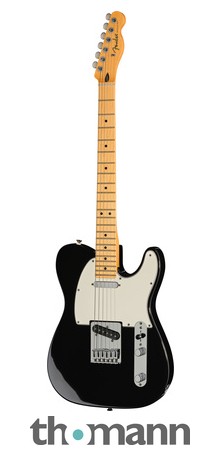 Why pickup magnet type changes how your valve amp breaks upAlnico and ceramic pickups push a valve amp's front end differently. Here's how magnet type shapes breakup, feel and sag, from a former amp tech.
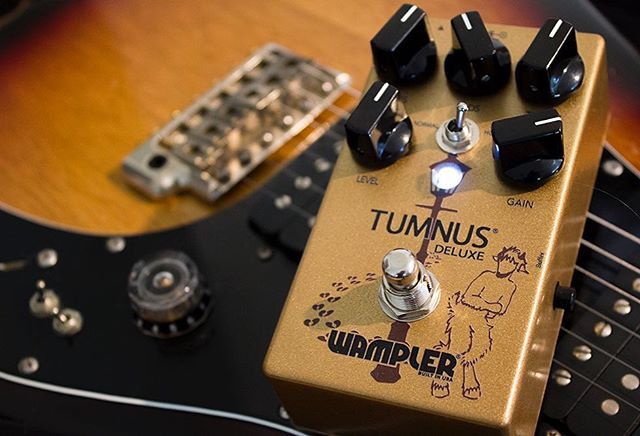 Clipping types explained: why diodes shape your drive pedal's feelSilicon, germanium, LED or asymmetrical — the clipping diodes in your overdrive decide how it feels under your fingers, not just how it sounds.
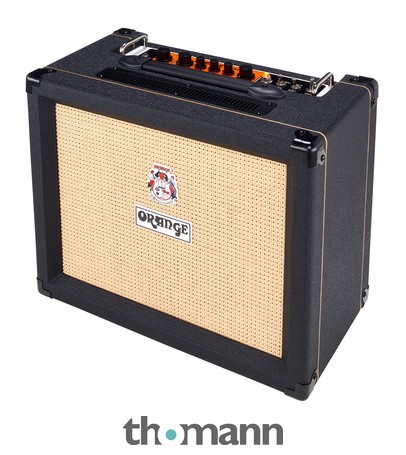 Choosing between a dreadnought and an OM: a real-world guideDreadnought or OM? Jez breaks down how body shape actually changes feel, volume and tone, and which one suits your playing style.
- Where to put fuzz in your pedal chain (and why it moves)Fuzz pedal order isn't fixed like your other drives. Here's why it moves depending on your rig, and how to find the spot that actually works.
- Germanium vs silicon fuzz: which one suits your amp?Germanium and silicon fuzz behave completely differently through a valve amp. Here's how to pick the right one for your rig, not just your ears in a shop.
- Why fresh strings can make your valve amp sound worse, not betterNew strings aren't always the tone fix you think they are. Here's why a fresh set can clash with a cranked valve amp, and how to get both dialled in together.
- Humidity and your acoustic: why it cracks in winter, not summerAcoustic guitars crack from dry winter air, not summer heat. Here's why, and how to actually protect the top without overthinking it.
- Truss rod relief and your acoustic's action: what actually changes across the yearWhy your acoustic plays differently in winter and summer, what truss rod relief actually does, and when to leave it alone.
- Fuzz pedals and your amp's input impedance: why some rigs just won't fuzz rightFuzz sounding thin, gated or wrong on a good amp? The culprit is often input impedance, buffers and what's sitting in front of the fuzz — not the pedal itself.
- Why fuzz sounds wrong until you turn your guitar's volume downFuzz pedals interact with your guitar's volume knob more than any other effect. Here's why that matters, and how to set your amp so fuzz actually behaves.
- Delay and reverb order: why the sequence changes your ambienceDelay before reverb or reverb before delay? Jez explains how pedal order changes ambient guitar tone and which order actually suits your amp.
- Setting your amp clean before you add an overdrive (and why most skip it)Your overdrive can only work with what your amp gives it. Here's how to set a proper clean baseline before you stack anything on top.
- Bridge pickup height and amp front-end: the setup tweak most players skipBridge pickup height changes how hard you hit your amp's front end, not just your volume. Here's how to set it by ear, properly.
- Why fuzz pedals hate your amp's gain channelFuzz pedals are built for a clean valve front end, not your amp's dirty channel. Here's why stacking the two usually goes wrong.
- Relief on the truss rod: why your action changes with the seasonsWhy your guitar's action creeps up or down with the weather, what relief actually means, and when it's a five-minute fix versus a job for a tech.
- Why old strings can make a cranked valve amp sound better, not worseFresh strings aren't always the answer for valve amp tone. Jez explains when dead strings actually help your amp break up the way you want.
- Solid top vs laminate: what actually changes as your acoustic agesSolid tops open up with age, laminates mostly don't. Here's what actually happens to each over years of playing, and whether it matters for you.
- Fuzz and your guitar's volume knob: getting the cleanup trick rightRolling back your guitar's volume knob can turn fuzz from a wall of buzz into a touch-sensitive clean-up trick. Here's how to actually dial it in.
- Pickup output and your amp's front end: why "hotter" isn't always betterHigh-output pickups don't just add gain — they change how your valve amp's front end reacts. Here's what's actually happening and when hotter hurts.
- Humidity and your acoustic: the seasonal cracks nobody warns you aboutWhy acoustic guitars crack in winter, how to spot the early warning signs, and the simple humidity habits that actually protect the top.
- Fuzz into a valve amp: why the interaction matters more than the pedalFuzz behaves completely differently depending on which valve amp it hits. Here's why, and how to actually set your rig up so it works.
- Stacking two overdrives: how to actually order and gain-stage themA practical guide to stacking two overdrive pedals properly, including order, gain staging and why most players get the second knob wrong.
- String height at the bridge: why saddle action changes your amp tone tooBridge saddle height doesn't just affect playability. It changes pickup output, attack and how your valve amp responds. Here's why.
- Dreadnought, OM or parlour: acoustic body shapes explained properlyConfused by dreadnought, OM, concert and parlour shapes? Here's what actually changes in tone, feel and volume, from an amp guy who plays acoustic at home.
- Why an overdrive into a cranked valve amp beats any pedal aloneAn overdrive pedal into a valve amp already breaking up sounds nothing like the same pedal into a clean, cold amp. Here's why, and how to set it up.
- Miking a real amp vs going direct: an honest home-recording comparisonJez compares miking a valve combo with going direct via DI or amp-sim for home recording, and where each one actually falls apart.
- String gauge and your amp's sweet spot: why they're connectedHeavier strings change how hard your pickups drive your amp. Jez explains why string gauge and valve amp tone are more linked than most players realise.
- Delay and reverb into a cranked valve amp: where to actually put themWhere you place delay and reverb changes how they interact with valve amp breakup. Here's how I set mine up for ambient tones that still sag properly.
- Why your acoustic sounds "boxy" when you plug it in, liveThat honky, boxy tone from your acoustic-electric on stage isn't the guitar's fault. Here's what's actually causing it and how to fix it.
- Why wattage doesn't mean what you think it meansA 15-watt valve amp can out-shout a 100-watt solid-state one. Here's why wattage on the spec sheet rarely tells you what you need to know.
- Class A vs class AB power amps: why it changes how loud you need to goClass A and class AB valve power amps break up at different volumes and in different ways. Here's what actually changes, and why wattage alone doesn't tell you much.
- Modulated delay and reverb: using chorus and vibrato to build ambient spaceWhy adding chorus or vibrato to your delay and reverb trails is the fastest route to genuine ambient tone, and how to dial it in without going seasick.
- Dreadnought vs OM vs parlour: acoustic body shapes explainedA dreadnought isn't just louder, it's a different instrument to an OM or parlour. Here's what actually changes in tone, feel and playability.
- Putting delay and reverb before or after your amp's breakupWhere you place delay and reverb around a cranked valve amp changes everything about ambient tone. Here's how I set mine up, and why.
- How to stack two overdrive pedals for better toneStacking overdrive pedals isn't just doubling up — it's about how each stage shapes the next. Jez explains the approach that actually works.
- How potentiometer taper affects your guitar's volume and tone controlsAudio vs linear taper pots: why your volume knob might jump from dead to full in two turns, and what swapping them actually does to your guitar's feel and tone.
- How to use fuzz as a lead tone: dialling in sustain without losing definitionFuzz pedals aren't just for rhythm mayhem. Jez explains how to shape a fuzz lead tone that sings without turning to mush.
- How your amp's clean channel affects your overdrive pedal toneYour overdrive pedal doesn't work in isolation — the amp behind it shapes everything. Jez explains what the clean channel actually does to your dirt tone.
- How to use a speaker cabinet IR to make your DI tone sound like a real ampImpulse responses turn a flat DI signal into something that breathes like a real cabinet. Jez explains what IRs actually do, how to load them, and why most people get them wrong.
- Why your electric guitar goes out of tune when you bend stringsBends going sharp and not returning to pitch? Jez explains the real causes — nut slots, string trees, saddle friction — and how to sort them.