How to use fuzz as a lead tone: dialling in sustain without losing definition
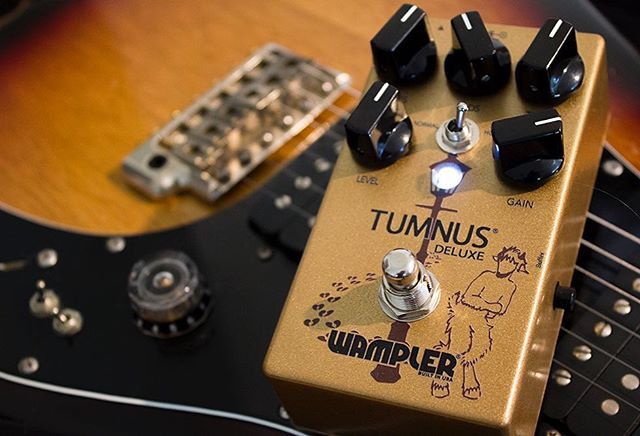
Most players treat fuzz as a rhythm thing — slam the front of a riff, let it bloom, move on. Fair enough. But some of the most singing, expressive lead tones ever recorded came from a fuzz pedal: Hendrix's sustained wail on 'Little Wing', Gilmour's breathy top-end on 'Comfortably Numb', Trower's elastic bends. That's not distortion doing that work. It's fuzz.
The problem is that fuzz leads, badly dialled, turn into a fizzing wall of indistinct noise — all sustain, no note. Getting it right takes a bit more thought than most people give it. I spent an afternoon last week at a mate's rehearsal room near Salford, sitting behind a tweed-style combo and going through four different fuzzes, and it reminded me how much the small adjustments matter.
Why fuzz behaves differently from overdrive for lead work
Overdrive compresses and clips the signal in a relatively controlled way. The peaks get shaved, you get harmonic content, but the fundamental note still punches through clearly. Fuzz is messier. A germanium or silicon circuit is running the signal hard into clipping — sometimes square-wave territory — which piles on upper harmonics and can bury the note underneath them.
That upper harmonic density is exactly what gives a fuzz lead its character. But it's also what kills definition if you're not careful. The goal is stacking enough sustain to hold a note through a phrase, without letting those harmonics spread into mush. Two things govern that balance: your fuzz level relative to your tone knob, and where the amp is sitting in its own gain structure.
This is one reason why how fuzz interacts with your guitar's volume and tone controls matters so much for lead playing specifically. Backing off the guitar volume even 10–15% cleans up the input signal to the fuzz, which tightens the clipping and brings the fundamental back. Try it. You lose very little sustain, and the note becomes a note again rather than a texture.
The amp side of the equation
Right then — the amp. This is where I'll probably disagree with half the internet. Lots of fuzz tutorials tell you to run a clean amp, full stop, because fuzz into a dirty amp gets uncontrollable. I'd push back on that. A completely clean, cold amp often strips the warmth out of a fuzz lead and leaves it sounding brittle and exposed.
What actually works, in my experience, is a valve amp sitting just below the edge of natural breakup — where the power valves are breathing a little but not driving. That bit of natural compression from the output section fills in behind the fuzz sustain, supports the decay of the note, and rounds off the rough edges without clouding the attack. It's the difference between a sustained note that blooms and one that just shrieks.
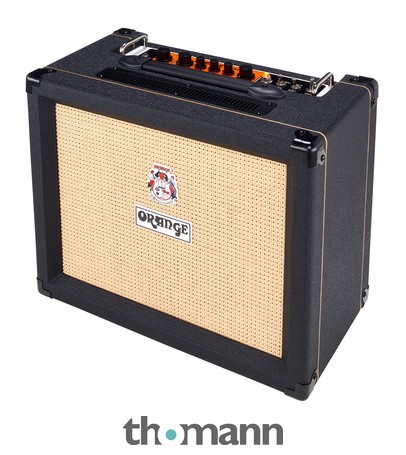
On a lower-wattage amp this is easy to achieve at giggable volume. The Orange Rocker 15 (check price) is genuinely excellent for this — the power reduction switch lets you find that sweet spot without disturbing the neighbours. The Vox AC15C1 (check price) is another good example; the EL84s compress naturally with a fuzz in front of them in a way that feels almost orchestrated.
Fuzz knob positions for lead tone
Counter-intuitively, maximum fuzz isn't usually where the best lead tones live. Cranking the fuzz control beyond about 70–80% on most circuits saturates the signal past the point where the amp's input stage can do anything useful with it. You end up with a flattened, compressed blob of harmonics.
For leads, I tend to set fuzz in the 55–75% range and make up the remaining thickness with the amp. The tone control on the pedal (if it has one) does a lot of heavy lifting here. Germanium circuits tend to have a natural warmth that lets you push the tone knob higher without harshness. Silicon fuzzes, which are brighter and more aggressive by nature — as covered in our circuit types explainer — often benefit from rolling the tone back slightly, somewhere around noon, to stop the upper mids from becoming abrasive during sustained bends.
Big Muff-style op-amp circuits are a different animal again. The Electro-Harmonix Big Muff Pi (check price) and its cousins have a pronounced mid scoop that works brilliantly for rhythm but can feel hollow under a lead line. If you're using a Muff for leads, consider running a clean boost or mild overdrive after it to push the mids back in. Even something simple like a Boss SD-1 (check price) set with the drive near zero and the level up does the job.
Sustain, pick attack, and playing into the pedal
There's a technique element here that gear alone can't solve. Fuzz responds to how hard you hit the string — harder attack drives more signal into the clipping stage, which increases harmonic density and sustain but also muddies the note onset. Lighter picking, particularly near the neck, lets the fundamental speak before the harmonics take over.
Gilmour's technique is the textbook example. He tends to pick relatively lightly even through heavy sustain pedals, which is why his lead lines have that clear, singing quality rather than a smeared, indeterminate fuzz texture. The sustain comes from the pedal and the amp working together; the definition comes from his pick attack.
Worth experimenting with picking position too. Bridge pickup, picked hard near the bridge = splatty, compressed, harmonically dense. Neck pickup, lighter attack, picked closer to the 12th fret = full, sustained, vowel-like. Most great fuzz lead tones are somewhere between those two, and finding your spot takes actual time with the specific pedal and guitar combination you're using. No shortcut there.
Pedal order around a fuzz for lead use
For lead playing specifically, I always put the fuzz first in the chain — before any other dirt. A boost or mild overdrive placed after the fuzz can be very effective for pushing leads over a band mix; it tightens the bottom end slightly and adds presence without losing the fuzz character. The other way around, boost into fuzz, changes the input signal and effectively turns the fuzz up, which is a different sound entirely (and a valid one for rhythm, but typically not what you want for a clear lead line).
A volume pedal after the fuzz is genuinely useful for live lead work. It lets you fade in sustained notes from silence for a violin-like effect, and it means you can back off between phrases without losing your fuzz setting or touching the amp. If you don't own one already, it's worth adding before you buy another overdrive.
For a broader look at what's available at various price points, our best fuzz pedals guide covers the main options across germanium, silicon and op-amp circuits.
A word on single-note clarity in the mix
One thing players don't always account for: what sounds clear in isolation can disappear in a band mix. Fuzz leads, particularly from mid-scooped circuits, often need the guitar's treble rolled slightly forward (tone control on the guitar, not just the pedal) to cut through a full band without going shrill. I know that sounds backwards — more treble to cut through, not more volume — but it's almost always true. The presence in the 2–4 kHz range is what the ear latches onto for note definition, and fuzz circuits can smear that range if the tone isn't pushed to compensate.
Anyway. There's no single correct fuzz lead setup — that's half the appeal. But getting deliberate about where your fuzz is set relative to your amp's gain structure, how hard you're hitting the string, and where your tone controls are sitting will get you a lot closer to a lead tone that actually sings rather than one that just buzzes.
Common questions
- What fuzz setting is best for lead tone?
- For most circuits, somewhere in the 55–75% fuzz range gives more definition than running it flat out. Maximum fuzz tends to over-saturate the signal and blur individual notes. Back it off slightly and let the amp carry some of the warmth and compression instead.
- Can I use a Big Muff as a lead pedal?
- Yes, but the mid scoop in most Big Muff-style circuits makes them naturally better suited to rhythm work. For leads, try running a clean boost or a low-drive overdrive after the Muff to push the midrange back in and help the note cut through a band mix.
- Should my amp be clean when using fuzz for leads?
- A completely cold, clean amp can make fuzz leads sound harsh and brittle. A valve amp sitting just below the threshold of natural breakup — where the power section is breathing slightly but not overdrivin — tends to support fuzz lead sustain far better, rounding off the decay without losing note clarity.
- Why does my fuzz lead tone sound good solo but disappear in the mix?
- Fuzz circuits, particularly mid-scooped op-amp types, can lose the 2–4 kHz presence range that helps notes cut through a full band. Try rolling your guitar's tone control slightly forward, or add a mild boost or overdrive after the fuzz to push the mids back up without altering the fuzz character itself.
Right then — I'm Jez, and I've spent the best part of 25 years chasing the same thing: a cranked British valve amp on the edge of breakup. Cut my teeth in smoky blues clubs around the North West, then spent a decade on the bench fixing other people's amps, which taught me more about tone than any pedal ever did. I'm a sucker for an EL34 power section and a bit of natural sag. I'll always tell you straight whether an amp's worth the money or whether you're paying for a badge.
Gigging blues-rock guitarist (25+ yrs) and former valve-amp tech
More from Jez
- How your amp's clean channel affects your overdrive pedal toneYour overdrive pedal doesn't work in isolation — the amp behind it shapes everything. Jez explains what the clean channel actually does to your dirt tone.
 How to use a speaker cabinet IR to make your DI tone sound like a real ampImpulse responses turn a flat DI signal into something that breathes like a real cabinet. Jez explains what IRs actually do, how to load them, and why most people get them wrong.
- Why your electric guitar goes out of tune when you bend stringsBends going sharp and not returning to pitch? Jez explains the real causes — nut slots, string trees, saddle friction — and how to sort them.
- Guitar pickup magnets explained: alnico vs ceramic and what they do to your toneAlnico or ceramic — the magnet inside your pickup shapes your tone more than most players realise. Jez breaks down what the science actually means for real playing.
- Guitar pickup wiring: what series, parallel and coil-split actually do to your toneSeries, parallel, coil-split — three wiring options on the same pickup, three completely different sounds. Jez breaks down what's actually happening inside the circuit.
- How volume knob technique changes the way your amp behavesRolling your guitar's volume knob isn't just about getting quieter. It's one of the most powerful tone controls on your whole rig — here's why.