Dreadnought vs OM vs parlour: acoustic body shapes explained
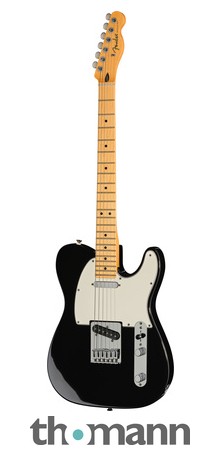
I'll be honest, most of my working life has been spent behind a valve amp, not an acoustic. But a few years back a mate asked me to help him pick his first "proper" acoustic for a folk session down at a pub near me, and I ended up spending a Saturday afternoon with four different body shapes leant against my knee, working out why they all felt so different in the hands despite having the same six strings. That afternoon taught me more about acoustic design than a decade of reading spec sheets ever did.
Body shape isn't a cosmetic choice. It's the single biggest factor in how an acoustic guitar responds, projects and sits in a mix, arguably more than the tonewood itself. Get the shape wrong for how you actually play and no amount of solid spruce is going to fix it.
Why dreadnought became the default
The dreadnought shape, developed by Martin around a century ago, is still the shape most beginners end up with, largely because it's what guitar shops stock in bulk. Big lower bout, square shoulders, a lot of air to move. That gives you strong low-end punch and volume without amplification, which is exactly why it became the go-to for strummers and flatpickers who needed to cut through a band with no microphone.
The tradeoff is that dreadnoughts can feel like a wardrobe against your body if you're smaller-framed, and the bass response can be a bit much for fingerstyle work where you want each note to sit separately rather than blooming into a wall of low end. Something like the Yamaha FG800 (check price) or the Epiphone DR-100 (check price) gives you that classic dreadnought voice at a sensible price, and honestly for strumming singer-songwriter material they're hard to argue with.
OM and grand auditorium: the compromise shape
Orchestra Model, or OM, shapes came about because players wanted something between the boom of a dreadnought and the delicacy of a parlour. Slightly narrower waist, smaller lower bout, and typically a longer scale length than a lot of parlour designs. The result is a more balanced frequency response, mids come forward, the bass doesn't dominate, and fingerpicked notes stay defined rather than smearing together.
This is the shape I'd point most intermediate players toward if they do a mix of strumming and picking. It's also just more comfortable for longer sessions, less bout digging into your ribs after an hour on the sofa. The Yamaha FS800 (check price) uses a similar concert-leaning shape and is a genuinely underrated stepping stone if you've outgrown a beginner dreadnought but aren't ready to spend big.
Parlour guitars: small body, surprising character
Parlour shapes go back further than dreadnoughts, small-bodied, narrow-waisted, designed for front rooms rather than stages. They're quiet compared to a dreadnought, there's no getting around that, but what they give up in volume they make up for in a kind of upfront, honky midrange character that recorded surprisingly well on old blues and folk records. Think early Delta blues recordings, that's largely a parlour or small-bodied guitar doing the talking.
I reckon parlours get unfairly written off as novelty guitars. They're brilliant for fingerstyle players who want note separation and don't need stage volume, and they're genuinely kinder on smaller hands and shorter arms. The Martin LX1 Little Martin (check price) is a proper example of this done well in a travel-sized package, not a toy.
Where mini and travel shapes fit in
Taylor's GS Mini deserves its own mention here because it doesn't fit neatly into the dreadnought/OM/parlour lineage. It's a scaled-down grand symphony body that somehow retains a lot of the low-end warmth you'd expect from a full-size guitar, which is a clever bit of design rather than an accident. The Taylor GS Mini Mahogany (check price) in particular has a woodier, warmer voice than its size suggests, and I've seen touring players keep one as a couch guitar or hotel-room writing tool for exactly that reason.
Matching shape to how you actually play
The mistake I see constantly, and I made this exact mistake advising my mate that Saturday before I'd properly thought it through, is choosing a body shape based on looks or what a favourite artist plays rather than technique. If you're mostly strumming chords in open positions for singer-songwriter stuff, a dreadnought's low-end push works with you. If you're fingerpicking Travis-style patterns or playing in a band with a bass player already covering the low end, that same dreadnought boom can actually work against the mix, and an OM or smaller-bodied guitar will sit better.
Body depth matters here too, not just the bout width. A deeper body (common on dreadnoughts and jumbos) tends to push more low-mid energy, while shallower bodies respond faster and brighter, which is part of why parlours feel so immediate under the fingers despite the smaller top area.
If you're just starting out and none of this feels intuitive yet, that's fine, most players work it out by trial and error over a year or two. Our beginner acoustic guide covers a spread of shapes at accessible prices, and it's worth trying a few in a shop before committing, even if that means an awkward hour with a sales assistant hovering nearby.
A word on scale length and string tension
Body shape doesn't act alone. Scale length changes string tension and feel too, longer scales (common on OMs and dreadnoughts) generally feel a bit stiffer under the fingers at standard tuning, while shorter scales feel looser and are often easier on hands still building calluses. It's a similar principle to what happens on electrics, where scale length shapes tuning stability and feel as much as pickups do, worth reading if you want the fuller technical picture.
None of this is really about one shape being "better". It's about matching the instrument's natural behaviour to what your hands and ears are actually asking it to do. Go and sit with a few different shapes if you can, properly sit with them, not just strum one chord and move on. You'll feel the difference in about thirty seconds once you know what you're listening for.
Common questions
- Is a dreadnought a good first acoustic guitar for a beginner?
- It can be, especially if you'll mostly be strumming, but smaller players or those leaning toward fingerstyle often get on better with an OM or concert-sized body from the start.
- Do parlour guitars sound bad, or are they just quieter?
- They're simply quieter and more midrange-focused, not worse. Unplugged they won't fill a room like a dreadnought, but through a mic or pickup they can sound excellent, especially for fingerstyle and blues.
- Does body shape matter as much as tonewood?
- In my experience, shape and bracing affect the fundamental character of the guitar more than the species of top wood does. Tonewood shapes the finer detail on top of that foundation.
- What body shape suits playing in a band with a bassist?
- Generally an OM, concert, or auditorium shape, since the tighter low end leaves room for the bass guitar rather than competing with it.
Right then — I'm Jez, and I've spent the best part of 25 years chasing the same thing: a cranked British valve amp on the edge of breakup. Cut my teeth in smoky blues clubs around the North West, then spent a decade on the bench fixing other people's amps, which taught me more about tone than any pedal ever did. I'm a sucker for an EL34 power section and a bit of natural sag. I'll always tell you straight whether an amp's worth the money or whether you're paying for a badge.
Gigging blues-rock guitarist (25+ yrs) and former valve-amp tech
More from Jez
- Why pickup magnet type changes how your valve amp breaks upAlnico and ceramic pickups push a valve amp's front end differently. Here's how magnet type shapes breakup, feel and sag, from a former amp tech.
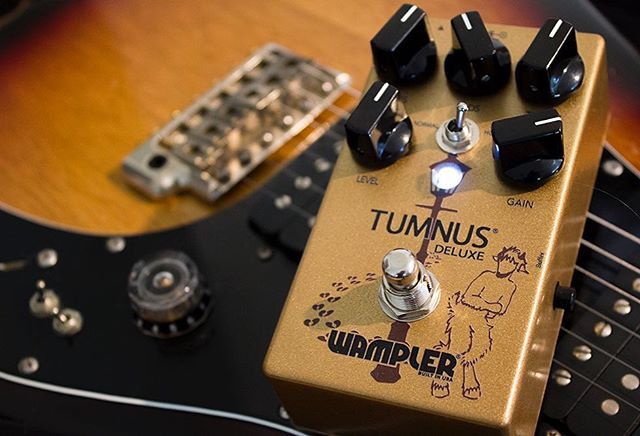 Clipping types explained: why diodes shape your drive pedal's feelSilicon, germanium, LED or asymmetrical — the clipping diodes in your overdrive decide how it feels under your fingers, not just how it sounds.
 Choosing between a dreadnought and an OM: a real-world guideDreadnought or OM? Jez breaks down how body shape actually changes feel, volume and tone, and which one suits your playing style.
- Where to put fuzz in your pedal chain (and why it moves)Fuzz pedal order isn't fixed like your other drives. Here's why it moves depending on your rig, and how to find the spot that actually works.
- Germanium vs silicon fuzz: which one suits your amp?Germanium and silicon fuzz behave completely differently through a valve amp. Here's how to pick the right one for your rig, not just your ears in a shop.
- Why fresh strings can make your valve amp sound worse, not betterNew strings aren't always the tone fix you think they are. Here's why a fresh set can clash with a cranked valve amp, and how to get both dialled in together.