
The Best Practice Amps for Home & Learning (2026)
By Rob · Updated 8 June 2026
Great-sounding amps for bedrooms, desks and small gigs — including the smart amps that actually help you practise.
A practice amp has a harder job than a stage amp: it has to sound good quietly, in a room where you can’t crank it. The good news is that modern modelling amps do this brilliantly, and some of them double as genuine practice tools that help you learn faster.
I recommend these to students constantly. I’ve ranked them by what you need — whether that’s the best all-rounder, the best learning features, or the best sound at whisper-quiet home volumes.
At a glance

| # | Product | Price | Rating | Best for | Buy |
|---|---|---|---|---|---|
| #1 | $269 | 4.5/5 | Excellent value | Amazon | |
| #2 | $299 | 4.5/5 | Brilliant practice features via the app | Amazon | |
| #3 | Yamaha THR10II Amps | $329 | 4.5/5 | Superb low-volume tone | Amazon |
| #4 | $169 | 4.0/5 | Excellent value | Amazon | |
| #5 | $199 | 4.0/5 | Wide stereo sound | Amazon |
Affiliate links — as an Amazon Associate and partner of Sweetwater / Thomann / Reverb / others, we may earn a commission at no extra cost to you.
#1 · Best overall
Boss Katana-50 MkII
Rating: 4.5 / 5
The easiest amp recommendation we make: genuinely good tones, real effects, quiet-practice power control, and loud enough for a small gig.
#2 · Best for learning
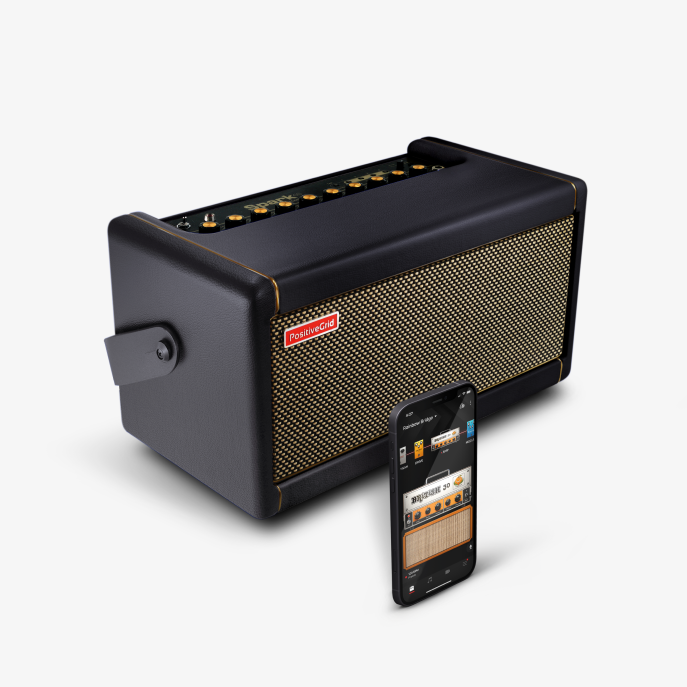
Positive Grid Spark 40
Rating: 4.5 / 5
Built around an app that plays along, generates backing tracks and shows chords — a practice partner, not just an amp.
#3 · Best for home & desktop
Yamaha THR10II
Rating: 4.5 / 5
Sounds gorgeous at low volume, looks like a radio, runs on batteries and streams music. The amp you actually leave switched on.
#4 · Best budget
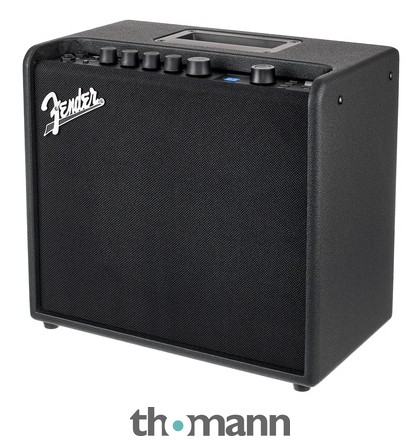
Fender Mustang LT25
Rating: 4.0 / 5
Simple, cheap and good, with genuine Fender clean tones and no app required. The value pick.
#5 · Best stereo sound
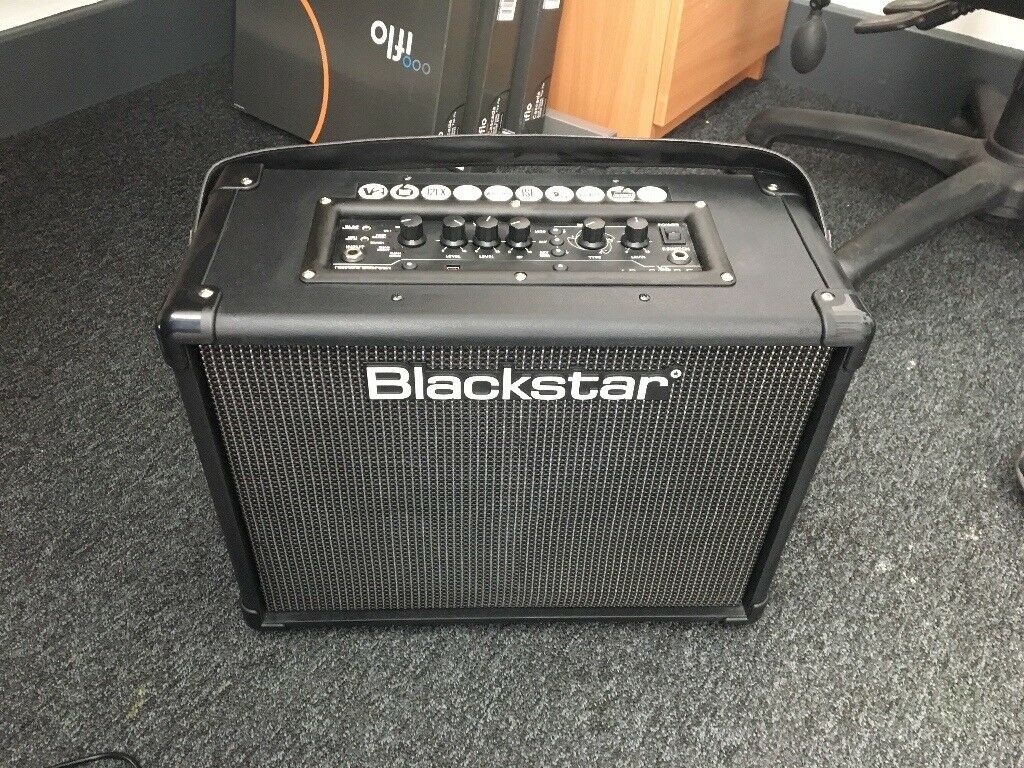
Blackstar ID:Core 20 V4
Rating: 4.0 / 5
Stereo speakers and Blackstar’s clever ISF tone control make it sound bigger than its footprint for the money.
How we chose
We judged these on how good they sound at realistic home volumes (where a lot of amps fall apart), then features and ease of use, then value and how far they’ll take you toward a small gig. Wattage numbers can mislead with modelling amps — a well-voiced 20–40W combo is plenty for home and often for a small room.
Common questions
- How many watts do I need for a practice amp?
- For home, 10–40 watts of modelling combo is plenty — these are voiced to sound full at low volume. The Boss Katana-50 has enough headroom to keep up with a drummer for small gigs; pure desktop amps like the THR10II are home-only.
- Modelling amp or a small valve amp?
- For practice, a modelling amp wins: it gives you many tones, built-in effects and often quiet-practice features, and it sounds good low. Small valve amps can sound fantastic but usually need volume to shine, which is the opposite of what a practice amp needs.
- Do I need the app?
- Not for the Katana or Mustang — they sound great straight out of the box. The Spark’s best learning features do rely on its app, which is part of what makes it such a good practice tool.
About the author
R
Rob
Beginner Gear & Teaching Editor · Brisbane, AU
I'm Rob, and I've taught guitar for over fifteen years — which means I've watched hundreds of beginners buy the wrong thing because someone baffled them with jargon. So that's my job here: cut through it. I genuinely love good budget gear, the kind that punches way above its price and actually keeps a new player playing. I'll tell you in plain English what matters, what doesn't, and what's a waste of your first hundred quid. No snobbery, no gatekeeping — just honest help getting started right.
Guitar teacher (15+ yrs); beginner and budget-gear specialist