Sheildon
Sheildon here. I'm a bass player, funk and soul mostly, so for me it always comes back to one thing: the pocket. I've spent years in session rooms learning that the best low-end isn't the loudest — it's the note that lands in exactly the right place and just sits there, fat and easy. I get geeky about pickups, string tension and how an amp reproduces the fundamental, but I never lose the groove. Give me something that makes me want to lock in with the kick drum and I'm a happy man.
40 published articles · most recent October 7, 2026
Sheildon here. I'm a bass player — funk and soul mostly — so for me it always comes back to one thing: the pocket.
I've spent years in session rooms learning that the best low-end isn't the loudest. It's the note that lands in exactly the right place and just sits there, fat and easy.
I get geeky about pickups, string tension and how an amp reproduces the fundamental — but I never lose the groove. Give me something that makes me want to lock in with the kick drum and I'm a happy man.
Articles by Sheildon
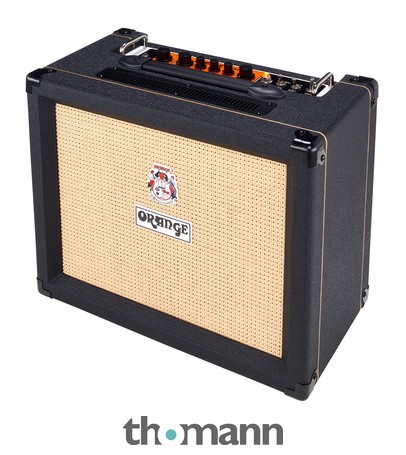 Bass through a guitar amp: why it never quite worksPlugging bass into a guitar amp seems harmless until the speaker starts farting out. Here's the actual physics of why it struggles, and what to do about it.
- Why a bass amp's wattage number lies to youWatts on a bass amp don't mean what they mean on a guitar amp. Here's why headroom, speaker size and valve vs solid-state design matter more than the number.
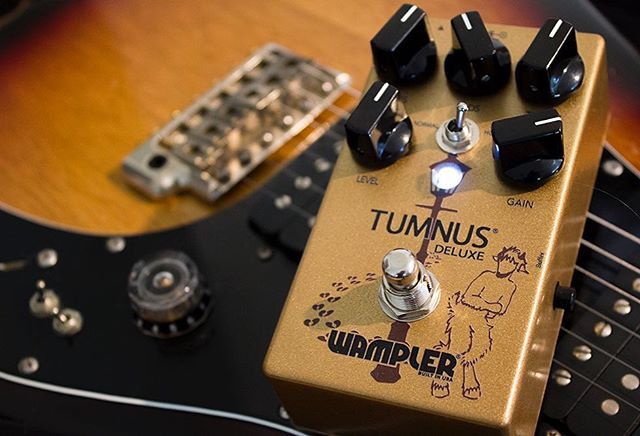 Bass fuzz without the mud: how to keep low end under gainMost fuzz pedals were voiced for guitar and strip your bass of fundamental. Here's how to pick, blend and EQ fuzz so the low end survives.
- Muting technique for bass: why your left hand controls the pocketGood bass tone starts with what you stop ringing, not what you play. Here's how left-hand muting shapes the pocket more than any pedal or EQ setting.
- How acoustic body shape changes the low end you actually hearA bass player's take on why dreadnoughts, jumbos and smaller-bodied acoustics throw the fundamental differently, and what that means when you're picking one.
- Bass string gauge and pickup output: matching the two properlySwapping to heavier bass strings without checking pickup output leaves you fighting your own tone. Here's how gauge, pole spacing and output actually interact.
- Stacking two overdrives on bass: how to do it without mudTwo overdrives on a bass board can thicken your tone or bury your pocket. Here's how to stack them so the low end stays intact.
- Overdrive pedals for bass: why most of them ruin your low endMost overdrive pedals are designed for guitar and eat your fundamental. Here's how bass overdrive actually works, and how to keep the pocket while adding grit.
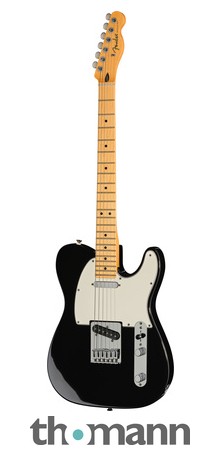 Bass pickup types explained: P, J, and humbucker tone differencesSplit-coil, single-coil J, or humbucker: how each bass pickup shapes your pocket, and which one actually suits the gig you play.
- Setting bass intonation properly: why the 12th fret check isn't enoughA proper bass intonation setup goes past the standard 12th fret check. Here's how I actually dial mine in, and why the pocket depends on it.
- Flatwound vs roundwound bass strings: why the fight is really about the pocketFlatwound or roundwound bass strings isn't about brightness alone. It's about attack, sustain and how your note sits in the mix.
- Acoustic body shapes for low-end: why some acoustics thump and others don'tA bassist's take on acoustic guitar body shapes and why dreadnoughts, jumbos and parlours produce such different low-end.
- Fuzz for bass: why most pedals fall apart below the E stringMost fuzz pedals are voiced for guitar and lose the low end on bass. Here's why, and how to pick or set one that keeps the fundamental intact.
- Electric guitar neck pickups and why they matter for the low endA bass player's take on why the neck pickup shapes your guitar's low-end fundamental, and how to dial it in without going muddy.
- Practising with a metronome on bass: why subdivisions matter more than tempoCranking the BPM isn't the point. Sheildon breaks down why practising subdivisions on bass builds the pocket that actually gets you booked.
- Electric guitar pickup height and why it changes your low-end more than EQPickup height adjustment shapes bass response more than most EQ knobs. Here's how to set it so your low strings stay tight, not flabby.
- Bass amp wattage explained: why your rig needs more headroom than guitarBass wattage isn't guitar wattage. Here's why low end eats power, and how much headroom you actually need to keep the pocket solid at gig volume.
- Analog vs digital delay and reverb: what actually changes for bassAnalog and digital time-based effects treat low frequencies very differently. Here's what actually happens to your fundamental, and how to set either up without losing the pocket.
- Right hand technique for bass: why your plucking hand decides your toneYour pickups and pedals matter less than where and how you pluck. Sheildon breaks down right-hand technique and why it shapes tone more than gear.
- Octave fuzz on bass: the classic sound and why it's so easy to get wrongOctave fuzz gave us some of the most iconic bass tones ever recorded. Here's why it works, why it often doesn't on bass, and how to fix it.
- Bass overdrive EQ: why your grit needs a different curve than a guitar'sBass overdrive falls apart when you copy a guitarist's EQ curve. Here's how to shape gain pedals so the low end survives the dirt.
- Blending fuzz with clean bass: the parallel path that actually keeps your low endA parallel blend keeps your fundamental intact while fuzz does its thing on top. Here's how I wire it and set the balance.
- Fuzz pedal order for a bass and guitar rig sharing the same fuzzSharing one fuzz between bass and guitar? Where you put it in the chain changes everything below the octave. Here's what actually works.
- Setting up a wet/dry rig for bass ambient tones without losing the low endA practical guide to running delay and reverb on bass in a wet/dry split, so your ambience stays wide without swallowing the fundamental.
- Bass setup basics: relief, action and intonation for a proper pocketA proper bass setup isn't about low action for its own sake. Sheildon breaks down relief, action and intonation and how they work together for the pocket.
- Bass pickup types explained: single-coil, humbucker and split-coil comparedSingle-coil, humbucker or split-coil: how each bass pickup type actually shapes tone, hum and pocket, from someone who gigs all three.
- Muting technique on bass: why your left and right hand both matterBass muting technique isn't just about quiet strings — it shapes note length, groove and how your rig actually needs to sound.
- Fuzz on bass: why most fuzz pedals fall apart below EMost fuzz circuits were voiced for guitar and lose the low end on bass. Here's why, and which styles actually hold the fundamental.
- Analog vs digital delay and reverb: what actually changes for bassAnalog or digital delay and reverb for bass — the real differences in low-end clarity, tracking and mix space, not just marketing copy.
- Bass string gauge and tension: why heavier isn't always fatterBass string gauge changes tension, feel and fundamental more than most players expect. Here's how to pick a set that actually sits in the pocket.
- Delay and reverb on bass: why less is usually moreAmbient bass tones can work live and in the studio, but only if delay and reverb are set up to protect the low end. Here's how I do it.
- Overdrive and distortion pedals on bass: what actually worksMost overdrive pedals were designed for guitar. Here's what happens when you plug a bass into them — and how to get dirt that still locks in the pocket.
- Bass pickup height: how small adjustments shape your tone and dynamicsPickup height is the most overlooked setup variable on a bass. Sheildon breaks down what moving them up or down actually does to your tone, output and feel.
- How a guitar amp's speaker affects your bass tone when you're DI-ingRunning bass through a guitar amp? Here's what the speaker cabinet is actually doing to your low end — and how to work with it, not against it.
- How walking basslines train your ear — and what that means for your gearWalking basslines aren't just a jazz exercise. They sharpen your pitch awareness and sense of pocket in ways that directly shape the gear you reach for.
- Acoustic guitar tonewoods for the body: back and sides explainedBack and sides tonewoods shape an acoustic's character more than most players realise. Here's what each species actually does to your sound.
- Acoustic guitar neck profiles explained: how shape and depth affect feel and playabilityC, V, U — acoustic neck profiles change how your hand sits, how long you can play, and whether a guitar feels like yours. Here's what to know before you buy.
- Fuzz pedal circuit types explained: germanium, silicon and op-ampSheildon breaks down the three main fuzz circuit types — germanium, silicon and op-amp — so you can choose the right dirt for your tone.
- Muting technique on bass: how deadening strings shapes your tone and gearRight-hand and left-hand muting define the feel of a bass line more than almost any other technique. Here's how to use both — and what they reveal about your setup.
- Acoustic guitar nut and saddle materials: what they actually do to your toneBone, tusq, synthetic, brass — the nut and saddle on your acoustic do more work than most players realise. Here's what the material choices actually mean.