Analog vs digital delay and reverb: what actually changes for bass
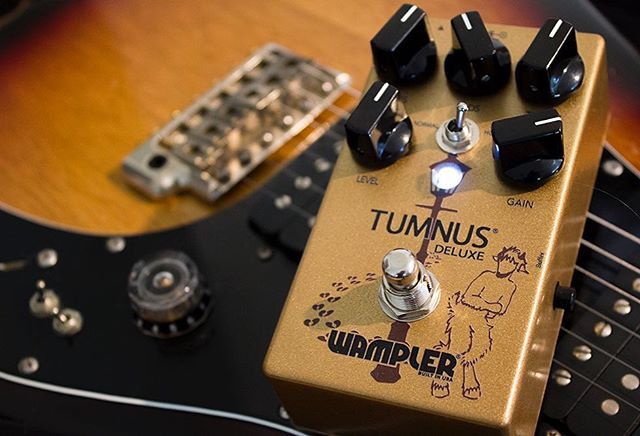
Last month a student of mine turned up with a Deluxe Memory Man and asked why his low B string turned to mud the second he switched it on. Nothing wrong with the pedal. Everything to do with where the low end sits in a mix, and what analog circuits actually do to a fundamental that's already fighting for space. That's the real question with bass: not which delay or reverb sounds nicer in isolation, but which one lets your note still be a note by the time it hits someone's chest.
I've been the low-end guy in enough session rooms to have a fairly settled view on this, and it's less romantic than the analog-versus-digital debate usually gets. The short version: analog circuits generally roll off highs and can smear the fundamental slightly, which sometimes helps bass and sometimes ruins it. Digital delay and reverb keep the fundamental intact but can sound sterile if you're not careful with wet/dry balance. Neither is "better." They do different jobs.
Why analog delay and reverb behave differently on bass than on guitar
Guitarists chase analog delay for the darkened repeats — that warm, degraded, slightly-underwater quality you get from something like the MXR Carbon Copy or the EHX Deluxe Memory Man. On a guitar's frequency range that darkening is flattering. It softens harshness and sits nicely behind a vocal.
On bass it's a different equation. Your fundamental is already down low, often below 200Hz for a lot of what you play. Feed that into an analog bucket-brigade circuit and the repeats can lose so much definition that they turn into a low rumble rather than a discernible echo. It's not broken, it's just physics — BBD chips were never designed with a five-string B string in mind. If you want delay repeats you can actually hear as pitched information rather than mush, you generally need either a shorter delay time, a high-pass filter on the wet signal, or a digital unit that preserves more top end in the repeats.
Where analog actually wins for bass
I'm not anti-analog on bass, to be clear. For subtle slapback or a single soft repeat sitting well under the dry signal, an analog circuit's natural rolloff can be exactly right — it keeps the repeat from competing with the note you just played. Think one warm ghost note behind a held root, not a rhythmic pattern. That's the context where the "smearing" people worry about actually works in your favour, because you want the repeat to disappear into the room rather than announce itself.
Reverb is similar. A spring-style reverb, the kind you'd get from something like the Strymon Flint or even just an amp's built-in spring tank, adds a bit of grit and looseness that can flatter a P-Bass through a bigger cab. It's not accurate. It's flattering, which is a different thing and often the more useful one live.
Where digital earns its keep
For anything rhythmic, anything with a clear delay time locked to tempo, or any ambient pad-like reverb where you need the wet signal to have real harmonic content, digital wins for bass. A Boss DD-8 or a Strymon TimeLine will give you repeats that stay tight and readable even down at 80Hz, because the circuit isn't degrading the signal on every pass. If you're building an ambient bass part — say, a held note with a long reverb tail underneath a sparse verse — you want that tail to have shimmer and detail, not a hazy low-frequency wash that just adds noise. Something like a Walrus Audio Slö or a TC Electronic Hall of Fame 2 will hold pitch information far better in that register than most spring or plate emulations built with guitar in mind.
The other digital advantage is control. Modern digital reverb and delay units give you a high-pass filter on the wet path as standard, which for bass is not optional, it's essential. Rolling off everything below 150-200Hz on your wet signal keeps your low end from turning into a swamp while still letting the shimmer and air come through on top. I'd go as far as saying if your reverb pedal doesn't have some kind of tone or damping control, it's the wrong tool for bass regardless of analog or digital pedigree.
Settings that actually work in a mix
My starting point for ambient bass textures, and I'll admit this took years of gig disasters to arrive at: wet signal blended low, somewhere around 15-20% rather than the 40-50% a guitarist might run. High-pass the wet path hard, cut it much more than feels natural in a quiet room, because a loud stage or a full mix eats low-mid clutter fast. Keep delay feedback low, one or two repeats rather than a cascading wash, unless you're deliberately building a pad and have a drummer who isn't relying on your pocket in that section.
I'd argue most bass players over-reverb at home and then get swallowed the moment a full band comes in. It sounds gorgeous solo through headphones and disappears entirely once there's a kick drum and a guitar doing anything. Test everything with the band, not alone — that's not a nice-to-have, it's the only way to know if a setting actually works.
A quick word on the fundamental
Whatever pedal you land on, the number one job is protecting your fundamental. Room mics, PA systems and cheap monitors all reproduce low frequencies unevenly, and adding a smeared or muddy repeat on top of an already-compromised fundamental just compounds the problem. This is the same principle behind our piece on why less delay and reverb is usually more on bass — worth reading alongside this one, because the analog/digital choice only matters once you've already decided how much wet signal you actually need, which for most bass parts is not much.
If you're shopping, I'd point you at our best delay pedals and best reverb pedals guides for the current picks, and specifically look at units with a dedicated high-pass or tone control on the wet path rather than judging purely on analog-vs-digital marketing. The Boss DD-8 (check price) and Strymon TimeLine (check price) both handle low frequencies cleanly if you want tempo-locked, readable repeats; the EHX Deluxe Memory Man (check price) is still my pick when I want one warm, disappearing slapback rather than a feature.
Groove first, ambience second. Always has been the rule in the room, and it doesn't change just because there's a new pedal on the board.
— *Sheildon, Bass & Low-End Editor*Common questions
- Should I use analog or digital delay for a bass solo with a long tail?
- Digital, generally. Analog circuits lose top-end detail on repeats which makes fast or melodic bass lines harder to follow. Save analog warmth for slower, sparser parts.
- Does reverb make a bass sound muddier live?
- It can, if the wet signal isn't high-passed. Cut everything below 150-200Hz on the wet path and keep the mix low, especially in a full band context with drums and guitar.
- Is spring reverb good for bass?
- In small doses, yes — it adds a flattering grit on something like a P-Bass through a big cab. It's not accurate to the input signal, but accuracy isn't always the goal live.
- How much delay feedback should I run on bass?
- Usually one or two visible repeats rather than a cascading wash. High feedback settings work for ambient pads but will clutter up anything with an active drummer and a busy arrangement.
Sheildon here. I'm a bass player, funk and soul mostly, so for me it always comes back to one thing: the pocket. I've spent years in session rooms learning that the best low-end isn't the loudest — it's the note that lands in exactly the right place and just sits there, fat and easy. I get geeky about pickups, string tension and how an amp reproduces the fundamental, but I never lose the groove. Give me something that makes me want to lock in with the kick drum and I'm a happy man.
Funk and soul session bassist; groove and low-end specialist
More from Sheildon
- Fuzz on bass: why most fuzz pedals fall apart below EMost fuzz circuits were voiced for guitar and lose the low end on bass. Here's why, and which styles actually hold the fundamental.
 Bass string gauge and tension: why heavier isn't always fatterBass string gauge changes tension, feel and fundamental more than most players expect. Here's how to pick a set that actually sits in the pocket.
- Delay and reverb on bass: why less is usually moreAmbient bass tones can work live and in the studio, but only if delay and reverb are set up to protect the low end. Here's how I do it.
- Overdrive and distortion pedals on bass: what actually worksMost overdrive pedals were designed for guitar. Here's what happens when you plug a bass into them — and how to get dirt that still locks in the pocket.
- Bass pickup height: how small adjustments shape your tone and dynamicsPickup height is the most overlooked setup variable on a bass. Sheildon breaks down what moving them up or down actually does to your tone, output and feel.
- How a guitar amp's speaker affects your bass tone when you're DI-ingRunning bass through a guitar amp? Here's what the speaker cabinet is actually doing to your low end — and how to work with it, not against it.