The Best Fuzz Pedals (2026)
By Martin · Updated 9 June 2026
From wall-of-sound sustain to gated chaos — the fuzz pedals we'd actually put on our boards, ranked for every style and budget.
Fuzz is the oldest and wildest of the dirt pedals — it clips your signal so hard the waveform almost turns square, giving that thick, woolly, gloriously unruly texture. But "fuzz" covers a huge range, from singing sustain to spitty, gated mayhem.
I''ve spent more time (and money) on fuzz than is sensible, so this guide sorts the genuinely great from the merely loud. I''ve grouped them by what they''re actually for, because the best fuzz depends entirely on whether you want creamy sustain, vintage Hendrix tones, or something that sounds like a robot falling downstairs.
At a glance


| # | Product | Price | Rating | Best for | Buy |
|---|---|---|---|---|---|
| #1 | $99 | 4.5/5 | Massive sustain and size | Amazon | |
| #2 | $129 | 4.5/5 | Classic Hendrix-style fuzz | Amazon | |
| #3 | $112 | 4.5/5 | Fat, dark, heavy voicing | Amazon | |
| #4 | Z.Vex Fuzz Factory Pedals | $200 | 4.0/5 | Utterly unique sounds | Amazon |
| #5 | Boss FZ-5 Fuzz Pedals | $115 | 4.0/5 | Three classic fuzz voices | Amazon |
Affiliate links — as an Amazon Associate and partner of Sweetwater / Thomann / Reverb / others, we may earn a commission at no extra cost to you.
#1 · Best overall
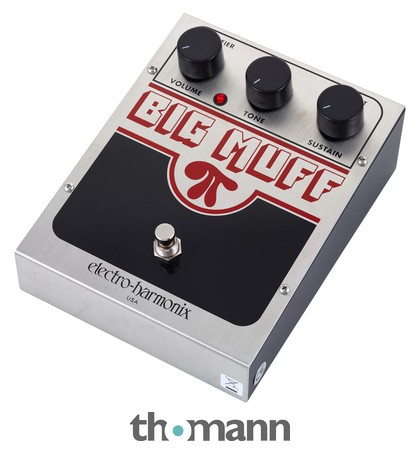
Electro-Harmonix Big Muff Pi
Rating: 4.5 / 5
The most famous fuzz ever made — huge, sustaining, wall-of-sound dirt that has powered countless classic records, and still cheap.
#2 · Best vintage
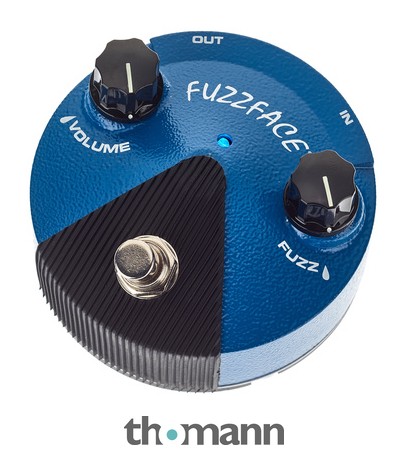
Dunlop Fuzz Face Mini Silicon
Rating: 4.5 / 5
The Hendrix sound in a pedalboard-friendly size, with that magical clean-up from your guitar''s volume knob.
#3 · Best for doom & stoner
Electro-Harmonix Green Russian Big Muff
Rating: 4.5 / 5
A darker, fatter, bassier Muff that sits perfectly under detuned, sludgy riffs without getting fizzy.
#4 · Best for experimentation
Z.Vex Fuzz Factory
Rating: 4.0 / 5
Five knobs of glorious chaos — gated, oscillating, synth-like textures nothing else can make.
#5 · Best versatile/budget
Boss FZ-5 Fuzz
Rating: 4.0 / 5
Three classic fuzz voices in one bulletproof Boss box — the easy, no-fuss way into fuzz.
How we chose
Every pedal here is one we''ve spent real time with. We weighted character and musicality first, then how well each plays with the rest of a board (fuzz can be famously fussy about pedal order), then build and value. Fuzz is personal — read the notes and pick the flavour that matches your music.
Common questions
- What''s the difference between fuzz and distortion?
- Fuzz clips the signal far more extremely than distortion, producing a thicker, woollier, often less controlled texture. Distortion is tighter and more focused. Many players run both for different jobs.
- Why won''t my fuzz play nicely with other pedals?
- Many vintage-style fuzzes (especially Fuzz Faces) want to see your guitar''s pickups directly, so a buffer or wah in front can make them sound thin or harsh. Try putting fuzz first in the chain.
- What''s a good first fuzz pedal?
- The Electro-Harmonix Big Muff Pi or the Boss FZ-5 are both excellent starting points — the Muff for huge sustain, the FZ-5 for versatility and ease of use.
About the author
M
Martin
Pedals & Effects Editor · Bristol, UK
I'm Martin, and I have a problem (it's pedals). I play ambient and post-rock — big washes of reverb, delays into delays, the kind of pedalboard that needs its own roadie — so effects are where I live. I love going down the rabbit hole on a circuit: what's the buffer doing, how does it stack, what happens at the extremes of the knobs nobody dares turn? My reviews tend to wander, because that's how you actually find the magic in a box. I'll always show you the weird, useful corners.
Ambient/post-rock guitarist and lifelong pedal collector