Martin
I'm Martin, and I have a problem (it's pedals). I play ambient and post-rock — big washes of reverb, delays into delays, the kind of pedalboard that needs its own roadie — so effects are where I live. I love going down the rabbit hole on a circuit: what's the buffer doing, how does it stack, what happens at the extremes of the knobs nobody dares turn? My reviews tend to wander, because that's how you actually find the magic in a box. I'll always show you the weird, useful corners.
40 published articles · most recent October 5, 2026
I'm Martin, and I have a problem (it's pedals). I play ambient and post-rock — big washes of reverb, delays into delays, the kind of pedalboard that needs its own roadie — so effects are where I live.
I love going down the rabbit hole on a circuit: what's the buffer doing, how does it stack, what happens at the extremes of the knobs nobody dares turn?
My reviews tend to wander, because that's how you actually find the magic in a box. I'll always show you the weird, useful corners.
Articles by Martin
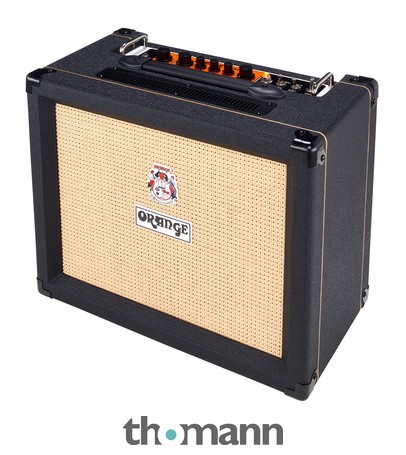 Why your picking hand decides whether your pedalboard sounds goodYour pedals react to how you pick, not just how you set the knobs. Here's how picking dynamics shape fuzz, delay and reverb response.
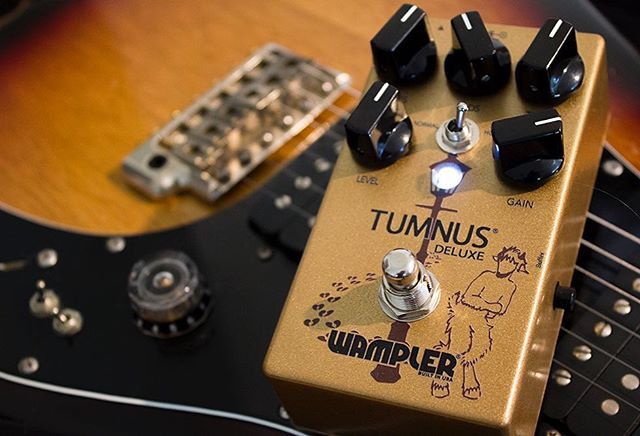 Running an acoustic into ambient pedals without it falling apartWhy ambient pedal chains that sound gorgeous on electric often turn an acoustic-electric to mush, and the signal-chain fixes that actually work.
- Tap tempo technique: getting your delay actually in timeTap tempo looks simple until you're doing it live. Here's how to actually land your delay in time, from foot placement to subdivision traps.
- Preamp pedals on an acoustic-electric: when they help and when they don't
- Putting an overdrive before your ambient chain: why gain goes firstWhere you put your overdrive relative to delay and reverb changes everything. Here's why gain almost always wants to go first, and when it doesn't.
- Running an acoustic-electric into pedals: what actually survives the tripReverb and delay behave differently on an acoustic-electric than on your electric board. Here's what actually holds up, and what falls apart, piezo to pedal.
- Running pedals into an amp-sim: why your board doesn't translate straight to DIWhy your pedalboard sounds different through an amp-sim than a real amp, and how to reorder your chain so it actually translates when recording direct.
- Why pickup output changes how your fuzz and drive pedals behavePickup output shapes how fuzz and overdrive pedals respond at the input stage, not just how loud your guitar is. Here's why that matters.
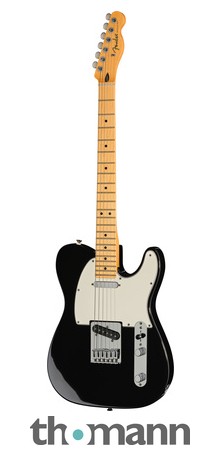 Why an electric guitar's output jack can quietly wreck your toneA loose or corroded output jack causes crackle, dropouts and dull tone that gets blamed on pickups or pedals. Here's how to spot it and fix it.
- Why fuzz cleans up differently depending on the circuitRolling back your guitar's volume knob cleans up some fuzz pedals beautifully and does almost nothing on others. Here's why, circuit by circuit.
- Expression pedal technique: why most players just set and forget itMost players wire an expression pedal, set a fixed sweep and never touch it again. Here's why treating it as a live control changes everything.
- What an overdrive's clipping diodes actually do to your toneSilicon, germanium, LED or asymmetrical? A look inside your overdrive's clipping stage and why the diode choice shapes the feel under your fingers.
- Where to put fuzz in your chain when you're also running delay and reverbFuzz behaves differently before and after modulation and time-based effects. Here's how pedal order actually changes the wash, and why the "rules" break on purpose.
- Why your setup ruins your pedals before they even get a chanceBad action and intonation don't just hurt your playing. They mess with your pedals in ways most players never trace back to the source.
- How pickup selector switching actually shapes your pedal chainYour pickup selector changes impedance and output before a single pedal sees the signal. Here's why that matters for gain staging and tone.
- Tap tempo technique: why your foot timing matters as much as the pedalTap tempo delay only sounds right if your tapping does. Here's how sloppy foot timing quietly wrecks ambient and post-rock rigs, and how to fix it.
- Effects loop vs front of amp: where your pedals actually belongFront of amp or effects loop? Here's what actually changes when you move your delay and reverb, and why it matters more with a valve amp than a modeller.
- Knob-riding: why your volume and expression pedal technique shapes toneYour volume pot and expression pedal aren't just on/off switches. Here's how riding them properly changes gain, swell and touch dynamics.
- Silicon, germanium or muff: how to actually pick a fuzz styleFuzz Face, Tone Bender or Big Muff? Here's how the three main fuzz circuit families actually differ, and which one suits your rig.
- Buffered vs true bypass: what your pedalboard is actually doing to your toneBuffered vs true bypass explained properly: how cable capacitance kills your highs, where buffers help, and where too many actually hurt your tone.
- Amp-sim IR loading explained: why the wrong cab file ruins a good toneImpulse responses make or break amp-sim tone at home. Here's what an IR actually does, and why swapping cab files matters more than any amp model.
- Why your amp's effects loop matters more than you thinkWhat an amp's effects loop actually does, why it changes how delay and reverb behave, and when front-of-amp is still the right call.
- Recording pedals direct: why your ambient chain needs a DI planTracking wet, delay-drenched pedal chains direct? Here's how to DI properly so your reverb tails survive mixing instead of turning to mud.
- Where gain pedals actually clip: why the order changes your toneOverdrive and distortion pedals clip your signal in different places and different ways. Understanding where changes how you stack and order them.
- Gating fuzz with your guitar's volume knob: the cleanup trick explainedRolling back your guitar's volume knob can turn a fuzz pedal from wall-of-noise into a clean, dynamic voice. Here's why that trick works and when it doesn't.
- Wiring mods on electric guitars: what a coil split actually changesCoil splits and taps promise single-coil tones from a humbucker. Here's what actually happens to your signal, and why it's rarely a true swap.
- Running pedals through an acoustic-electric: what actually worksPiezo pickups react to pedals very differently to magnetic ones. Here's what actually holds up on an acoustic-electric board, and what falls apart fast.
- Coated vs uncoated strings: what you're actually trading offCoated strings last longer but can dull your tone and feel different under the fingers. Here's what actually changes, and who should bother.
- Guitar cables and capacitance: why your lead is quietly eating your toneLong or cheap guitar cables roll off high end before your signal even reaches the amp. Here's the actual electronics, and when it matters.
- How truss rod adjustments actually affect your guitar's playabilityThe truss rod isn't just for fixing a bowed neck — it shapes feel, action and intonation across the whole fretboard. Here's what's actually happening when you turn it.
- How swell and volume-swell technique changes what you need from reverb and delayVolume swells aren't just a playing trick — they fundamentally change how reverb and delay pedals behave. Here's what to look for in your effects chain.
- Guitar string winding types explained: roundwound, flatwound and halfwoundRoundwound, flatwound, halfwound — string winding affects tone, feel and how your pedals respond. Martin explains what's actually going on.
- How fuzz pedals interact with your guitar's volume and tone controlsFuzz pedals respond to your guitar's controls in ways overdrive and distortion don't. Here's what's actually happening in the circuit, and how to use it.
- Acoustic guitar top woods explained: what spruce, cedar and mahogany actually doSpruce, cedar, mahogany — the soundboard wood shapes everything about how an acoustic guitar responds. Here's what each actually does to your tone.
- Fuzz into overdrive vs overdrive into fuzz: does the order actually matter?Stack a fuzz and an overdrive and the order matters enormously. Martin breaks down what each combination actually does to your tone.
- How looping practice changes what you want from your effects pedalsRegular looper use rewires how you hear your own playing — and quietly exposes every weakness in your effects chain. Here's what it taught me.
- How clipping works in overdrive and distortion pedalsHard clipping, soft clipping, asymmetric clipping — what's actually happening inside your dirt pedal, and why it changes how your tone feels.
- How your picking dynamics interact with effects pedals (and why technique changes everything)The way you pick doesn't just shape your dry tone — it fundamentally changes how every pedal on your board behaves. Here's what to listen for.
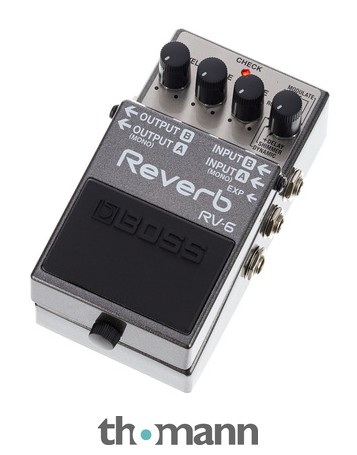 Reverb Types Explained: Spring, Hall, Plate and BeyondSpring, room, hall, plate, shimmer — what the reverb modes on your pedal actually do, and when to reach for each.
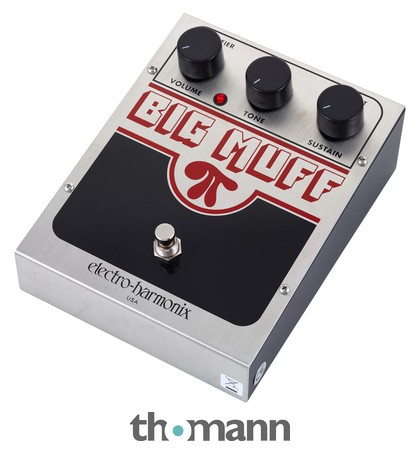 What Is a Fuzz Pedal? Big Muff vs Fuzz Face ExplainedThe oldest dirt sound in rock, demystified — what fuzz actually does, and how the two great fuzz families differ.