Why an electric guitar's output jack can quietly wreck your tone
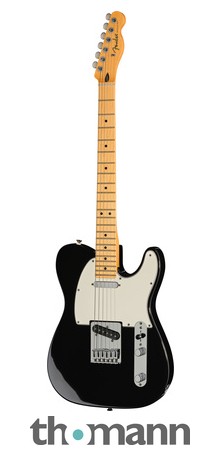
Last month a mate brought a Strat round to my place convinced his pickups were dying. Crackly, intermittent, dull on the bridge position. Twenty minutes later the "problem" was a jack nut that had worked itself loose over years of cable-yanking, letting the whole input jack assembly rotate inside the body cavity every time he plugged in. Fifteen minutes with a screwdriver and a soldering iron and it was sorted. No new pickups required.
I bring this up because the output jack is the least glamorous part of an electric guitar and also, in my experience fixing boards and guitars for other people, one of the most common sources of tone complaints that get misdiagnosed as something expensive. Everyone obsesses over pickup height, pot values, capacitor types. Meanwhile the jack, a component that costs a couple of dollars and gets more physical abuse than anything else on the guitar, quietly degrades and nobody thinks to check it.
Why the output jack takes such a hammering
Every time you plug in, unplug, coil a cable around the strap button, or lean the guitar against an amp at an angle, you're putting mechanical stress through that jack. Unlike a pot or a pickup, which just sits there doing its job, the jack is a moving-parts connector that gets physically stressed dozens of times a session. The two contacts inside, tip and sleeve, are spring-loaded metal tabs that need firm, clean contact with the plug to pass signal properly. Loosen the retaining nut, and the whole barrel can spin inside the cavity, twisting the wiring and eventually fatiguing the solder joints until they crack.
On a lot of import guitars, the stamped-metal jack plates and the jacks themselves are the cheapest component on the whole build. I've opened up guitars in a similar price bracket to the Squier Sonic Stratocaster (check price) or the Harley Benton ST-20 (check price) and found perfectly serviceable electronics let down by a jack that's had no strain relief designed in at all. It's not a knock on those guitars specifically, it's just where manufacturers cut corners first, because most players never check.
What a failing jack actually does to your signal
This is the bit that gets misread as a pickup or cable fault, and honestly, that's fair enough because the symptoms overlap so much.
A jack with weak spring tension on the tip contact causes intermittent crackle and dropout, especially if you wiggle the cable, because the contact area shrinks to almost nothing under certain angles. A jack with a cracked solder joint on the sleeve (ground) connection is worse: it causes hum, buzz, or a dull, thin tone because the shielding and ground path becomes unreliable, and your guitar starts acting as an antenna for every bit of mains hum and RF noise in the room. I've had guitars come in that people swore had "gone dark" tonally, and it turned out to be a cracked ground joint dumping high end because the signal path was inconsistent, not because the pickup had lost magnetism.
Then there's the jack that's mechanically fine electrically but loose in the housing, which is the most common one. That's the rotating-barrel problem my mate had. It doesn't always crackle constantly, it crackles when the cable gets nudged, which is exactly the kind of intermittent fault that makes people question their entire signal chain before they think to wiggle the cable at the guitar end first.
The five-minute check before you blame anything else
Plug in, play a note, and gently wiggle the cable right where it enters the jack, and again with slight pressure pushing the plug in different directions. If you get crackle or dropout that changes with cable movement, it's almost certainly the jack or the cable, not your pickups or pedals. Swap the cable first since that's the cheapest test. If the fault follows the guitar rather than the cable, open the control cavity or jack plate and have a look.
Visually, you're checking for a nut that spins freely (loose), solder joints that look dull, grey or cracked rather than shiny, and a jack barrel that rotates when you nudge it with a finger. None of this requires any real electronics knowledge, it's a visual and tactile check anyone can do with a Phillips screwdriver.
Fixing it without overcomplicating things
If the nut's loose, tightening it is a two-minute job, though it's worth using a bit of thread-lock or even a dab of nail polish on the threads afterward, because it will work loose again under the same conditions that caused it the first time. If a solder joint has cracked, that's a re-solder job, not a full rewire, and it's genuinely one of the best "learn to solder" starter projects for a guitarist because the stakes are low and the wiring is simple: tip, sleeve, done.
If the jack itself is worn out, a replacement is a few dollars for a decent one. I'd steer away from the cheapest open-frame jacks and go for an enclosed barrel-style jack if your cavity allows it. They're more resistant to the twisting stress that causes the fault in the first place, and in my view they're worth the extra dollar or two over the bargain-bin option every single time. That's a small opinion but I'll die on it, having replaced enough dodgy jacks to know which ones come back.
Worth noting too that this problem compounds if you're running a long pedal chain. A dodgy jack introducing intermittent contact issues right at the start of your signal path, before it's hit a single pedal, will make every buffer and every bit of gain downstream sound worse, because you're amplifying a fault, not just a tone. If you're chasing noise through a board full of drive and delay pedals, always rule the guitar's own jack out first. It's the cheapest, most overlooked link in the whole chain, and I say that as someone who has spent actual money trying to fix noise problems with expensive buffer pedals before checking the guitar end.
When it's not the jack after all
To be fair, not every crackle is a jack fault. Scratchy pots, a bad selector switch, or a genuinely worn pickup can all produce similar symptoms, and if you've got a guitar like an Epiphone Les Paul Standard '50s (check price) with a four-knob layout, there's more that can go wrong electrically than on a simple single-volume, single-tone wiring loom. The wiggle test at the jack is still your fastest first diagnostic though, because it isolates the single most failure-prone connector on the instrument before you start pulling pots or blaming pickups that are probably innocent.
If you're shopping for a first electric and want to avoid this headache for a while, it's worth checking build quality notes in guides like our best electric guitars for beginners roundup, since jack and pot quality tends to track with overall build consistency rather than being a separate line item you can check in a spec sheet.
Common questions
- How do I know if it's the jack and not my cable?
- Swap the cable first, it's the cheapest test. If the crackle or dropout follows the guitar rather than the cable, open the cavity and check the jack itself for a loose nut or cracked solder joint.
- Can a bad jack really cause hum, not just crackle?
- Yes. A cracked or weak solder joint on the sleeve (ground) connection breaks the reliability of your shielding, which lets in mains hum and RF noise. It can also make the tone sound duller and thinner, not just noisier.
- Is replacing an output jack a job I can do myself?
- If you're comfortable with a soldering iron, yes. It's tip, sleeve, done, one of the simplest wiring jobs on a guitar. If you've never soldered before, it's a reasonable first project because the stakes are low.
- Does jack quality actually differ between cheap and expensive guitars?
- In my experience, yes. Budget guitars often use open-frame jacks with minimal strain relief, which are more prone to the rotating-barrel problem. An enclosed barrel-style replacement jack is a cheap upgrade that resists this failure mode better.
I'm Martin, and I have a problem (it's pedals). I play ambient and post-rock — big washes of reverb, delays into delays, the kind of pedalboard that needs its own roadie — so effects are where I live. I love going down the rabbit hole on a circuit: what's the buffer doing, how does it stack, what happens at the extremes of the knobs nobody dares turn? My reviews tend to wander, because that's how you actually find the magic in a box. I'll always show you the weird, useful corners.
Ambient/post-rock guitarist and lifelong pedal collector
More from Martin
 Why your picking hand decides whether your pedalboard sounds goodYour pedals react to how you pick, not just how you set the knobs. Here's how picking dynamics shape fuzz, delay and reverb response.
 Running an acoustic into ambient pedals without it falling apartWhy ambient pedal chains that sound gorgeous on electric often turn an acoustic-electric to mush, and the signal-chain fixes that actually work.
- Tap tempo technique: getting your delay actually in timeTap tempo looks simple until you're doing it live. Here's how to actually land your delay in time, from foot placement to subdivision traps.
- Preamp pedals on an acoustic-electric: when they help and when they don't
- Putting an overdrive before your ambient chain: why gain goes firstWhere you put your overdrive relative to delay and reverb changes everything. Here's why gain almost always wants to go first, and when it doesn't.
- Running an acoustic-electric into pedals: what actually survives the tripReverb and delay behave differently on an acoustic-electric than on your electric board. Here's what actually holds up, and what falls apart, piezo to pedal.