What Is a Fuzz Pedal? Big Muff vs Fuzz Face Explained
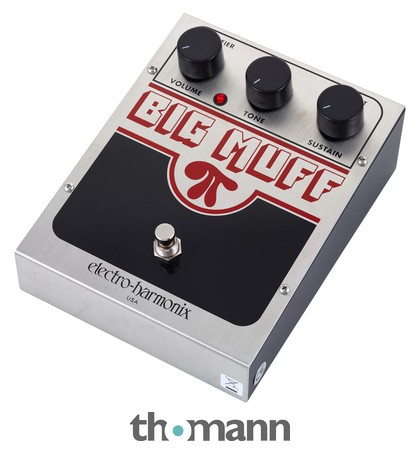
Fuzz is where electric guitar distortion began, and it''s still the most characterful — and most misunderstood — way to dirty up your tone. Let me explain what it is and how the two classic styles differ.
What a fuzz pedal actually does
A fuzz clips your signal far harder than an overdrive or distortion, squashing the waveform until it''s almost square. The result is a thick, saturated, sometimes ragged texture with tons of sustain. It''s the sound of Hendrix, of stoner rock, of fuzzy garage and psych. Because it''s so extreme, fuzz can also be the most unpredictable dirt — and that''s part of the fun.
Big Muff: huge, sustaining, scooped
The Electro-Harmonix Big Muff (check price) is a "sustain"-style fuzz: massive, smooth and singing, with a scooped midrange that sounds enormous on big chords and leads. It''s thick and creamy rather than spitty. The Green Russian (check price) variant is darker and bassier, perfect for heavy riffs.
Fuzz Face: vintage, dynamic, interactive
The Fuzz Face (check price) is the other great family — the Hendrix sound. It''s more dynamic and interactive: roll your guitar volume down and it cleans up beautifully, then opens into woolly fuzz when you dig in. It''s simpler and more expressive, but fussier about pedal order.
Where to start
If you want big sustain, start with a Big Muff. If you want vintage, touch-sensitive fuzz, start with a Fuzz Face. For the full rundown, see our best fuzz pedals guide.
Common questions
- What''s the difference between a Big Muff and a Fuzz Face?
- A Big Muff is a thick, sustaining, mid-scooped fuzz that''s smooth and huge. A Fuzz Face is a more dynamic, vintage-voiced fuzz that cleans up from your guitar''s volume knob. They suit different styles.
- Is fuzz good for beginners?
- It''s great fun, but fuzz is a flavour, not an everyday dirt pedal for most. Many players start with an overdrive or distortion and add a fuzz later for specific sounds.
I'm Martin, and I have a problem (it's pedals). I play ambient and post-rock — big washes of reverb, delays into delays, the kind of pedalboard that needs its own roadie — so effects are where I live. I love going down the rabbit hole on a circuit: what's the buffer doing, how does it stack, what happens at the extremes of the knobs nobody dares turn? My reviews tend to wander, because that's how you actually find the magic in a box. I'll always show you the weird, useful corners.
Ambient/post-rock guitarist and lifelong pedal collector
More from Martin
 Guitar cables and capacitance: why your lead is quietly eating your toneLong or cheap guitar cables roll off high end before your signal even reaches the amp. Here's the actual electronics, and when it matters.
- How truss rod adjustments actually affect your guitar's playabilityThe truss rod isn't just for fixing a bowed neck — it shapes feel, action and intonation across the whole fretboard. Here's what's actually happening when you turn it.
- How swell and volume-swell technique changes what you need from reverb and delayVolume swells aren't just a playing trick — they fundamentally change how reverb and delay pedals behave. Here's what to look for in your effects chain.
- Guitar string winding types explained: roundwound, flatwound and halfwoundRoundwound, flatwound, halfwound — string winding affects tone, feel and how your pedals respond. Martin explains what's actually going on.
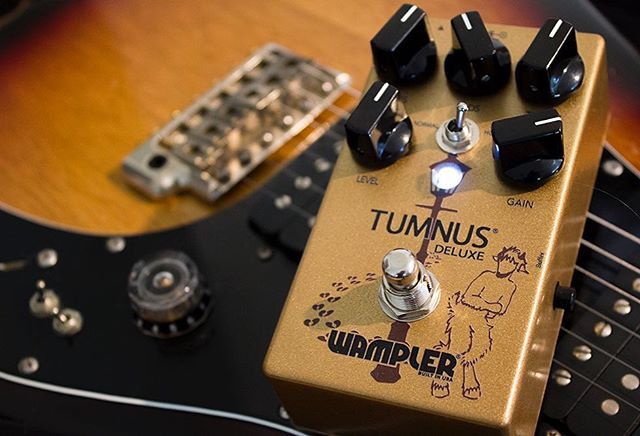 How fuzz pedals interact with your guitar's volume and tone controlsFuzz pedals respond to your guitar's controls in ways overdrive and distortion don't. Here's what's actually happening in the circuit, and how to use it.
- Acoustic guitar top woods explained: what spruce, cedar and mahogany actually doSpruce, cedar, mahogany — the soundboard wood shapes everything about how an acoustic guitar responds. Here's what each actually does to your tone.