How to Choose Your First Acoustic Guitar
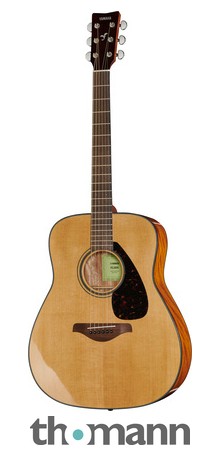
Buying your first acoustic shouldn''t be stressful, but the jargon makes it harder than it needs to be. Here''s what actually matters, in plain English.
Solid top vs laminate top — the big one
This is the single most important spec. A solid wood top vibrates more freely than a layered laminate one, giving a richer, louder tone that improves as the guitar ages. Solid tops used to be expensive; now guitars like the Yamaha FG800 (check price) and Fender CD-60S (check price) offer them for around $200. If you can stretch to a solid top, do.
Body shape and size
Dreadnoughts are the classic big-bodied acoustic — loud and full, with strong bass. They''re great, but can feel large. Concert and travel-sized guitars like the Yamaha FS800 (check price), Taylor GS Mini (check price) and Little Martin (check price) are more comfortable, especially for smaller players or younger learners, with a sweeter, more balanced voice.
Setup matters more than you think
A guitar''s "setup" — how the strings sit over the neck — decides how easy it is to play. A high action (strings far from the fretboard) makes a cheap guitar miserable and a good one frustrating. Buy from a shop that sets the guitar up, or budget a little for a professional setup. It transforms a beginner guitar.
How much to spend
Around $200–$250 buys an excellent solid-top starter. On a tight budget, the Epiphone DR-100 (check price) gets you playing for less. For our full ranked picks, see the best acoustic guitars for beginners guide.
Common questions
- What should I look for in a first acoustic guitar?
- A solid top if you can afford one (better tone that improves with age), a comfortable body size for your frame, and a good setup so it''s easy to play. Yamaha, Fender and Epiphone all make excellent beginner acoustics.
- How much should I spend on a first acoustic?
- Around $200–$250 gets an excellent solid-top guitar like a Yamaha FG800. You can start for less with an Epiphone DR-100, or spend more on a Taylor GS Mini or Little Martin you''ll keep for years.
Hey, I'm Doug. I've played the folk circuit for the better part of my life, mostly fingerstyle, and somewhere along the way I started building and repairing acoustics in a little workshop out back. Spend enough time with a sound that comes from wood, air and your bare fingers and you start to hear instruments the way you hear a forest in the morning — alive and full of small details. I'll tell you how a guitar feels under the fingers and how it ages, not just how it photographs.
Folk-circuit fingerstyle player; acoustic builder and repairer
More from Doug
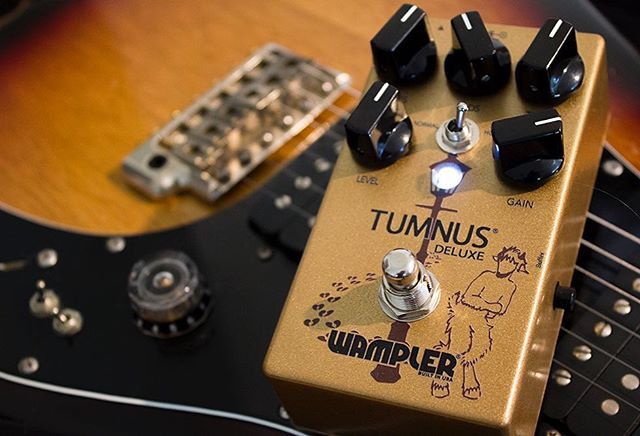 Fuzz pedals on acoustic-electric guitars: what works and what doesn'tFuzz on an acoustic-electric can sound glorious or fall apart completely. Doug explains why the pickup type decides everything, and what to try first.
 Setup neck relief on an electric guitar: what it actually should feel likeNeck relief is the setup detail most players skip. Here's what the right amount actually feels like, and why chasing "dead straight" hurts your tone.
- Recording acoustic guitar at home: DI, microphone, or both?Plugging in vs putting up a mic — or blending both. Here's what actually works when recording acoustic guitar at home, from a builder who's tried all of it.
- How tube amp breakup differs from pedal distortion — and why it mattersTube amp breakup and pedal distortion both add grit, but they work differently. Here's what that means for your tone and how you use them together.
- How overdrive pedals respond to fingerpicking (and why it's different from a pick)Fingerpicking and overdrive pedals have a complicated relationship. Here's what's actually happening when your tone cleans up — or collapses — under your fingers.
- Fuzz into reverb: how the pedal order shapes your sustain and spacePut fuzz before reverb and you get one sound. Flip the order and everything changes. Doug breaks down why pedal order matters more than most players expect.