Fuzz pedals on acoustic-electric guitars: what works and what doesn't
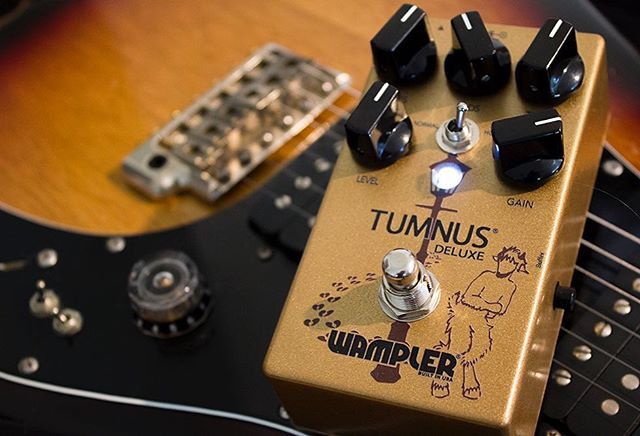
I had a student bring in her Taylor a few months back, plugged into a little board she'd bought secondhand, fuzz pedal and all, asking why it sounded like a swarm of bees arguing with itself. Fair question. Fuzz on an acoustic-electric is one of those things that either sounds like the most interesting thing you've heard all week, or completely unlistenable, and the difference usually comes down to one part of the signal chain that most players never think about: the pickup.
I've been building and fixing acoustics out the back of my place for about fifteen years now, and I get asked this more than you'd expect, usually by someone who heard a Kaki King or Ben Howard record and wants that same gritty, almost electric-sounding texture on their own dreadnought. It's achievable. But acoustic pickups were never designed with fuzz circuits in mind, and the mismatch shows up fast if you don't know what you're doing.
Why piezo pickups and fuzz don't naturally get along
Most acoustic-electrics use an under-saddle piezo, sometimes paired with an internal mic or a soundboard transducer. Piezo pickups produce a signal that's quite different from a magnetic pickup on an electric guitar — higher output impedance, a brighter and more brittle frequency response, and a transient spike right at the moment of attack that magnetic pickups just don't have. Fuzz circuits, especially the classic silicon and germanium designs, were voiced around what a Strat or Les Paul's magnetic pickup sends them. Feed a fuzz that sharp piezo transient and a lot of circuits either choke, producing a farty, gated splutter, or they turn brittle and harsh in a way that has nothing to do with the warm, saturated fuzz tone you're chasing.
This is the same reason fuzz works surprisingly well on an archtop — a magnetic floating pickup behaves like an electric guitar's pickup because, well, it basically is one. A piezo under the saddle is a completely different animal, and that's the bit players miss when they're chasing that same magic on a flat-top.
What actually works: soundhole pickups and mic blends
If you want fuzz that sounds musical rather than broken, the acoustic pickup type matters more than the fuzz pedal you choose. Magnetic soundhole pickups, the kind that clip in and sit under the strings like a mini humbucker, respond to fuzz almost the same way an electric guitar does. I've got an old Dreadnought with a soundhole unit I use specifically for this, and a silicon fuzz through it gets you somewhere between a fuzzed-out electric and something woodier, with more low-mid chest to it. Internal mic blends can work too, but you need to be careful with gain staging, because a mic picks up room noise and string squeak that a fuzz circuit will happily amplify into a mess. Blending a small amount of piezo signal underneath a magnetic or mic source, rather than running pure piezo into the fuzz, tends to civilise the top end without losing the percussive attack that makes acoustic playing distinctive in the first place.
Silicon vs germanium: which behaves better here
In my experience silicon fuzzes are the more forgiving starting point on acoustic-electrics. They've got a tighter low end and a more predictable gain curve, which matters when your input signal is already unusually bright. Germanium fuzzes are gorgeous on electric guitar for their touch sensitivity and sag, but that same sag can turn to mush fast when it's reacting to a piezo's spiky transient, especially if you're strumming hard. The Dunlop Fuzz Face Mini Silicon (check price) is a reasonable starting point if you want to experiment, mostly because its gain control lets you back off before things get unruly. The Boss FZ-5 (check price) is worth a mention too, since it models several classic fuzz circuits and lets you A/B silicon and germanium-style voicings without buying three pedals, which is handy when you're still working out what your particular guitar and pickup combination likes.
EQ and buffering before the fuzz hits
Here's the bit that actually solves most of the harshness problem: put something between your guitar and the fuzz that tames the piezo's peak before the fuzz circuit ever sees it. A simple EQ pedal, or even the onboard preamp on your acoustic if it has one, rolling off some of the 3-5kHz spike, makes an enormous difference. I'll roll mine off by ear until the fuzz stops sounding like tearing paper and starts sounding like an actual sustained note. A buffered pedal ahead of the fuzz also helps because piezo pickups are fussy about impedance loading in a way magnetic pickups generally aren't. If your fuzz is true bypass and your cable run is long, you can lose clarity before the signal even reaches the circuit. Worth reading up on what true bypass actually means if you're troubleshooting a chain that sounds duller than it should.
Where fuzz genuinely earns its place in an acoustic rig
I wouldn't reach for fuzz on a gentle fingerstyle arrangement, it fights the dynamics you worked hard to build into the phrasing. But for a chorus hook, a single sustained note held under a swell, or a full-band arrangement where the acoustic needs to cut through drums and electric guitar without just turning up the volume, a touch of fuzz gives you texture no clean acoustic tone can. Pair it with a bit of reverb after the fuzz stage, something like the EHX Holy Grail Nano (check price), and you get a wash that reads as almost orchestral rather than distorted. If you're assembling a small acoustic-and-electric pedal board for this kind of work, our fuzz pedal buying guide covers a wider spread of circuit types, which is useful once you know what your pickup actually wants.
The short version, and I'll admit I resisted saying it plainly for two paragraphs: it's not really about finding the right fuzz pedal, it's about finding the right acoustic pickup for fuzz. Get that part sorted and the pedal choice becomes the easy bit.
Frequently asked questions
— Doug, Acoustic & Fingerstyle Editor
Common questions
- Will fuzz damage my acoustic-electric's pickup or preamp?
- No, fuzz pedals won't damage the pickup or onboard preamp. The worst that happens is an unpleasant, gated or overly harsh sound, which you can dial back with gain staging and EQ rather than anything that risks the electronics.
- Can I use fuzz with just an under-saddle piezo and no other pickup?
- You can, but expect more trial and error. Rolling off some top end with an EQ pedal before the fuzz and choosing a silicon circuit with a manageable gain range gives you the best shot at something musical rather than brittle.
- Does fuzz work better through an amp or straight into a PA?
- Through a small acoustic or clean electric amp you get more natural compression and low-mid warmth, which tends to smooth out a piezo's harsher edges better than a direct line into a PA, where the brightness is left fully exposed.
- Is a soundhole pickup worth buying just for this?
- If you want fuzz to be a regular part of your sound, yes. A magnetic soundhole pickup behaves much more like an electric guitar pickup and makes fuzz circuits far more predictable and musical to work with.
Hey, I'm Doug. I've played the folk circuit for the better part of my life, mostly fingerstyle, and somewhere along the way I started building and repairing acoustics in a little workshop out back. Spend enough time with a sound that comes from wood, air and your bare fingers and you start to hear instruments the way you hear a forest in the morning — alive and full of small details. I'll tell you how a guitar feels under the fingers and how it ages, not just how it photographs.
Folk-circuit fingerstyle player; acoustic builder and repairer
More from Doug
 Ambient delay and reverb settings that actually suit a solo acousticA fingerstyle player's real-world approach to delay and reverb settings on acoustic guitar, without washing out the wood and string detail that made you plug in.
- How often you really need a professional guitar setupDoug breaks down how often an acoustic actually needs a professional setup, and the signs your guitar is asking for one sooner.
 Acoustic pickup types explained: undersaddle, soundhole and body sensorsUndersaddle, soundhole, and body-sensor pickups all colour an acoustic differently. Here's what each one actually does to your tone, from a builder's bench.
- Right hand travel: why less motion means more controlBig right-hand motion feels expressive but costs you accuracy. Here's why trimming travel in your picking or plucking hand changes your tone and timing.
- Micing an acoustic at home: a simple two-mic approach that worksA workshop-tested two-mic setup for recording acoustic guitar at home, without a treated room or expensive gear.
- Recording an acoustic-electric direct: getting a sound that doesn't sound "DI"Piezo pickups sound thin and quacky straight into a DI. Here's how I get a full, room-like acoustic tone without a microphone.