How practising slowly actually changes what gear you need
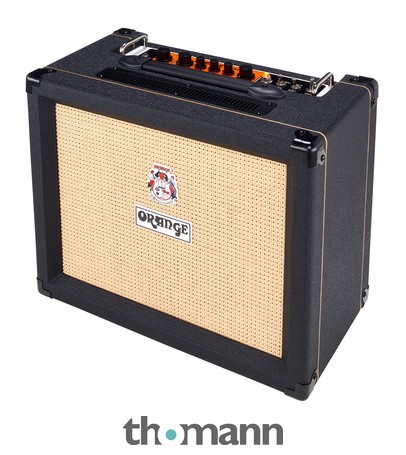
Most beginners want to play faster. That's natural. But the students who improve quickest are almost always the ones who slow down first — and when they do, something interesting happens: they start noticing problems with their gear that they couldn't hear before.
I've seen this play out hundreds of times across fifteen years of teaching, in lessons run from my spare room in Brisbane to group sessions at a local school on Jephson Street. A student rushes through a chord change, buzzing and clanking everywhere. I ask them to play it at half speed. Suddenly we can both hear exactly which string buzzed, which finger lifted too early, and whether the issue is their technique or the guitar. Usually it's both. But separating the two is where the learning actually happens.
Slow practice is a fault-finding tool
Think of it like a mechanic revving an engine slowly to isolate a knock. At full speed, everything blurs together. At half speed, each note is accountable.
When you slow down, a few things become immediately obvious. Fret buzz that was buried in the noise of a fast strum now rings out clearly. Muted strings that you glossed over in a chord become impossible to ignore. Dead notes up the neck announce themselves. None of this is fun to hear, but all of it is useful information.
The question is: is that buzz coming from your technique, or your guitar?
A lot of beginners assume it's them. Sometimes it is. But I've had students beating themselves up for weeks over buzz that turned out to be the guitar's fault entirely — action too low, nut slots cut poorly, neck relief off. If your acoustic or electric guitar has a bad setup, slow practice will surface it faster than anything else. And you can't fix a technique problem that's actually a setup problem, no matter how many hours you put in.
What slow practice tells you about your guitar's action
Action — the height of the strings above the fretboard — is the single biggest variable a beginner doesn't know to check. Too low and strings buzz. Too high and fretting clean notes takes effort that beginners don't yet have, which leads to sore fingers, tense shoulders and students quitting inside a month.
Slow practice makes high action obvious because you can feel every note individually. Your fingers will tell you if they're working harder than they should. If clean, slow single notes still require a real squeeze to sound cleanly, the action is probably too high — especially at the first few frets, which usually points to the nut. Have a tech look at it. A basic setup is usually $50–80 and it can make a $300 guitar feel dramatically better. That's a better spend than upgrading the guitar itself, at least until you've ruled out setup.
If you're shopping for your first electric and haven't yet, our best electric guitars for beginners guide flags models that tend to arrive with a decent factory setup and which ones often need a quick once-over before they're comfortable to play.
How it changes what you want from an amp
Here's something most beginners don't realise: slow practice is brutally honest about amp tone in a way that fast, loud playing isn't.
Crank a distortion channel, play fast riffs, and the gain masks a lot — string noise, uneven attack, notes that aren't quite fretted. Slow right down on a clean or mildly dirty tone and every flaw in your technique is amplified. This is actually a good thing. Practising slowly on a clean amp channel builds control faster than anything else.
But it also means you want a practice amp with a genuinely usable clean tone, not just an amp that sounds okay drenched in gain. I'd point students toward something like the Yamaha THR10II (check price) or the Blackstar ID:Core 20 V4 (check price) — both have clean channels that sound honest at low volumes, which is exactly what you need when you're working slowly through chord transitions at 9 o'clock at night. A fizzy, compressed amp that only sounds good loud will just discourage you. Our best practice amps guide covers this in much more detail if you're currently shopping.
The tempo-gear feedback loop nobody talks about
There's a practical loop that develops once you start practising slowly and paying attention. You slow down, you hear something off, you figure out whether it's your hands or your gear, you fix whichever one it is, and then you can actually speed back up with genuine control rather than just muscle memory covering over the cracks.
This is why a metronome is one of the most gear-relevant tools you can own. Not because rhythm is everything (it is, but that's a different article), but because locking your tempo to something external forces you to stay honest. You can't rush past the hard bit. The metronome won't let you.
Free metronome apps do the job completely fine. I've used the same basic one on my phone for years. You don't need dedicated hardware unless you specifically want it.
What slow practice reveals about pedals
If you've already got a distortion or overdrive pedal, try this: run through whatever you're working on with the pedal off, slowly. Then turn it back on. You'll almost certainly hear your technique differently. Gain is forgiving. It fills in gaps, smooths over hesitations, compresses uneven picking attack into something that sounds more uniform than it actually is.
I'm not saying don't use gain. But I'd argue — and this is a view some players push back on — that beginners who practice predominantly on high-gain tones develop messier technique than those who spend most of their practice time on a clean or mildly driven sound. The gain gives you cover and cover lets bad habits persist. You have to earn the dirt, in a sense.
Once you have clean control at a slow tempo, a good overdrive pedal like the Boss SD-1 (check price) or the Ibanez Tube Screamer TS9 (check price) will reward that control in ways they simply can't if the technique underneath is still rough. Responsive overdrives respond to dynamics — they get louder and hairier when you pick harder, cleaner when you back off. You'll only notice that if you've built the control to vary your attack in the first place.
The practical takeaway for gear decisions
Before you spend money on a new guitar, new amp, or new pedals, give yourself two weeks of slow, deliberate practice on what you already own. Use a clean tone. Use a metronome. Pay attention to where things feel hard or sound rough.
If problems persist at slow tempos, you've now got actual information: it's either your technique or your setup. A tech can sort a setup. Your practice habits sort the technique. Neither of those require new gear.
But if you do that work and still find the guitar is fighting you — uncomfortable to press, buzzing on notes that your hand is clearly fretting cleanly — then you've got a real case for an upgrade or at least a professional setup. That's a much better reason to buy something new than just wanting to sound like your favourite player before you can actually play yet. Anyway.
Common questions
- Why does my guitar buzz when I play slowly but not when I strum fast?
- Fast strumming generates more string movement and ambient noise, which masks fret buzz. When you slow down and play notes individually, any buzz caused by low action, an uneven fret, or insufficient fretting pressure becomes clearly audible. If the buzz is present even when you're pressing firmly and your finger position is clean, it's almost certainly a setup issue rather than your technique.
- Should beginners practise on a clean tone or with gain?
- Mostly clean, especially at first. Gain compresses your signal and smooths over uneven picking and fretting, which makes technique flaws harder to hear and correct. Building control on a clean sound means every fault is audible — which is uncomfortable but genuinely faster for improvement. Use gain when you're playing for enjoyment or reinforcing things you've already drilled cleanly.
- How slow should I practise a new piece or technique?
- Slow enough that you can play it perfectly — no buzz, no muted strings, every note clean. For most beginners that means starting considerably slower than you think is necessary, often 50–60% of the target tempo. A free metronome app is all you need. Once you can play something cleanly ten times in a row at the slow tempo, nudge the metronome up by a few BPM and repeat.
I'm Rob, and I've taught guitar for over fifteen years — which means I've watched hundreds of beginners buy the wrong thing because someone baffled them with jargon. So that's my job here: cut through it. I genuinely love good budget gear, the kind that punches way above its price and actually keeps a new player playing. I'll tell you in plain English what matters, what doesn't, and what's a waste of your first hundred quid. No snobbery, no gatekeeping — just honest help getting started right.
Guitar teacher (15+ yrs); beginner and budget-gear specialist
More from Rob
 Fuzz pedal settings explained: what the knobs actually doFuzz knobs don't work like distortion or overdrive controls. Here's what Fuzz, Volume and Tone actually do — and how to dial in sounds you'll actually use.
- Why your distortion pedal sounds fizzy at home (and how to fix it)Fizzy, thin, buzzy distortion is one of the most common beginner frustrations. Here's why it happens and exactly what to fix first.
- What do the knobs on a distortion pedal actually do?Gain, tone, level — three knobs, endless confusion. Rob breaks down exactly what each control does and how to set them as a beginner.
- Acoustic guitar action explained: what it is, why it matters, and how to spot a bad setupHigh action kills beginners' progress faster than almost anything else. Here's how to understand acoustic guitar action, check it yourself, and know when to fix it.
- Guitar string gauges explained: what the numbers mean and how to chooseConfused by string gauges? Rob breaks down what those numbers actually mean, how gauge affects feel and tone, and which to choose as a beginner.
- How to use an overdrive pedal to boost your amp (and why it works)Confused about using an overdrive as a boost rather than a distortion? Rob explains the technique in plain English — no jargon, just results.