Electric guitar body woods: what they actually contribute to your tone
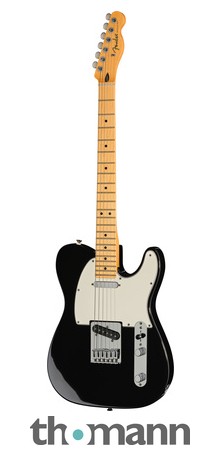
I'll be honest — when I first started getting asked about tonewoods on electric guitars, my instinct was to deflect. Wood is my world, but solid-body electrics are a different conversation from a spruce-topped dreadnought. The physics are not the same. Still, after enough time repairing instruments and watching what actually changes when you swap bodies, I've landed somewhere considered on this.
The short version: body wood matters on an electric, but not the way it does on an acoustic. On an acoustic, the top is the primary sound generator — the whole instrument is an amplifier made of wood. On a solid-body electric, that job belongs to your pickups, your amp, and everything in between. But body wood is not irrelevant either. It contributes in subtler, more textural ways.
Why the tonewood debate gets so heated
Part of the problem is that the argument tends to collapse into two camps: people who insist every detail of the wood shapes your tone profoundly, and people who say it makes zero difference because everything goes through a pickup anyway. Neither position is quite right.
What wood does on a solid-body is affect how the instrument resonates under your hands — sustain, the feel of note bloom, how quickly a string dies. Some of that resonance does transfer to the pickup via the magnetic field interaction with the vibrating string. It's a small contribution. But small doesn't mean zero, and when you're building a sound from the ground up, small things compound.
I'd argue the bigger influence is often feel rather than raw tone. A dense, heavy body feels and responds differently from a lighter swamp ash instrument, and that difference shapes how you play — which, as I've said in other pieces, is your best tone control.
Alder: the sensible default
Most Fender-style instruments — your Stratocasters, Telecasters, plenty of offset bodies — have been built in alder since the mid-1950s. It's lightweight, easy to finish, and grows in useful quantities in the Pacific Northwest. Those are practical reasons. The tonal ones are real too.
Alder has a fairly balanced frequency response. It doesn't emphasise the low end the way mahogany does, and it doesn't have the glassy top-end snap of ash. What you get is an even, slightly warm sound that doesn't fight your pickups. For single-coil guitars especially, where the pickup character is already quite present and defined, that neutrality is useful. The guitar gets out of the way.
The Fender Player II Stratocaster (check price) uses alder, as does the Fender Player II Telecaster (check price). If you've played either of those and thought the tone was clean and articulate without being harsh, the body wood is part of why.
Ash: clarity and that particular snap
Swamp ash — properly called southern ash, grown in the lowland areas of the American south — was Fender's original body wood before alder became cheaper and more available. It's prized for good reason. The grain is open and the wood is relatively light, which contributes to a scooped-mid, bell-like character. There's a clarity in the upper registers and a softness in the mids that a lot of players associate with vintage Tele tone.
Northern ash is heavier, denser, and sounds different enough that they're really separate materials. A lot of budget instruments labelled "ash" are northern ash, and if the body feels like a small anvil, that's probably what you've got. It's not bad wood — just not the same.
Swamp ash is increasingly expensive and harder to source responsibly, which is worth knowing if you're drawn to it. Plenty of builders have moved to alternatives that get in the same neighbourhood.
Mahogany: warmth, sustain, and the LP thing
Mahogany is where my acoustic-building brain reconnects with the electric world. It's the back-and-sides wood on countless steel-string guitars, and its qualities carry over: thick fundamental, long sustain, a warmth that sits in the low-mids. On an electric, paired with a maple cap and humbuckers, it's the architecture of the Les Paul — dense and singing, sustaining almost indefinitely at the right volume.
The Epiphone Les Paul Standard '50s (check price) uses a mahogany body with a maple veneer cap, which captures a lot of what makes that combination work without the cost of a solid carved maple top. If you play through any of the better tube amps, the way mahogany holds a chord — that slow, full bloom — is genuinely distinctive.
It's heavier than alder, generally. Some players love that; others find a full day's gigging with a solid mahogany body is hard on the shoulder. Worth knowing before you commit.
Basswood: underrated and misunderstood
Basswood gets dismissed as a budget material, and I think that's unfair. It's soft, lightweight and has a fairly flat frequency response — which sounds like faint praise, but for high-output humbucker guitars going into high-gain rigs, that flatness means it doesn't add mud to the low end or harshness to the highs. Ibanez built a lot of their RG series in basswood for exactly that reason. The wood isn't fighting the pickups; the pickups are doing their job clearly.
For clean and mid-gain work, basswood can feel a little thin, lacking the character that alder or mahogany provide. But in a heavily processed metal context, its transparency is a feature. You're shaping tone elsewhere in the chain anyway.
What this actually means when you're choosing a guitar
If you're deciding between two instruments at a similar price point, I wouldn't let body wood be the deciding factor on its own. Pickup choice, construction quality, neck wood and profile, nut and saddle materials — all of these will have more immediate and obvious effects on what you hear through an amp. The body wood is one thread in a longer conversation.
That said, when you're comparing otherwise similar instruments, it's a useful data point. An alder-bodied guitar and a mahogany-bodied guitar with the same pickups and electronics will feel and respond differently. That's real. It's subtle, but real.
If you're newer to all this, I'd say spend more of your attention on the setup — action, intonation, neck relief — because a poorly set-up guitar made of gorgeous tonewoods will play and sound worse than a well-set-up instrument made of modest materials. We have a practical guide to the best intermediate electric guitars that covers a range of body materials across different price points, which might help you hear the comparisons in context.
And once you've got the guitar sorted, the amp is where a lot of your tonal work really lives. If you're still figuring that out, our roundup of the best tube amps under $1000 covers a range of voicings that will pair differently depending on whether your guitar leans warm or bright.
Wood is never just wood. But on a solid-body electric, it's one voice in a larger chorus. Learn to hear it for what it contributes — not for what it can't do alone.
Common questions
- Does body wood matter more on a Telecaster than a Les Paul?
- Not inherently, but the context is different. A Telecaster's single-coil pickups tend to be more transparent, so subtle body resonance can be a slightly more audible contributor. A Les Paul's thick humbuckers and heavier construction mean the pickup and electronics character dominate more. That said, you'll still hear a difference between a mahogany and an ash Les Paul-style body if you play them side by side through the same amp.
- Is heavier always better for sustain?
- Density does tend to correlate with sustain, but it's not a simple rule. Swamp ash is relatively light yet sustains very well. Sustain is also affected by neck joint quality, hardware mass, and how well the instrument is set up. A light guitar with a tight neck joint and quality hardware can sustain better than a heavy guitar with a loose neck pocket.
- What about chambered or semi-hollow bodies — does the wood matter more there?
- Yes, considerably. Once you introduce air chambers into the body, the wood itself starts behaving more like an acoustic resonator. The top wood especially starts contributing to tone in ways closer to an acoustic guitar. That's why thinline Telecasters and semi-hollow guitars tend to sound more distinctly 'woody' — they're somewhere between the two worlds.
Hey, I'm Doug. I've played the folk circuit for the better part of my life, mostly fingerstyle, and somewhere along the way I started building and repairing acoustics in a little workshop out back. Spend enough time with a sound that comes from wood, air and your bare fingers and you start to hear instruments the way you hear a forest in the morning — alive and full of small details. I'll tell you how a guitar feels under the fingers and how it ages, not just how it photographs.
Folk-circuit fingerstyle player; acoustic builder and repairer
More from Doug
 Fuzz pedals with acoustic-electric guitars: what works and what doesn'tRunning a fuzz pedal through an acoustic-electric is tricky. Doug explains what actually works, why most fuzz circuits fight piezo pickups, and how to get useful sounds.
 Acoustic guitar saddle intonation: why your guitar goes sharp up the neckYour acoustic sounds great open but goes sharp past the fifth fret. Doug explains why saddle compensation fixes this — and what to do about it.
- Stacking overdrive pedals: how layering dirt actually worksStacking two overdrive pedals unlocks tones neither can reach alone. Doug explains the signal chain logic, gain staging, and why order matters.
- Running an overdrive pedal into an acoustic-electric: what actually worksOverdrive on acoustic sounds wrong — until it doesn't. Doug walks through how to run dirt into an acoustic-electric without losing what makes the instrument alive.
- Fuzz pedals and single-coil guitars: how pickup choice shapes your fuzz toneSingle-coil pickups and fuzz pedals have a complicated relationship. Doug explains what's really going on — and how to get the best from the pairing.
- How fretting-hand pressure affects acoustic tone — and what it tells you about your setupThe amount of pressure you apply when fretting an acoustic note shapes tone more than most players realise — and it points directly to whether your guitar's setup is working for you.