How fretting-hand pressure affects acoustic tone — and what it tells you about your setup
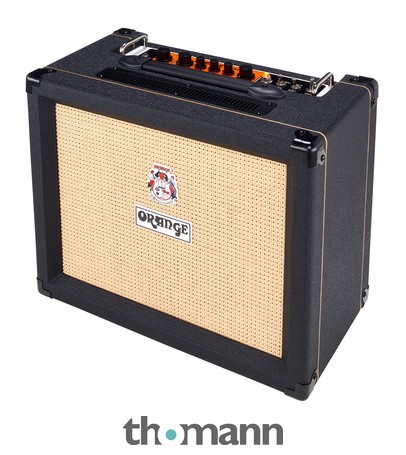
There's a moment in the workshop — happens more than you'd think — where someone hands me their acoustic and says something like, "I don't know, it just sounds a bit dead." And nine times out of ten, I watch them play and the first thing I notice isn't the guitar. It's their left hand. They're pressing like they're trying to leave fingerprints in the fretboard.
Fretting-hand pressure is one of those things that sits right at the intersection of technique and gear. Get it wrong in either direction and you'll either fight the instrument or never hear what it's actually capable of. Spend a few years building and repairing acoustics, and you start to understand that a guitar's setup and a player's touch are in constant conversation with each other.
What excess pressure actually does to your tone
When you press harder than you need to, a few things happen simultaneously. You pull the string slightly sharp — particularly noticeable in the lower positions, where the string has more travel to the fret. That sharpening is subtle but it adds up across a chord, and it's a big part of why some players' open-position playing sounds ever so slightly sour without them knowing why.
The second thing is that you deaden sustain. A fingertip mashed hard into a fret damps the string's vibration path back through the nut and saddle. The note still sounds, but it doesn't breathe. On a well-built acoustic, sustain and resonance are doing a lot of work — they're what gives a fingerstyle piece that sense of notes hanging in the air between each other. Over-grip and you're muffling exactly what you paid for.
Third, and this one's insidious for fingerstyle players specifically: excess tension in the fretting hand travels up the arm. Your forearm tightens, your plucking hand starts to compensate, your tone across the whole instrument begins to harden and flatten.
The minimum-pressure exercise — and what it reveals
I give every student and every repair customer the same exercise. Fret a single note — say, a G on the first string, third fret — and press only hard enough that the note rings cleanly. Back off until it buzzes, then add just enough to clear it. Sit with that pressure. It's almost certainly less than what felt natural before.
Now here's the diagnostic part: if minimum pressure still requires what feels like real effort, or if the note is buzzing even with reasonable pressure, that's your guitar telling you something. High action, an uneven fret, a poorly cut nut slot — these are setup problems, not technique problems. You cannot train your way around a nut that's cutting too high at the first and second frets. Your hand will simply adjust to compensate, and you'll carry that excess tension for years.
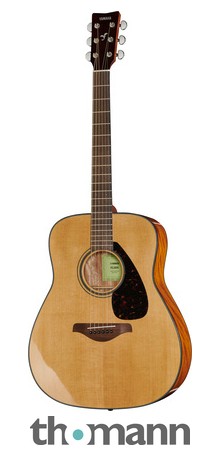
This is exactly why technique informs gear choices, and why I always recommend getting a proper setup before deciding a beginner guitar is unplayable. A lot of otherwise decent instruments — like the Yamaha FG800 (check price) or the Fender CD-60S (check price) — leave the factory with action that's set conservatively high to avoid warranty buzzing claims. A competent setup brings that action down to where your left hand can actually relax. It's one of the most worthwhile things you can spend money on, early on — more than most upgrades.
Different techniques, different demands
Chord-melody fingerstyle and flatpicked strumming make different demands on fretting pressure, and it's worth thinking about them separately. In chord-melody playing, you're often holding complex voicings across five or six strings while your thumb and fingers carry an independent melody line. The temptation is to clamp down on the whole chord to make sure every note rings. But the better approach is to identify which notes are structural, which are decorative, and apply pressure selectively — lighter on strings that don't need to sing at a given moment.
Flatpicked players tend to have a different problem: they compensate for pick attack by stabilising through the fretting hand. If your pick attack is causing unwanted string noise, tightening your fret grip won't solve it. Better to address right-hand dynamics first.
What this means when you're choosing a guitar
If you're shopping for an acoustic and you're serious about fingerstyle, action and neck profile should be near the top of your list, not an afterthought. A slightly lower action — within reason, without introducing fret buzz — rewards a lighter touch and opens up the tonal palette. A chunky neck profile isn't a dealbreaker, but if it encourages you to grip rather than cradle the neck, it'll work against you.
The best acoustic guitars for beginners guide covers some solid entry-level options worth considering, and it's worth reading alongside thinking about setup — because even the best-value guitar needs a once-over from a technician before you form habits around its factory condition.
The long game
I've watched players with modest instruments make genuinely beautiful sounds, and I've watched players with very fine guitars sound tense and clamped. The difference is usually in the hands, but the hands don't exist in isolation from the instrument. A guitar that fights you will teach you bad habits. A guitar that's properly set up and responds to a light touch will teach your fretting hand to relax, and that relaxation will show up everywhere — in your tone, your intonation, your stamina on a long session.
It's worth revisiting the basics of what makes an acoustic comfortable to play from time to time, particularly if you've been playing the same guitar for years and never had it properly looked at. A small adjustment to nut height or saddle can change the conversation between your hand and the instrument entirely. And once you feel it, you'll wonder how you played any other way.
Common questions
- How do I know if my buzzing is a technique problem or a setup problem?
- Try the minimum-pressure test: fret a note with just enough pressure to make it ring cleanly. If that still requires real effort, or if the note buzzes even with firm pressure in the lower positions, it's almost certainly a setup issue — likely action that's too low or an uneven fret. If the buzz only appears when you're deliberately using very light pressure, your setup is probably fine and it's a technique thing to work through.
- Does fretting pressure matter as much on a guitar with lighter strings?
- Lighter strings require less force to fret, which is one reason they're often recommended for beginners and fingerstyle players. But the principle still holds — excess pressure will still pull the string sharp and damp sustain, just at a lower threshold. Lighter strings can actually make the problem easier to hear, because the sharpening effect is more noticeable with less string tension resisting your fingers.
- Can a professional setup really make that much difference to how hard I have to press?
- Genuinely, yes. Nut slots that are cut too high are one of the most common factory issues on acoustic guitars at every price point. Bringing first-position action down to a comfortable level — without introducing buzz — can transform how a guitar feels under the fretting hand. It's often the single most cost-effective thing you can do to improve playability, before thinking about new strings or a different instrument.
Hey, I'm Doug. I've played the folk circuit for the better part of my life, mostly fingerstyle, and somewhere along the way I started building and repairing acoustics in a little workshop out back. Spend enough time with a sound that comes from wood, air and your bare fingers and you start to hear instruments the way you hear a forest in the morning — alive and full of small details. I'll tell you how a guitar feels under the fingers and how it ages, not just how it photographs.
Folk-circuit fingerstyle player; acoustic builder and repairer
More from Doug
- Acoustic guitar string gauges explained: how to choose the right strings for your playing styleString gauge shapes tone, playability and even how your acoustic guitar responds over time. Here's how to find the right fit for your hands and your music.
- How to set up an electric guitar: a practical guide to action, intonation and neck reliefA good setup transforms how an electric guitar feels and sounds. Here's how to work through action, neck relief and intonation at home.
- How to care for an acoustic guitar: humidity, cleaning and seasonal changesWood moves with the seasons. Doug explains how to protect your acoustic from humidity swings, how to clean it properly, and what to watch for year-round.
- Plugging in an acoustic-electric: how to choose the right amp for your plugged-in soundNot every amp flatters an acoustic-electric. Doug walks through what to look for — and what to avoid — when you need to amplify a plugged-in acoustic.
 How to Choose Your First Acoustic GuitarSolid vs laminate tops, body shapes, and the setup that makes or breaks a beginner guitar — a friendly walkthrough to buying your first acoustic.