Your First Tube Amp: What to Look For
Right then — buying your first valve amp is a rite of passage, and it''s easy to get wrong by chasing the wrong numbers. After years of gigging and a stint on the repair bench, here''s what actually matters.
Don''t buy too many watts
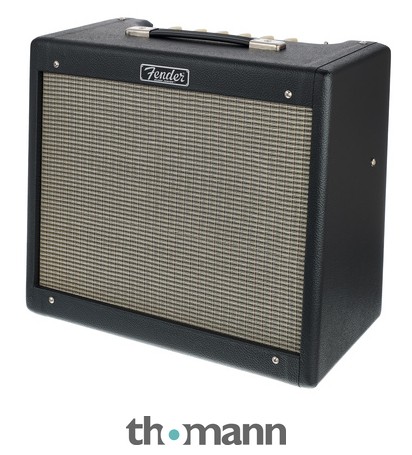
Valve watts are loud, and a tube amp sounds best when the power section is pushed. A 40-watt valve amp is often far too loud to ever crank at home. For most players a 15–30 watt combo is the sweet spot — gig-capable, but with a chance of hearing it break up. The Fender Blues Junior IV (check price) at 15 watts is a perfect example.
Look for a power-reduction switch
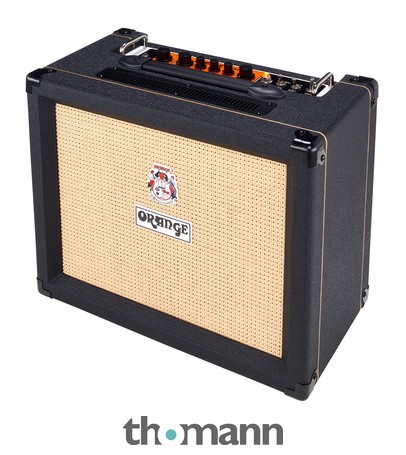
If you play at home, an attenuator or power-reduction switch is the single best feature to look for — it lets you push the valves into saturation at a sensible volume. The Orange Rocker 15 (check price) drops to 1 watt or even half a watt; the Marshall DSL40CR (check price) halves from 40 to 20.
Channels and pedals
A single great-sounding channel plus your pedals will get you further than a mediocre two-channel amp. Most valve combos take overdrive and reverb pedals beautifully, so don''t rule out a one-channel amp. If you want built-in versatility, a two-channel amp like the Marshall or a Blackstar saves some pedal spend.
Cleans or crunch?
Decide what you want the amp itself to do. Fender-style amps (Blues Junior) excel at sparkling cleans; Vox amps chime and jangle; Marshalls and Oranges are built around crunch. Whatever you pick, see our best tube amps under $1000 guide for the standouts in each camp.
Common questions
- How many watts should my first tube amp be?
- For most players, 15–30 valve watts is ideal — loud enough to gig but with a chance to hear the amp break up. Higher wattages are often too loud to crank. A power-reduction switch helps a lot for home use.
- Do I need a two-channel tube amp?
- Not necessarily. A single great channel plus an overdrive pedal often beats a mediocre two-channel amp, and valve combos take pedals very well. Two channels are convenient but not essential.
Right then — I'm Jez, and I've spent the best part of 25 years chasing the same thing: a cranked British valve amp on the edge of breakup. Cut my teeth in smoky blues clubs around the North West, then spent a decade on the bench fixing other people's amps, which taught me more about tone than any pedal ever did. I'm a sucker for an EL34 power section and a bit of natural sag. I'll always tell you straight whether an amp's worth the money or whether you're paying for a badge.
Gigging blues-rock guitarist (25+ yrs) and former valve-amp tech
More from Jez
 Pickup output and valve amp sag: why hot pickups kill your breakupHot pickups push a valve amp into a different kind of breakup than you might want. Here's how output and sag actually interact, from the bench.
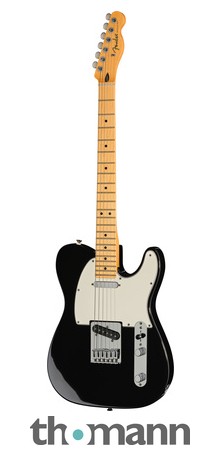 Why pickup magnet type changes how your valve amp breaks upAlnico and ceramic pickups push a valve amp's front end differently. Here's how magnet type shapes breakup, feel and sag, from a former amp tech.
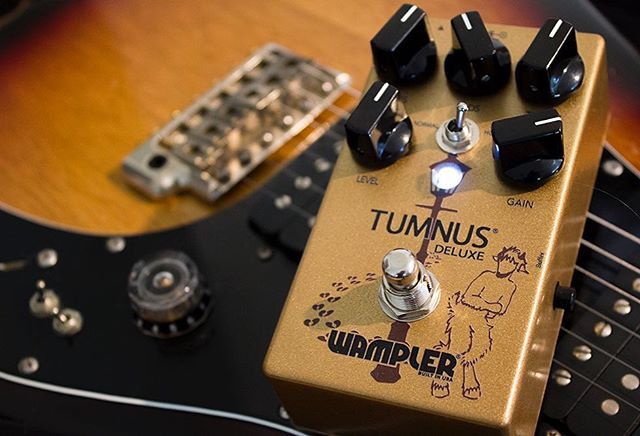 Clipping types explained: why diodes shape your drive pedal's feelSilicon, germanium, LED or asymmetrical — the clipping diodes in your overdrive decide how it feels under your fingers, not just how it sounds.
- Choosing between a dreadnought and an OM: a real-world guideDreadnought or OM? Jez breaks down how body shape actually changes feel, volume and tone, and which one suits your playing style.
- Where to put fuzz in your pedal chain (and why it moves)Fuzz pedal order isn't fixed like your other drives. Here's why it moves depending on your rig, and how to find the spot that actually works.
- Germanium vs silicon fuzz: which one suits your amp?Germanium and silicon fuzz behave completely differently through a valve amp. Here's how to pick the right one for your rig, not just your ears in a shop.