Pickup output and valve amp sag: why hot pickups kill your breakup
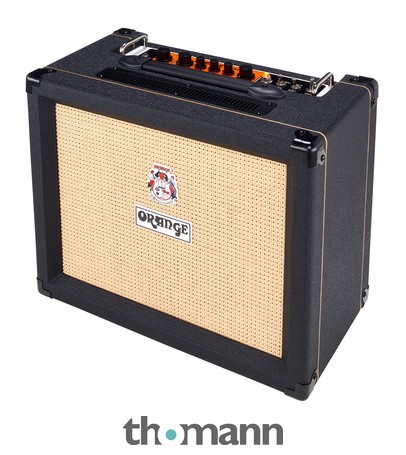
Had a lad bring me a Blues Junior last year convinced the amp was faulty. Said it "farted out" the second he dug in. Nothing wrong with the amp at all — he'd just dropped a set of high-output humbuckers into his Strat-shaped guitar the week before and expected the amp to respond the same way it always had. It didn't, because the thing feeding the input had changed completely. Twenty five years of doing this and that conversation still comes up more than almost any other.
Right then — let's get into why pickup output and natural amp sag fight each other more often than they cooperate, because most players get this backwards. They assume hotter pickups just mean "more gain, more fun." Sometimes. But if you've built your tone around a valve amp that breaks up a particular way, a hot pickup can wreck that breakup rather than enhance it.
What sag actually is, in plain terms
Sag is the momentary voltage drop in your power section when you hit it hard. Push a chord into an EL34 power amp with a tired rectifier or a cathode-biased circuit, and the power supply dips for a few milliseconds before recovering. That dip is what gives you the "bloom" — the note seems to swell slightly after the initial attack rather than just hit and sit flat. It's one of the main reasons valve amps feel alive under your hands in a way a lot of solid-state and even some modelling gear still struggles to fully replicate, despite how good units like the Boss Katana-50 MkII or Positive Grid Spark 40 have got.
Sag isn't free though. It's a function of how much current you're demanding and how the power supply responds to that demand. A gentle input signal asks for a gentle response. A hot signal slams the supply all at once, and the sag character changes from "bloom" to something closer to "choke."
Why hot pickups change the equation
A high-output humbucker, especially one wound hot with ceramic magnets, is already delivering a far bigger signal to your input stage than a vintage-wound PAF-style pickup or a single coil. Your preamp tube clips earlier and harder. Fine if that's the goal. But by the time that signal reaches the power section, you've effectively removed the headroom that let the sag breathe naturally. Instead of a note that blooms, you get compression that's already happened before the power valves even get a say in it.
I hear this constantly on amps like the Marshall DSL40CR and Orange Rocker 15 — both lovely amps that reward a moderate-output pickup. Drop a scorching hot humbucker in front of either one and you lose the "edge of breakup" zone almost entirely, because you've skipped straight past it. The amp still sounds big. It just doesn't sound like it's working the way it was designed to.
This is the same underlying relationship I've talked about before when it comes to how pickup choice changes the way your pedals behave — the valve amp's power section is really just another stage in that same chain, and it reacts to signal level exactly the same way a drive pedal does, just with physics instead of diodes.
The magnet question
Magnet type plays into this too, and I've covered the breakup side of that separately in why pickup magnet type changes how your valve amp breaks up. Alnico magnets tend to compress a touch more gently themselves, which actually complements sag rather than competing with it. Ceramic magnets are tighter and more aggressive on the attack, which stacks on top of an already-compressed power section and can turn a nicely sagging EL34 amp into something that just feels stiff and farty on the low strings — exactly what that Blues Junior customer was hearing.
So what do you actually do about it
A few honest options, none of them complicated. Lower your pickup output by raising the pickup away from the strings slightly — I'll argue this is the cheapest fix nobody tries first, and it changes touch response more than most players expect. There's a reason I keep sending people to our piece on why pickup height changes your touch dynamics more than tone, because it's genuinely the first thing I check on the bench before touching anything else.
Alternatively, match your pickup to your amp honestly. If you're running something with real sag character, like a Vox AC15C1 or a cathode-biased combo, a moderate-output alnico pickup will let that amp do what it's built to do. Save the hot ceramic humbuckers for amps with solid-state rectification and tighter power supplies, where sag isn't really part of the plan anyway — think Jackson Dinky JS32 or ESP LTD EC-1000 territory, built for a different job entirely.
You can also just turn down. Guitar volume knob rolled back 10-20%, output pickup hits the input stage at a level closer to what a vintage-wound pickup would deliver, and the sag behaviour comes back. It's not a perfect substitute and you lose a bit of top end doing it, but it's free and instant.
The bit nobody wants to hear
I'll be straight with you — a lot of players chase hot pickups because they assume "more output equals more tone," and in my experience it's nearly the opposite with a genuinely dynamic valve amp. The Fender Blues Junior IV, the Peavey Classic 30, even a cranked Blackstar HT Club 40 MkII — these amps are at their best with pickups that let the power section do the compressing, not the pickup itself. If you want that amp to breathe, you often need less output going into it, not more. That's a hard sell to someone who's just dropped money on a hot-wound set expecting instant Marshall-in-a-box tone.
Testing it yourself
Easiest way to hear this is A/B on the same amp, same volume setting. Plug in a guitar with vintage-output pickups, play a sustained chord, listen for the swell after the initial hit. Swap to a hot-output guitar, same settings, same chord. Nine times out of ten the swell flattens out or disappears entirely on the hot pickup, replaced by a harder, more immediate compression. Neither is wrong. But if you bought your amp specifically for that sag character, you want to know which one you're actually getting.
Common questions
- Does pickup output affect sag on solid-state and modelling amps too?
- Not in the same way. Modelling amps like the Yamaha THR10II or Boss Katana-50 MkII simulate sag algorithmically, so a hot pickup mostly just drives the simulated preamp harder rather than changing the power supply physics. The effect is less pronounced and more predictable than on a real valve power section.
- Will lowering my pickups reduce output enough to notice a difference in sag?
- Yes, often more than players expect. Moving a humbucker even a millimetre or two further from the strings can drop output noticeably and soften the attack hitting your input stage, which gives the power section room to sag naturally again.
- Is this why vintage-style amps are often paired with vintage-wound pickups in demos?
- Largely, yes. Amp manufacturers typically voice and demo amps like the Marshall DSL40CR or Vox AC15C1 with moderate-output pickups because that's where the amp's natural dynamic range and sag behaviour are most audible.
Right then — I'm Jez, and I've spent the best part of 25 years chasing the same thing: a cranked British valve amp on the edge of breakup. Cut my teeth in smoky blues clubs around the North West, then spent a decade on the bench fixing other people's amps, which taught me more about tone than any pedal ever did. I'm a sucker for an EL34 power section and a bit of natural sag. I'll always tell you straight whether an amp's worth the money or whether you're paying for a badge.
Gigging blues-rock guitarist (25+ yrs) and former valve-amp tech
More from Jez
 Why pickup magnet type changes how your valve amp breaks upAlnico and ceramic pickups push a valve amp's front end differently. Here's how magnet type shapes breakup, feel and sag, from a former amp tech.
 Clipping types explained: why diodes shape your drive pedal's feelSilicon, germanium, LED or asymmetrical — the clipping diodes in your overdrive decide how it feels under your fingers, not just how it sounds.
- Choosing between a dreadnought and an OM: a real-world guideDreadnought or OM? Jez breaks down how body shape actually changes feel, volume and tone, and which one suits your playing style.
- Where to put fuzz in your pedal chain (and why it moves)Fuzz pedal order isn't fixed like your other drives. Here's why it moves depending on your rig, and how to find the spot that actually works.
- Germanium vs silicon fuzz: which one suits your amp?Germanium and silicon fuzz behave completely differently through a valve amp. Here's how to pick the right one for your rig, not just your ears in a shop.
- Why fresh strings can make your valve amp sound worse, not betterNew strings aren't always the tone fix you think they are. Here's why a fresh set can clash with a cranked valve amp, and how to get both dialled in together.