How pick attack technique changes what high-gain rig you actually need
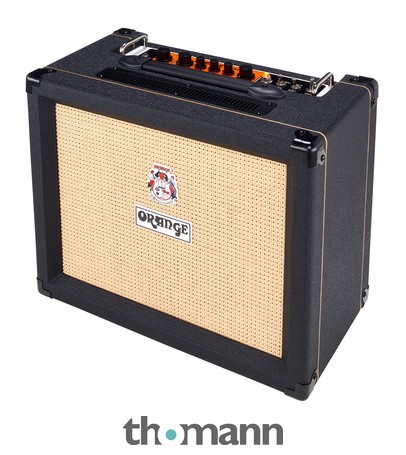
Had a student — well, not mine, a mate's kid who came to a clinic I did in Digbeth a few years back — plug into my rig and immediately sound like a wet paper bag. Same guitar, same profiler, same patch I'd been using all tour. Ten minutes later, after we sorted his picking hand, he sounded like he'd stolen my tone. Nothing on the amp changed. Honestly, this happens more than people admit.
Pick attack is the single most underrated variable in high-gain tone, and it's the one nobody wants to talk about because it's not gear. You can't buy a pedal to fix it. But here's the thing that matters for this site: the way you attack the string absolutely determines what amp, pickups and gain structure will actually work for you. Two players with identical rigs will sound completely different, and it's not always the players you'd expect.
Why attack force changes your gain requirements
High gain amplifies whatever you feed it, including the inconsistencies in your picking. A hard, aggressive attacker — think classic thrash rhythm technique — generates a much bigger transient spike than someone with a lighter touch. Feed that into a stack of gain stages and you get compression and saturation almost immediately, which is why some players can run less gain on the amp itself and still sound massive. Meanwhile a lighter player running the same gain setting can sound thin and weedy because there's not enough initial signal to push the front end into proper saturation.
This is the real reason two guitarists arguing over "how much gain is too much" are often talking past each other. It's not really a gain question. It's a right-hand question wearing a gear disguise. If you're shopping for a metal-capable guitar or amp, it's worth knowing your own attack style before you start comparing specs — have a look at our guide to the best guitars for metal with that in mind rather than just chasing pickup output numbers.
Angle matters as much as force
Flat picking angle (pick roughly parallel to the string) gives you a fuller, rounder attack with more low-mid content hitting the front of the amp. Angled picking, where you rotate the wrist and hit the string more like a plectrum-as-blade, thins the attack out and emphasises the top end — which some lead players actually want because it cuts through a dense mix. Neither is "correct". But if you're an angled picker and you've bought a scooped, high-gain amp because a YouTuber you like uses one, don't be surprised when your tone disappears in the mix. You've doubled down on thin. I made exactly this mistake in my twenties with a heavily scooped rhythm tone that sounded enormous alone in my bedroom and vanished the second the bassist and kick drum joined in.
Palm muting is a gain-staging tool, not just a rhythm technique
Everyone thinks of palm muting as a chugging technique for djent riffs. It is that. But it's also, functionally, a way of managing how much of the string's energy reaches the amp — which is a form of gain staging done entirely with your hand instead of a volume pedal or gate. Light muting keeps note definition on lower gain settings; heavy muting on a high-gain channel is what actually makes those tight low string chugs sit together instead of turning to mud. If your amp or modeller has separate gain for rhythm versus lead sounds, try backing the gain off slightly and relying more on muting pressure to control the "tightness" — it often sounds more musical than just cranking the gain knob until it gates itself.
What this means for pickup and scale length choice
If you're a hard attacker, you genuinely don't need the highest-output ceramic humbucker on the market. You're already generating enough transient energy that a moderate-output alnico pickup will still push an amp's front end hard, and you'll keep more dynamics and note separation doing it. Lighter players benefit more from higher-output pickups because they need the extra push to get the same saturation. This ties directly into scale length too — longer scale (25.5" and up, common on a lot of the guitars built for extended-range and drop tunings) gives you more string tension, which changes how your pick interacts with the string under a hard attack. We've covered this properly in our piece on scale length and high-gain tone if you want the full breakdown, but the short version is: your attack style and your scale length choice should be making the same decision, not fighting each other.
Testing your attack before you buy
Before you drop money on a new high-gain amp or a modeller, do this: play the same riff through a clean channel at three different attack intensities, really soft, normal, and aggressive, and listen to how much the clean tone changes in volume and brightness. That range is basically what you're going to be asking your gain stage to control. If there's a huge difference between soft and hard, you're a dynamic player and you'll want an amp or profile with a more touch-sensitive gain stage — something modelled on an EL34-based British voicing tends to respond well here. If there's barely any difference, you're a consistent attacker and you can run a more compressed, saturated high-gain tone without it falling apart under you. This is honestly a better shopping test than any spec sheet, and it costs nothing. Do it in the shop before you buy, not after.
The bit players skip: alternate picking consistency
We've written separately about how alternate picking technique affects the guitar you need, but it's worth repeating here because it interacts directly with gain. Inconsistent alternate picking, where downstrokes hit harder than upstrokes, gets brutally exposed by high gain. At low gain it's forgivable. At high gain, every inconsistency becomes an audible pulse in the tone, and no amount of noise gate or compressor pedal fixes it because it's a note-to-note dynamics problem, not a noise problem. I'd argue this is why a lot of "my rig sounds bad" complaints are actually technique complaints in disguise, and it's the least popular thing I say in clinics. Nobody wants to hear it's the hand. But it usually is.
Sorting it out on your own rig
Start simple. Record a DI of a palm-muted riff at your normal playing intensity, then reamp it through a couple of different gain settings and listen back critically — our piece on reamping and why a clean DI first saves your take covers the practical side of setting this up. You'll hear your own attack inconsistencies far more clearly on a speaker than through headphones while you're playing, because you're not distracted by the physical feel of playing at the time. Fix the hand first. Then buy the gear that suits the hand you've actually got, not the hand you wish you had.
Common questions
- Does pick thickness affect high-gain tone as much as attack technique?
- It matters, but less than attack force and angle. A thicker pick gives a slightly fuller, less scratchy attack, but a hard attacker with a thin pick will still generate more transient energy than a light attacker with a thick one. Technique dominates.
- Should I lower my amp's gain if I'm a hard picker?
- Often yes. Hard attackers push the front end harder for the same gain setting, so you can usually run less gain than you think and still get a saturated, tight tone, with the benefit of keeping more dynamics and pick articulation.
- Can a noise gate fix inconsistent picking dynamics?
- No. A gate only controls whether a signal is audible above a threshold, it does nothing to even out the volume or attack differences between individual notes. That's a technique fix, not a gear fix.
I'm Daz and I play LOUD. Spent years on the road playing modern metal — drop tunings, seven and eight strings, the works — so high-gain tone is genuinely my whole life. Honestly, I came up worshipping tube heads and 4x12s, then digital modellers got good enough to change my mind completely, and now I run a profiler at every gig. I care about two things: does it djent, and does it hold together when you stack the gain? I'll measure the noise floor so you don't have to.
Touring metal guitarist; multi-scale and digital-modelling specialist
More from Daz
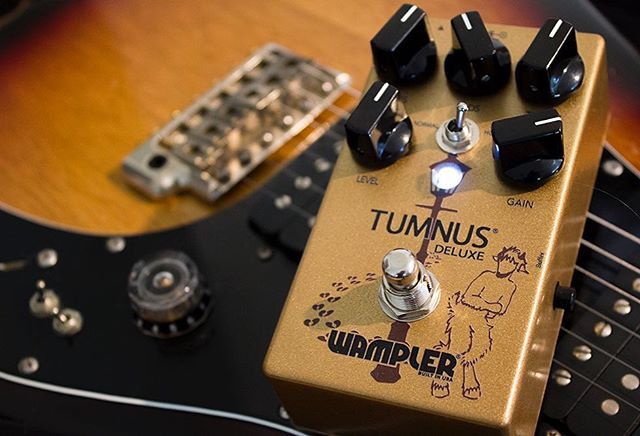 Fuzz pedals with a noise gate: why the two rarely get alongFuzz and noise gates fight over the same territory. Here's why gating a fuzz kills the thing that makes it sound good, and what to do instead.
- Reamping explained: why recording a clean DI first will save your takeReamping means tracking a clean DI first, then running it through amps or sims later. Here's why that one habit fixes most of your home recording headaches.
- String gauge for drop tunings: what actually holds up and what doesn'tDaz breaks down which string gauges actually work for drop tunings on 6, 7 and 8-string guitars, and why going too light wrecks your tone.
- Fuzz into high-gain amp: why it works (and when it falls apart)Running fuzz into a high-gain amp sounds like a terrible idea — until it isn't. Daz breaks down why the combination works, when it collapses, and how to dial it in.
- Scale length explained: how it shapes high-gain tone, feel and tuning stabilityScale length is one of the most overlooked specs on a metal guitar. Here's what it actually does to your tone, tension and tuning stability.
- How neck profile affects your high-gain tone and playing speedNeck profile shapes how fast you play, how your hand fatigues, and how clean your riffing sounds under gain. Here's what actually matters.