How a guitar amp's power stage actually shapes your tone (and why it matters)
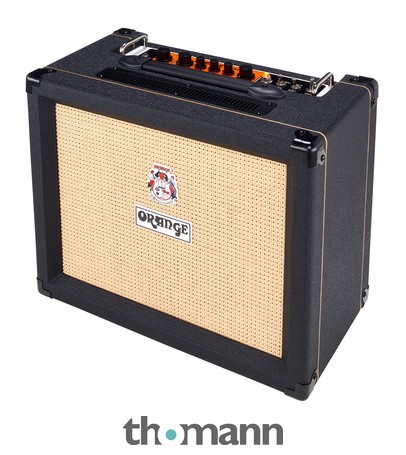
I know, I know — I'm the bass guy. But hear me out. Years in session rooms listening to guitar players chase their tone has taught me something: most of them obsess over the preamp section and completely ignore what's happening in the power stage. The preamp is where you shape the sound. The power stage is where the sound actually becomes itself. That distinction matters a lot, and it's one of those things that clicks once someone explains it plainly.
The two halves of your amp, quickly
Every amplifier — valve, solid-state or modelling — has two main jobs. The preamp section takes the tiny signal from your guitar, boosts it, and gives you your core tone shaping: EQ, gain, the character of any clipping. The power amp section then takes that shaped signal and drives it up to a level that can move a speaker cone. Most players treat the power section like a volume knob. It isn't.
What the power stage is actually doing
In a valve amp, the power tubes — typically EL84s, EL34s or 6L6s depending on the circuit — are doing real work on the signal, not just multiplying it. When they're running hard, they compress and saturate in a way that's very different from preamp clipping. Preamp overdrive tends to be sharper, more immediate, more controllable. Power amp saturation is broader, softer, more three-dimensional. It's the difference between a note that cuts and a note that blooms. That bloom is a big part of why people pay serious money for a 30-watt valve combo when a 5-watt practice amp will technically do the job.
The catch, of course, is that you can't get power amp saturation at low volumes. The tubes need to be working. That's the core tension in the whole wattage conversation, and it's why the best tube amps under $1000 are so often compared on how they handle that balance between headroom and that natural compression at manageable volumes.
Speaker interaction: the part everyone forgets
The power amp doesn't just feed the speaker — it has a relationship with it. The speaker's impedance curve changes across the frequency range, and a valve amp's output transformer responds to those changes in ways that colour the tone. This is one reason the same amp can sound noticeably different through a Celestion Greenback versus a Vintage 30, even at identical settings. The power stage and the speaker are essentially in conversation. Solid-state power amps have much lower output impedance, which means they're more indifferent to the speaker's behaviour — they just drive it. That's not inherently worse, but it is different, and it's part of why valve and solid-state amps have such distinct characters even when the preamp voicings are similar.
Where modelling fits in
Modern modelling amps have gotten genuinely good at capturing preamp character. The harder thing to model has always been power amp behaviour — that dynamic compression, the way a pushed EL34 breathes differently than a pushed 6L6. The better platforms do model it, and some do it convincingly. But if you're playing through a full modelling amp like the Boss Katana-50 MkII (check price), you're ultimately still running through a solid-state power section into a real speaker. Whether that matters depends on what you're after. For recording direct or bedroom practice, it often doesn't matter at all. For a player who specifically wants that power-tube saturation at a gig, it still does.
There are also options like power attenuators and low-wattage designs that try to bridge the gap — getting power amp behaviour at lower volumes. Attenuators work by absorbing some of the power after the output transformer so the speaker receives less of it. They're useful but not magic; an attenuated 50-watt amp doesn't feel quite the same as a 5-watt amp at the same volume, because the power tubes are still running at different operating points.
Practical implications for choosing an amp
If you mostly play at home and record direct, the power stage is less critical to obsess over. A good modelling amp or a small solid-state will serve you well. If you play live and you're chasing that dynamic, responsive quality where the amp reacts to your picking — harder attack, bigger bloom; lighter touch, cleaner response — then the power section matters, and you'll want to think about wattage and tube type, not just the preamp voicing.
A lower-wattage valve amp, like the Orange Rocker 15 (check price), lets you push the power stage at volumes that won't clear a room. A higher-wattage amp gives you more clean headroom before the power stage contributes its colour. Neither is right for everyone — it depends on your playing context. For home practice setups specifically, we've put together a guide to the best practice amps that covers the tradeoffs across amp types at sensible price points.
The short version
Your preamp shapes your tone. Your power stage gives it weight, movement and feel. The two work together, and knowing which part of the circuit is doing what helps you make smarter decisions — whether you're dialling in settings on a gig, choosing between amp types or figuring out why one amp just feels better under your fingers than another. That feeling isn't vague mojo. It's physics, and it's worth understanding.
Common questions
- Does the type of power tube (EL34 vs 6L6 vs EL84) make a noticeable difference in tone?
- Yes, though the circuit design around the tubes matters just as much. Generally, EL84s tend toward a bright, compressed, slightly glassy character — common in British amps like Vox designs. EL34s have more midrange bite and a firm low end — associated with Marshall-style amps. 6L6s are often described as warmer and more open, with a cleaner, more American feel. These are tendencies rather than rules, but if you're comparing amps and they use different output tubes, it's one real factor in why they sound different.
- Can I get power amp saturation at bedroom volumes without buying a new amp?
- A power attenuator placed between the amp's output and the speaker is the most common solution. It lets the power tubes work harder while reducing the volume reaching the speaker. The results vary by design and amp, and some tonal character is always lost compared to the amp running at full tilt into the speaker unattenuated — but for many players, the tradeoff is worthwhile. Some amps also have built-in power reduction switches that physically reduce the plate voltage, which is a different but related approach.
- If I'm recording direct most of the time, does any of this matter to me?
- Less so in practice, though it helps to understand why amp sims sound the way they do. High-quality amp simulation software models both preamp and power amp stages, including the interaction with virtual speaker cabinets. Understanding the real-world principles helps you use those controls more intentionally rather than just turning knobs until something sounds good.
Sheildon here. I'm a bass player, funk and soul mostly, so for me it always comes back to one thing: the pocket. I've spent years in session rooms learning that the best low-end isn't the loudest — it's the note that lands in exactly the right place and just sits there, fat and easy. I get geeky about pickups, string tension and how an amp reproduces the fundamental, but I never lose the groove. Give me something that makes me want to lock in with the kick drum and I'm a happy man.
Funk and soul session bassist; groove and low-end specialist
More from Sheildon
- Bass through a guitar amp: why it never quite worksPlugging bass into a guitar amp seems harmless until the speaker starts farting out. Here's the actual physics of why it struggles, and what to do about it.
- Why a bass amp's wattage number lies to youWatts on a bass amp don't mean what they mean on a guitar amp. Here's why headroom, speaker size and valve vs solid-state design matter more than the number.
 Bass fuzz without the mud: how to keep low end under gainMost fuzz pedals were voiced for guitar and strip your bass of fundamental. Here's how to pick, blend and EQ fuzz so the low end survives.
- Muting technique for bass: why your left hand controls the pocketGood bass tone starts with what you stop ringing, not what you play. Here's how left-hand muting shapes the pocket more than any pedal or EQ setting.
- How acoustic body shape changes the low end you actually hearA bass player's take on why dreadnoughts, jumbos and smaller-bodied acoustics throw the fundamental differently, and what that means when you're picking one.
- Bass string gauge and pickup output: matching the two properlySwapping to heavier bass strings without checking pickup output leaves you fighting your own tone. Here's how gauge, pole spacing and output actually interact.