The Best Reverb Pedals (2026)
By Martin · Updated 10 June 2026
From a simple spring to vast ambient washes — the reverb pedals we'd actually put on our boards, ranked for every budget and style.
Reverb is the effect that turns a dry, sterile guitar into something that sounds like it''s in a real space — a room, a hall, a cathedral, or somewhere that doesn''t exist at all. It''s probably the most-used effect after a tuner, and getting a good one transforms your tone.
The choice comes down to how much you want: a simple, set-and-forget spring, a versatile multi-mode box, or a deep ambient machine for cinematic washes. I''ve grouped my picks exactly that way so you can find the right one fast.
At a glance

| # | Product | Price | Rating | Best for | Buy |
|---|---|---|---|---|---|
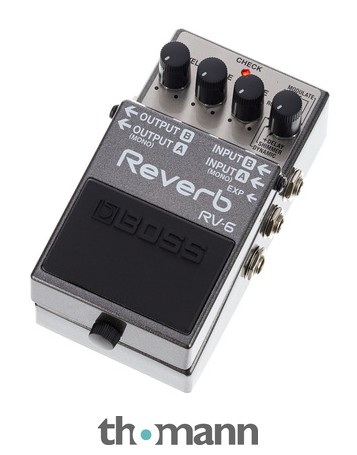
| #1 | Boss RV-6 Reverb Pedals | $165 | 4.5/5 | Eight versatile, high-quality modes | Amazon |
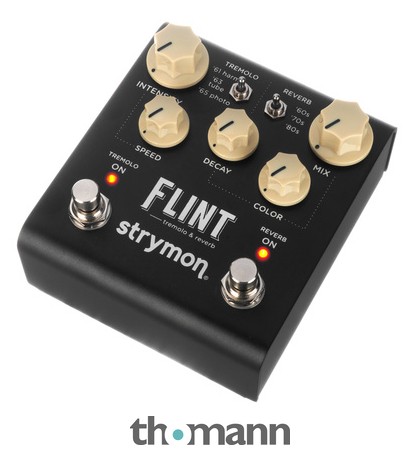
| #2 | $299 | 5.0/5 | Studio-grade reverbs | Amazon | |
| #3 | $149 | 4.0/5 | Versatile reverb types | Amazon | |
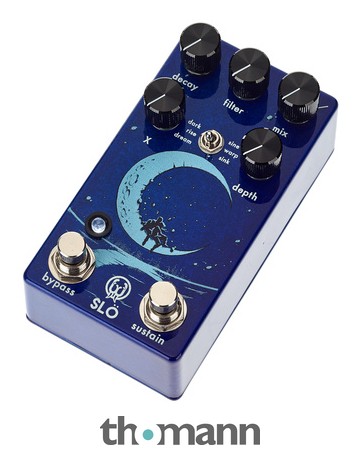
| #4 | $199 | 4.5/5 | Lush, evolving ambient textures | Amazon | |
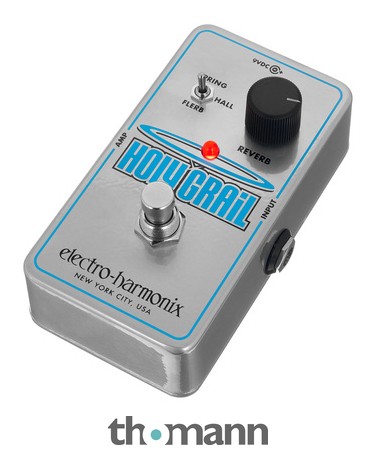
| #5 | $110 | 4.0/5 | Great-sounding spring and hall | Amazon |
Affiliate links — as an Amazon Associate and partner of Sweetwater / Thomann / Reverb / others, we may earn a commission at no extra cost to you.
#1 · Best overall
Boss RV-6 Reverb
Rating: 4.5 / 5
Eight quality modes from spring to shimmer, a delay+reverb mode, and total Boss reliability — the do-everything reverb for most players.
#2 · Best premium
Strymon Flint Tremolo & Reverb
Rating: 5.0 / 5
Three studio-grade reverbs plus superb vintage tremolo in one beautifully-made pedal. Two classic effects, endlessly usable.
#3 · Best value
TC Electronic Hall of Fame 2 Reverb
Rating: 4.0 / 5
Versatile reverb types, TonePrint customisation and pressure-sensitive control at a friendly price.
#4 · Best for ambient
Walrus Audio Slö Multi-Texture Reverb
Rating: 4.5 / 5
Lush, evolving washes with modulation and a sustain/freeze footswitch — the go-to for cinematic, atmospheric playing.
#5 · Best simple/budget
Electro-Harmonix Holy Grail Nano Reverb
Rating: 4.0 / 5
Great-sounding spring and hall in a tiny one-knob box. Quality reverb with zero fuss.
How we chose
We judged these on sound quality first, then versatility and ease of use, then build and value. Reverb usually goes last in your chain (after delay), and most of these run in stereo if you need it. Prices move around — click through for the current price.
Common questions
- Where does reverb go in the signal chain?
- Usually last, after your drives, modulation and delay, so the reverb is applied to your finished tone. Many players put reverb right at the end of the board.
- Do I need a spring reverb specifically?
- Spring is the classic surfy, drippy guitar reverb and most pedals here include it. If you mainly want that vintage amp-style sound, the EHX Holy Grail Nano nails it cheaply; for everything else, a multi-mode pedal like the RV-6 covers spring plus much more.
- Digital or real spring tank?
- Modern digital reverbs sound excellent and are far more versatile and reliable than a real spring tank. Purists chasing one exact vintage spring tone sometimes prefer a tank, but for nearly everyone a good digital pedal is the better buy.
About the author
M
Martin
Pedals & Effects Editor · Bristol, UK
I'm Martin, and I have a problem (it's pedals). I play ambient and post-rock — big washes of reverb, delays into delays, the kind of pedalboard that needs its own roadie — so effects are where I live. I love going down the rabbit hole on a circuit: what's the buffer doing, how does it stack, what happens at the extremes of the knobs nobody dares turn? My reviews tend to wander, because that's how you actually find the magic in a box. I'll always show you the weird, useful corners.
Ambient/post-rock guitarist and lifelong pedal collector