Palm muting and picking hand tension: why your chug dies at higher gain
Three shows in a row last month I noticed the same thing happening on the fourth song in the set: my chug went from tight to mushy and I couldn't work out why. Turned out it wasn't the amp, wasn't the guitar, wasn't even the tuning. It was my picking hand tensing up as my forearm fatigued, and the mute got sloppier note by note without me clocking it in real time. Honestly, this is one of those things that never shows up until you're forty minutes into a set or halfway through a practice session, and by then the damage is done.
Palm muting gets talked about like it's one fixed technique you learn once and keep forever. It isn't. The amount of palm pressure, the exact contact point on the bridge, and how much you let the hand breathe between chugs all shift depending on your gain level, your tuning, and honestly how tired you are. Nobody explains this properly because most technique content is aimed at intermediate players learning the basic mechanic, not at people trying to hold a mute together through a 45-minute set in drop C.
Why higher gain punishes bad muting harder
At low gain, a slightly loose palm mute just sounds a bit ringy. Annoying, but survivable. Crank the gain into modern-metal territory and that same looseness turns into audible harmonic squeal, unwanted overtones, or a chug that just doesn't read as tight on a recording. Gain doesn't create sloppy technique, it exposes it. Every bit of string vibration you're not fully controlling gets amplified, compressed, and shoved forward in the mix.
This is doubly true on seven and eight strings. The low B and low F# strings are thicker and need more contact area to deaden properly, but they also have more mass, meaning if your hand tension varies even slightly, the muting inconsistency is more audible than it would be on a standard-tuned low E. I've had techs on tour tell me the low string mute is the first thing they listen for when checking if a guitarist's technique holds up live, before they even worry about the amp settings.
The tension problem nobody talks about
Here's the bit that actually matters: palm muting isn't about pressing harder, it's about consistent, relaxed contact. The instinct when you want a tighter chug is to dig the palm in harder. That works for about ten minutes, then your forearm starts to fatigue, the muscles tighten up defensively, and your mute pressure starts fluctuating without you noticing. You end up with a chug that varies note to note depending on how tired that particular part of your forearm is at that exact second.
I picked this up the hard way from a guy who used to fix amps with me years ago, before I went full-time touring. He wasn't even a guitarist really, more of an engineer, but he pointed out that a lot of "tone problems" players bring in are actually physical technique issues that show up as tone problems once you're running high gain. He was right more often than I liked admitting at the time.
The fix is boring: build endurance at a moderate pace before you ever try to play a fast palm-muted pattern at full tempo. If your hand can't hold a relaxed mute for two minutes at 100bpm, it's not going to hold one for four minutes at 180bpm with a room full of people watching.
Where your hand actually sits matters more than pressure
Contact point on the bridge changes the sound more than most players realise. Too far back toward the saddles and you get almost no mute at all, just a faint deadening with lots of high-end clank getting through. Move the hand forward, closer to where the strings leave the bridge saddles but with more palm surface over the strings, and you get that tighter, more controlled chug that reads well under gain.
The trick is that the sweet spot moves slightly depending on string gauge and tuning. If you've dropped to a lower tuning without changing string gauge, the strings are looser and floppier, so you generally need a touch more palm surface contact to get the same tightness you had in standard tuning. This is worth reading alongside our piece on string gauge and your amp's sweet spot, because the string tension side of this equation affects your hand technique just as much as it affects your amp's response.
Practising palm muting without your amp doing the lying for you
One thing I got wrong for years: practising palm mutes through a high-gain patch. The compression and saturation smooth over technique problems, so you think you're tight when you're actually not. Practise your muting patterns clean, or at most through a mild edge-of-breakup tone, so you can actually hear the inconsistency in string noise and mute depth. If it sounds controlled clean, it'll sound genuinely tight under gain. If it sounds controlled only because the amp's doing the work, you've got a problem waiting to surface live.
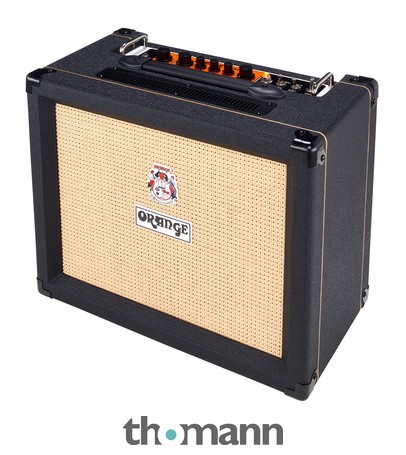
A cheap practice amp or a modelling unit set to a clean or light-crunch patch is honestly ideal here, you don't need your gig rig for this kind of drilling. If you're building a home practice setup around this kind of work, our guide to the best practice amps for home and learning covers some solid low-volume options that won't mask technique flaws the way a full-gain rig will.
Endurance, not just technique
Palm muting consistency is partly a technique issue and partly a straightforward endurance issue, and most players only train the first one. Try this: play a simple eighth-note palm-muted riff at a comfortable tempo and just hold it for three minutes straight, focusing on keeping the exact same pressure and contact point the whole way through. Most players notice their tension creeping up around the ninety-second mark. That's the point your muting starts degrading on stage or in a long take, and it's exactly the muscle memory you need to override.
If you're tracking rhythm parts for recording, this matters even more, because a slightly inconsistent mute across sixteen bars is far more obvious on a static recording than it is live where the room and the drummer mask a lot. Worth pairing this awareness with good gain staging generally, our piece on where gain pedals actually clip covers the amp-side half of this same problem.
Guitars set up for low tunings help here too. A guitar built or set up properly for the tuning you're playing, with correct relief and string height, gives you a more predictable string response, which makes consistent muting a lot easier to maintain. If you're shopping specifically with heavier tunings in mind, have a look at our roundup of the best guitars for metal, several of those are built with exactly this kind of low-tuned rhythm work in mind.
None of this is exciting advice. There's no pedal that fixes it and no amp setting that papers over it for long. But get the tension and contact point sorted and consistent, and everything downstream, your gain staging, your palm-muted breakdowns, your recorded rhythm tracks, just gets easier to control.
Common questions
- Why does my palm mute sound fine at home but sloppy live?
- Usually fatigue and stage volume masking. At home you're playing shorter bursts at lower volume, so tension creep in your picking hand doesn't get exposed. On stage, longer sets and louder monitoring reveal inconsistency in your mute pressure that was already there.
- Does a heavier string gauge make palm muting easier?
- Generally yes for lower tunings, because heavier strings hold more tension and respond more predictably under the palm. Very light strings tuned low can feel floppy and require more contact area to mute cleanly.
- Should I mute with the edge of my palm or more of the hand?
- Most players use the fleshy edge of the palm near the wrist, adjusting how much surface area contacts the strings depending on how tight or open they want the mute. More surface area generally means a tighter, deader chug.
- Is palm muting technique different for seven and eight string guitars?
- Yes. Thicker low strings need more consistent contact to deaden fully, and any variance in your hand pressure is more audible on those strings than on a standard low E, especially under high gain.
I'm Daz and I play LOUD. Spent years on the road playing modern metal — drop tunings, seven and eight strings, the works — so high-gain tone is genuinely my whole life. Honestly, I came up worshipping tube heads and 4x12s, then digital modellers got good enough to change my mind completely, and now I run a profiler at every gig. I care about two things: does it djent, and does it hold together when you stack the gain? I'll measure the noise floor so you don't have to.
Touring metal guitarist; multi-scale and digital-modelling specialist
More from Daz
 Why fan-fret and multiscale necks actually matter for low tuningsMultiscale necks aren't a gimmick for drop-tuned players. Here's what fan frets actually fix, and when a straight scale is still the smarter buy.
- Why a metalhead should still own one acoustic guitarDaz explains why even a drop-tuned, high-gain player benefits from one decent acoustic, and what actually matters when picking one.
 Pickup output vs string gauge: the real relationship for high gainDaz breaks down how pickup output and string gauge actually interact on high-gain rigs, and why chasing bigger output isn't the fix for a flabby low string.
- Trails and freeze effects: building ambience that doesn't fight your riffTrails and freeze modes can build huge ambient textures on a high-gain rig without turning your chug into soup. Here's how I actually use them.
- Analog vs digital ambient tones on a high-gain rigAnalog or digital delay and reverb for a high-gain rig? Here's how each behaves under gain, and how to set them so the chug survives.
- Scale length and drop tunings: why it matters more than you thinkStruggling to keep drop tunings tight and in-tune? Scale length changes string tension more than gauge does. Here's what actually works.