Pick hand accuracy at low gain: why practising clean exposes your riffs
Last week I was tracking a rhythm part at home, di-boxed straight into the interface with basically no gain on it, and I heard a pick slip I've apparently been doing for about six months. Six months. Live, through a wall of gain and a cab sim doing its thing, that slip was invisible. Clean, it sounded like a mistake because it was one. That's the whole article really, but let me back up.
Honestly, high gain is the most forgiving format a guitarist can practise in, and that's the problem. Compression from the amp or profiler squashes your dynamics. Saturation smears the attack transient so two notes that don't quite line up start to sound like one note. Noise gates chop off the messy bits before they ever reach the speaker. Every single one of these things is doing you a favour on stage and doing you no favours whatsoever in the woodshed.
What low gain actually reveals
Drop the gain right down, or better, go fully clean, and every inconsistency in your picking hand is suddenly on show. Uneven note lengths. A pick attack that's harder on the downstrokes than the up. Palm mutes that vary in pressure bar to bar without you noticing. String noise you were relying on the gate to eat. None of it is hidden anymore because there's no compression doing the smoothing and no distortion doing the sustain for you.
I first properly understood this when I was tracking an album with a click track and the producer made me play every rhythm part clean before we committed to amp tones. I thought it was a waste of a day. It wasn't. I found tempo drift I didn't know I had, a tendency to rush fills after open string pull-offs, and a palm mute that got lazy after bar four of any repeated section. All of that had been sitting in my playing for years, just wallpapered over by gain.
Why this matters more with modern high-gain rigs
I run a profiler at every gig now and I'll defend that choice all day, but I'll also say plainly: modern high-gain tones, whether from a profiler or a modeller or a genuinely cranked head, are more forgiving than ever. Tight noise gates, aggressive compression in the amp block, cab IRs that round off harshness, they all conspire to make average picking sound tight. That's great for a live mix. It's a trap if it's the only lens you ever practise through.
If you're building rhythm tone around a modelling platform, it's worth reading how gain staging and boosting interact with an amp block, because the same compression that flatters your picking can also flatten your dynamics entirely if you're not careful, see boosting a modeller's amp block for more on that relationship. The short version: the cleaner your input signal is technique-wise, the more that gain stage has to work with, rather than working to disguise.
The practice routine that actually fixes it
Here's what I do, and what I get my touring rhythm section to do before a record. Take the riff at performance tempo, clean tone, no gate, no compression pedal, nothing. Not slowed down either, that's a different exercise for a different problem. Play it through and listen specifically for: are your downstrokes and upstrokes the same volume, does every palm-muted note stop at the same point, and is there any pick noise on your open strings when you're not touching them.
You will hear things you don't like. Good. That's the point. Fix those specific things clean, at tempo, before you touch the gain knob again. Then bring the gain back up gradually rather than jumping straight to your gig tone, because a mid-gain stage will still expose more than your full metal tone will, and it's a useful checkpoint on the way back up.
This connects directly to something I've written about before, which is that your picking hand is really the gate on most high-gain riffs, not the pedal or the amp's noise reduction, see rhythmic muting and your right hand. Practising clean is how you actually train that hand rather than just trusting the gear to cover for it.
A gear side note: practising through the right amp
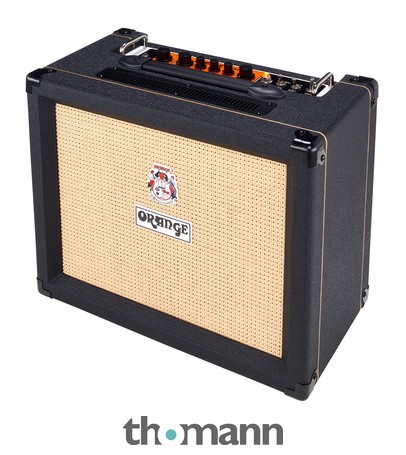
You don't need your full rig for this. Honestly a small practice amp with a genuinely clean channel does the job better than your gig amp with the gain rolled off, because a lot of high-gain amps still have some voicing baked into the clean channel that flatters you. Something like the amps covered in our best practice amps guide will give you an honestly flat, low-compression clean tone to expose technique against. I keep a cheap modelling combo by the couch for exactly this, nothing fancy, just brutally honest.
If you're on a modeller for practice too, resist the urge to load a high-gain patch "at low volume" and call it the same exercise. It isn't. The gain structure of the amp model is still doing the same forgiving work regardless of how loud you've got the monitor. You need an actually clean or near-clean signal path for this to expose anything useful.
Where this leaves your alternate picking
There's crossover here with the alternate-picking-versus-economy-picking debate for palm-muted riffs, because your choice of picking pattern changes what clean practice exposes. If you're an alternate picker, clean practice will show you asymmetry between down and up strokes almost immediately, it's usually the first thing that surfaces. Economy pickers tend to show timing inconsistencies around string changes instead. Worth reading alternate vs economy picking for palm-muted riffs if you're not sure which camp you're actually in, because the clean-practice diagnosis looks different depending on your technique.
My mildly unpopular opinion here: I think most high-gain players practise almost exclusively through gain because it's more fun, and I get that, gain is fun, that's why we're all here. But if you only ever rehearse in the tone that hides your mistakes, you're not actually rehearsing the riff. You're rehearsing a slightly better version of whatever you already do. Twenty minutes clean before you plug back into the wall of gain will tell you more about your playing than another hour spent chasing the perfect gate threshold.
Common questions
- Does this mean I should practise everything clean from now on?
- Not everything, but building clean or near-clean practice into your routine regularly, especially when learning new riffs, is genuinely useful. Once a riff is solid clean, bringing the gain back up should feel like an upgrade, not a rescue.
- What if I don't own a separate clean amp for practice?
- Most modelling amps and profilers have a genuinely clean patch you can dial in with the gain right down and minimal compression. The key is turning off gates and heavy compression blocks too, not just backing off the gain knob.
- My picking sounds fine clean but falls apart live. Is this still relevant?
- Yes, that's usually a stamina or stage-volume issue rather than a technique issue, but it's worth checking clean first to rule out a fundamental picking problem before you start troubleshooting stage volume or in-ear mix.
- How long should a clean practice session be before going back to gain?
- Fifteen to twenty minutes on the specific riff or passage you're working on is usually enough to expose the problems and start correcting them. You don't need to rehearse a whole set clean every time.
I'm Daz and I play LOUD. Spent years on the road playing modern metal — drop tunings, seven and eight strings, the works — so high-gain tone is genuinely my whole life. Honestly, I came up worshipping tube heads and 4x12s, then digital modellers got good enough to change my mind completely, and now I run a profiler at every gig. I care about two things: does it djent, and does it hold together when you stack the gain? I'll measure the noise floor so you don't have to.
Touring metal guitarist; multi-scale and digital-modelling specialist
More from Daz
 Why fan-fret and multiscale necks actually matter for low tuningsMultiscale necks aren't a gimmick for drop-tuned players. Here's what fan frets actually fix, and when a straight scale is still the smarter buy.
- Why a metalhead should still own one acoustic guitarDaz explains why even a drop-tuned, high-gain player benefits from one decent acoustic, and what actually matters when picking one.
 Pickup output vs string gauge: the real relationship for high gainDaz breaks down how pickup output and string gauge actually interact on high-gain rigs, and why chasing bigger output isn't the fix for a flabby low string.
- Trails and freeze effects: building ambience that doesn't fight your riffTrails and freeze modes can build huge ambient textures on a high-gain rig without turning your chug into soup. Here's how I actually use them.
- Analog vs digital ambient tones on a high-gain rigAnalog or digital delay and reverb for a high-gain rig? Here's how each behaves under gain, and how to set them so the chug survives.
- Scale length and drop tunings: why it matters more than you thinkStruggling to keep drop tunings tight and in-tune? Scale length changes string tension more than gauge does. Here's what actually works.