Overdrive vs distortion: what's actually different, and which one you need
I had a student last month bring in a Boss DS-1 and ask why it didn't sound like the "blues tone" his mate got on YouTube using an overdrive. Fair question. Nobody had told him overdrive and distortion aren't just two words for the same box turned up different amounts. They're built differently, they respond differently to how you play, and buying the wrong one is one of the most common beginner mistakes I see, right after buying an amp with more channels than the student will ever use.
So let's sort it out properly, without the marketing fluff.
What overdrive actually does
An overdrive pedal is designed to mimic what a valve amp does when you push it hard, that soft, rounded compression that happens when the power section starts to run out of clean headroom. Most overdrive pedals use what's called soft clipping. The circuit gently rounds off the peaks of your signal rather than chopping them flat. The result keeps a lot of your pick attack and dynamics intact. Play softer, you get something close to clean. Dig in, it growls. Roll back your guitar's volume knob, it cleans up further still.
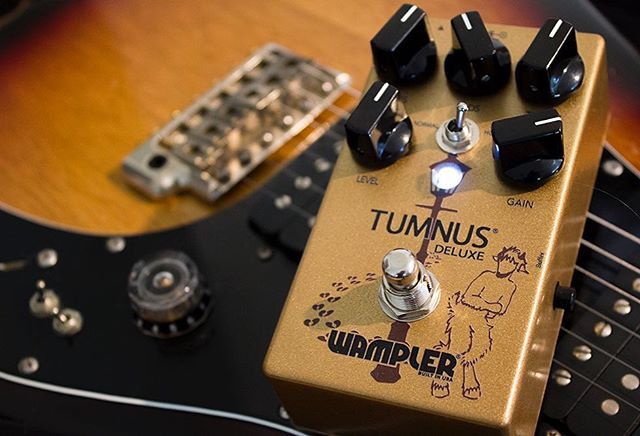
That responsiveness is the entire point of the category. A Tube Screamer style pedal, something like the Ibanez TS9 (check price), or a transparent-style box like the Wampler Tumnus (check price), isn't trying to be your whole sound. It's built to nudge an already-decent amp tone forward, add some midrange push, and let the amp do the rest of the work. Same goes for the Boss SD-1 (check price) and the Fulltone OCD (check price), though the OCD sits at the hairier end of what most people'd still call "overdrive" — it can get close to light distortion territory depending how you set the gain.
What distortion actually does
Distortion pedals use hard clipping, sometimes clipping the signal against the power rails rather than diodes, which chops the waveform much closer to a square wave. That's a more aggressive, more compressed, more sustained sound. It's less picky about your dynamics — dig in or play soft, you get a similar wall of gain either way, which is exactly why players who want thick rhythm tone or extra sustain reach for pedals like the Boss DS-1 (check price) or the ProCo RAT 2 (check price).
Neither approach is "better". They're built for different jobs. I'd argue the RAT is actually one of the more versatile pedals going, because its filter control lets you dial some of that harshness back out, but fundamentally it's still hard clipping under the hood, and that changes how it reacts to your guitar's volume knob compared to a Tube Screamer.
Why this matters more than the label on the box
Here's the bit that trips beginners up. The words "overdrive" and "distortion" on a pedal's faceplate are marketing categories, not strict technical descriptions. Some "distortion" pedals use soft clipping. Some "overdrive" pedals, cranked up, get properly aggressive. The RAT calls itself distortion but plenty of players run it as an overdrive at low gain settings. So don't shop by the label. Shop by asking what you actually want the pedal to respond to.
If you want a pedal that feels alive under your fingers, cleans up when you back off the volume knob, and reacts to how hard you pick, you want something built around soft clipping — that's the overdrive camp. If you want a tone that stays thick and full regardless of dynamics, good for rhythm chugging or a more modern rock wall of gain, that's what hard clipping distortion is built for.
How your amp changes the answer
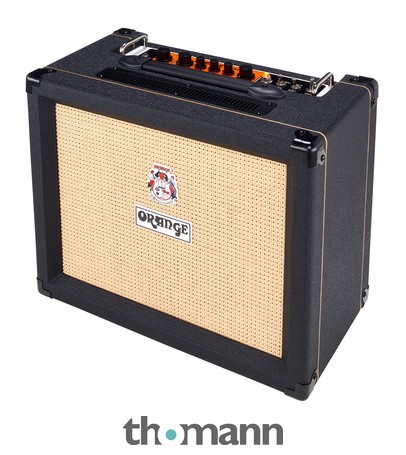
This is the part I really want beginners to understand before they spend money. A pedal's clipping character interacts with your amp's own clipping. If you've already got a valve amp breaking up nicely on its own, like a Fender Blues Junior IV (check price) or an Orange Rocker 15 (check price), a low-gain overdrive stacked in front just pushes the amp's own valve stages harder. You get amp distortion with pedal seasoning, which is why so many blues and classic rock players run a Tube Screamer as an "always-on" boost rather than their main distortion source.
Run that same amp clean and hit it with a hard-clipping distortion pedal instead, and you're getting almost all your gain from the pedal itself, with the amp mostly just amplifying an already-distorted signal. Neither is wrong, but they feel different under your hands, and if you're gigging on a rented backline you don't control, it's worth knowing which one you actually rely on. I've got a longer piece on this exact interaction over in how your amp's clean channel affects your overdrive pedal tone, worth a read if you're chasing a specific sound and can't work out why it won't translate from one amp to another.
If you're playing through a solid-state practice amp or something like a Boss Katana-50 MkII (check price), the pedal's job is bigger, because you're not getting help from valve breakup. In that case a distortion pedal, or an overdrive with the gain wound up, is doing more of the heavy lifting on its own.
My honest take on what beginners should buy first
Buy an overdrive before you buy a distortion pedal. Nearly always. It's more forgiving, it teaches you how gain and dynamics interact, and it'll work across more styles as your playing changes over the next few years. A cheap distortion pedal bought too early tends to become a "max gain, one tone" crutch, and I've taught enough students to see that pattern repeat. Get comfortable with an overdrive first, learn what your volume knob and pick attack are doing to the sound, then add distortion later once you actually know what you're missing. Our best overdrive and distortion pedals guide has current picks across both categories if you want a shortlist rather than forty tabs of comparisons.
And if you're stacking pedals eventually, which most players end up doing, it helps to understand the order things go in — I've written about that separately in how to stack two overdrive pedals for better tone.
The short version
Overdrive clips softly and respects your dynamics. Distortion clips harder and flattens them out for a thicker, more constant tone. The label on the pedal is a rough guide at best, not gospel. What actually matters is what your amp's doing before the signal even hits the pedal, and what you personally want happening under your fingers when you dig in or back off. Work that out first, and the buying decision gets a lot easier.
Common questions
- Can I just use a distortion pedal for everything and skip overdrive?
- You can, but you'll lose a lot of touch sensitivity. Distortion pedals tend to sound similar whether you play soft or hard, so you give up the dynamic range that makes overdrive useful for blues, classic rock and most lead playing. Fine for constant-gain rhythm work, less good for expressive playing.
- Why does my overdrive pedal sound different on my practice amp compared to my mate's tube amp?
- Because overdrive pedals are designed to work with valve amp breakup, not replace it. A solid-state amp gives the pedal nothing to push against, so you're hearing the pedal on its own rather than the pedal plus amp combination it was voiced for.
- Is a Tube Screamer type pedal only good for blues?
- No, it's just most associated with blues and classic rock because of its midrange push. Plenty of metal players use one as a boost in front of a high-gain amp too, just to tighten up low-end and add front-end push, not as the main distortion source.
- Should beginners buy a multi-effects pedal instead of choosing one overdrive or distortion?
- It's a reasonable shortcut if you want to experiment with both types before committing money, but you'll learn faster with one dedicated pedal you actually understand inside and out, rather than twenty presets you're just scrolling through.
I'm Rob, and I've taught guitar for over fifteen years — which means I've watched hundreds of beginners buy the wrong thing because someone baffled them with jargon. So that's my job here: cut through it. I genuinely love good budget gear, the kind that punches way above its price and actually keeps a new player playing. I'll tell you in plain English what matters, what doesn't, and what's a waste of your first hundred quid. No snobbery, no gatekeeping — just honest help getting started right.
Guitar teacher (15+ yrs); beginner and budget-gear specialist
More from Rob
 A basic setup checklist every beginner guitarist should knowA plain-English checklist for spotting when your guitar needs a setup, plus what you can check yourself before paying a tech.
- Combo, head and cab, or modelling amp: which type actually suits you?Combo, head-and-cab, or modelling amp? Here's the plain-English breakdown of which amp type actually fits your situation, not your fantasy gig.
- How often should you actually restring your guitar?No, it's not every three months by law. Here's how to actually tell when your strings are done, based on playing habits, not the calendar.
- What does 'true bypass' actually mean on a pedal?True bypass is one of the most-argued terms in pedal-land. Here's what it actually means, why it matters (and when it really doesn't).
- Electric guitar action explained: what it is and why beginners should careHigh action makes learning guitar harder than it needs to be. Here's what action actually is, how to spot a bad setup, and what to do about it.
- How alternate picking technique affects the guitar you needYour picking technique shapes your tone before any amp or pedal gets involved. Here's what that means for choosing your first or next guitar.