How to use fuzz on bass: keeping the low end locked while getting the dirt
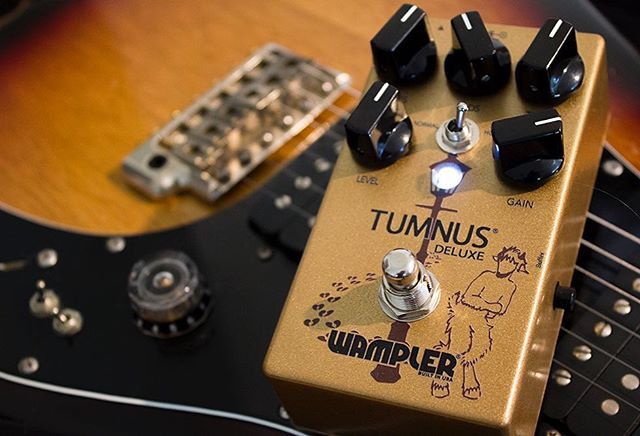
Fuzz on bass is one of those things that sounds like an obvious good idea — until you actually try it and suddenly the bottom drops out of the mix, your bandmates are giving you looks, and the kick drum has nowhere to live. I've been there. The problem isn't fuzz itself; fuzz on bass is genuinely brilliant when it's handled right. The problem is that most fuzz pedals were designed with guitar fundamentals in mind, and bass fundamentals sit in a completely different part of the frequency spectrum. So you need to think about it a little differently.
Why fuzz behaves differently on bass
A standard fuzz circuit clips the signal heavily and generates a ton of upper harmonics. On guitar, those harmonics sit in a range where they add body and presence. On bass, the same circuit can actually suppress the fundamental — the note itself — because the clipping and harmonic generation is happening at frequencies that compete with or mask the low end rather than decorating it. The result is a sound that's buzzy and aggressive in a band context but thin and disconnected from the groove. The note loses its weight. In a funk or soul setting, that's a serious problem. Even in heavier genres, a bass that can't anchor the low end is just noise.
The other thing worth knowing is that bass signals hit a fuzz input at a higher level than a guitar does, especially if you're playing an active bass. Many classic fuzz circuits — germanium designs in particular — are sensitive to input impedance and level in ways that can cause the pedal to behave unpredictably: gating out, sputtering, or just compressing oddly.
The parallel blend trick — and why it matters more on bass than anywhere else
The single most useful thing you can do when running fuzz on bass is blend in your clean signal underneath it. Some bass-specific fuzz pedals have this built in. Others don't, and in that case you use an external blender pedal or a loop switcher with a blend control. The principle is simple: you send your clean, unaffected signal alongside the fuzz signal and mix them together at the output. The fuzz provides the hair and the character, and the clean signal provides the fundamental — the thing that makes the note land and sit in the pocket.
How much clean you blend in depends on the context. In a solo bass moment or a sparse arrangement, you can lean heavier on the fuzz. In a dense mix with piano, brass, or multiple guitars, you'll probably want the clean signal sitting fairly prominently — maybe 60 to 70 percent of the overall level — with the fuzz adding texture rather than replacing the core sound. Get comfortable adjusting that ratio by ear in context. What sounds huge in a bedroom practice room can disappear in a live mix.
Choosing a fuzz that actually works for bass
Not all fuzzes treat bass equally. There are a few categories worth knowing:
- Big Muff-style circuits tend to work reasonably well on bass because they have a natural mid-scoop and a lot of sustain without completely obliterating the low end. The Electro-Harmonix Green Russian Big Muff (check price) has a warmer, darker character that suits bass particularly well compared to some of the brighter Pi variants. The Big Muff Pi (check price) itself can work with careful EQ but can get thin in a band mix.
- Fuzz Face-style circuits are trickier on bass. The germanium versions especially are very sensitive to input level and can gate or splutter when hit with a hot bass signal. Silicon versions tend to be more stable but still need that clean blend underneath. The Dunlop Fuzz Face Mini Silicon (check price) is worth experimenting with if you keep a clean blend in the chain.
- Dedicated bass fuzz pedals usually have the blend control built in, sometimes a low-pass filter option, and input buffers designed to handle a hotter signal. These are genuinely worth seeking out if fuzz is going to be a regular part of your sound rather than an occasional novelty.
If you want to explore the wider fuzz landscape, our best fuzz pedals guide covers a solid range of options, including some that translate well to bass.
Where fuzz goes in your signal chain
Put fuzz early in the chain — right after the bass and before anything else except a tuner. Specifically, fuzz does not play nicely after a compressor. A compressor boosts the input level hitting the fuzz, and depending on the circuit, that can cause gating or odd clipping behaviour. Run fuzz before compression if you're using both.
If you're using a wah with fuzz — a classic combination — traditional advice says fuzz before wah, particularly with germanium fuzzes that are sensitive to what's sitting before their input. Try both orders and trust your ears, but start with fuzz first.
Keep fuzz away from buffered pedals sitting directly before it if you're using a vintage-style germanium circuit. Buffers change the impedance seen by the fuzz input and can alter the character significantly, sometimes for the better but often not. True bypass or a dedicated buffer-friendly fuzz design solves this.
Classic fuzz bass tones worth studying
A few reference points if you want to hear what good fuzz bass sounds like in context: the Motown session recordings of the late 1960s occasionally featured fuzz bass in specific tracks, but the real education is in psychedelic soul and early funk — listen to how the fuzz sits in the arrangement, never overwhelming the kick and snare, always tracking the groove. More recently, bass players in indie, alternative and post-rock settings have made fuzz a central texture. In all these cases, the note is still the note. The fuzz is clothing, not the body underneath it.
If you're building out a full board around your bass fuzz sound, it's worth thinking about the whole signal chain. Our overdrive and distortion pedals guide covers some dirt options that can complement or replace fuzz depending on the sound you're after.
A final word on amp and cab response
Fuzz on bass stresses speakers. The clipped, harmonically rich signal contains a lot of high-frequency content that a standard bass cab isn't always designed to handle at volume. Keep an eye on your speaker if you're pushing a fuzz hard — and be aware that different amp voicings will interact with fuzz differently. A naturally warm, mid-forward amp often makes fuzz sit better in a mix than a very scooped or hi-fi clean amp. The amp is part of the tone, not just the delivery mechanism. Pay attention to it.
Right, that's the framework. Experiment, use your ears, and keep the groove first. The fuzz serves the pocket, not the other way around.
Common questions
- Can I use a guitar fuzz pedal on bass, or do I need a bass-specific one?
- You can use a guitar fuzz pedal on bass, but you'll almost certainly need to blend in your clean signal underneath it to preserve the fundamental. Bass-specific fuzz pedals often have that blend control built in and are voiced to avoid the low-end loss that guitar-oriented circuits can cause, so they're the easier starting point — but plenty of bass players get great results from guitar fuzz pedals with a parallel clean blend in the chain.
- Why does my fuzz pedal cut out or gate weirdly when I play bass through it?
- This is most common with germanium Fuzz Face-style circuits. They're sensitive to the input impedance and signal level they see, and a bass — especially an active one — can hit them harder than they're designed to handle. Try turning your bass's volume down slightly, or place a true-bypass switcher before the fuzz to ensure it's seeing the correct impedance. If the problem persists, a silicon fuzz or a dedicated bass fuzz with a buffered input will likely behave more reliably.
- Should I put a compressor before or after fuzz on my bass pedalboard?
- After. Running a compressor before your fuzz changes the input level and dynamics hitting the fuzz circuit, which can cause unpredictable gating or clipping behaviour. Put the fuzz first in the chain, then compress the output if you need to even out the dynamics. The compressor after the fuzz also helps tame some of the wild level variations that heavy fuzz settings can produce.
- How much clean blend should I use with fuzz on bass?
- It depends entirely on the context. In a sparse arrangement, you can get away with more fuzz and less clean signal. In a dense live or studio mix, you'll often want the clean signal sitting at 60 to 70 percent of the overall level, with the fuzz adding texture on top. The key test is always in the context of the full band — what sounds balanced on its own can disappear or overwhelm in a mix, so adjust by ear with the whole arrangement playing.
Sheildon here. I'm a bass player, funk and soul mostly, so for me it always comes back to one thing: the pocket. I've spent years in session rooms learning that the best low-end isn't the loudest — it's the note that lands in exactly the right place and just sits there, fat and easy. I get geeky about pickups, string tension and how an amp reproduces the fundamental, but I never lose the groove. Give me something that makes me want to lock in with the kick drum and I'm a happy man.
Funk and soul session bassist; groove and low-end specialist
More from Sheildon
 Acoustic guitar body shapes explained: how size and depth affect tone and playabilityFrom parlour to jumbo, acoustic body shapes change how a guitar feels under your arm and how it reproduces low-end. Here's what to listen for.
- How your plucking-hand technique shapes your bass tone (and your gear choices)Where and how you pluck the string changes your bass tone more than most gear swaps. Sheildon explains why technique should drive your equipment decisions.