How your plucking-hand technique shapes your bass tone (and your gear choices)
Here's something I tell every bassist I work with in a session context: before you start chasing a tone with new gear, spend an afternoon moving your plucking hand around the body of your bass. The difference between digging in near the bridge versus floating your thumb over the neck pickup is, honestly, more dramatic than swapping between most bass models in the same price bracket. Once you understand that, your gear choices start making a lot more sense.
The three plucking positions and what they actually do
Think of your string as a vibrating object with a personality that changes depending on where you disturb it. Pluck close to the bridge and you're catching the string near its most rigid point — you get a tighter, more focused tone with pronounced upper harmonics and a quicker decay. That's your slap tone, your aggressive fingerstyle tone, your cutting-through-a-dense-mix tone.
Move your hand to roughly the middle of the string — somewhere between the end of the neck and the bridge pickup — and you start finding what I'd call the pocket position. The fundamental opens up, the note blooms a little longer, and there's a warmth that sits beautifully in a mix without fighting the kick drum. Most of my session work happens right there.
Float up toward the neck, or actually rest your thumb on the neck pickup and pluck over it, and you get a deep, round, almost upright-bass quality. Huge fundamental, very soft attack, rolls off the upper mids. Brilliant for ballads and slower soul grooves, harder to control in a fast funk line because the note takes a beat to speak.
Why this should inform which pickups you buy
Here's where it connects to gear. If you predominantly play near the bridge, you're already generating a bright, harmonically complex signal. A bass with naturally warm, dark pickups — think a split-coil P-style — will complement that beautifully, balancing out the brightness your technique is adding. If you then bolt on a set of aggressive, high-output humbuckers, you risk an almost harsh result in a live mix.
Conversely, if you're a floating-thumb-near-the-neck player, you may find a single P pickup sounds a touch woolly and undefined. A J-style bass with a bridge pickup blended in can restore some articulation that your right-hand position is naturally rolling off. I've watched bassists spend serious money on boutique pickups when all they really needed to do was shift their plucking hand two inches south.
The same principle extends to strings. Higher-tension, brighter strings reward a softer, more central plucking position. Lower-tension, rounder strings can handle a more aggressive attack near the bridge without going all floppy and uneven. It's a conversation between your hands and your rig, not a one-way street.
Attack angle: the thing nobody talks about
Beyond position, the angle at which your fingers strike the string matters. Coming in parallel to the body — fingertips hitting the string fairly flush — produces a rounder, more even tone. Angling your attack so the fingertip catches the string with a slight downward motion adds more of an initial transient, a little percussive click at the front of the note. In a funk context, that click is your best friend. In a ballad session, it can sound like you're typing.
This affects how you should think about your amp's EQ, too. If your technique generates a strong initial transient, you don't need to boost the high-mids on your amp to cut through — it's already there. A lot of bassists boost the mids, then wonder why the attack sounds harsh. They've doubled up on something their technique was already delivering.
Dynamics and why your amp's headroom should match your touch
Playing with a wide dynamic range — soft for verses, really digging in on the chorus — is a beautiful thing in a live or session setting, but it puts real demands on your amp. If your amp compresses too early at its input stage, it will even out that dynamic variation before it can be heard in the room, which defeats the whole purpose of developing a sensitive touch.
This is why I always suggest understanding how hard you actually play before choosing amplification. A bass amp with generous clean headroom rewards players with dynamic, touch-sensitive technique. If you consistently play very hard and want a consistent compressed tone, that's a different amp conversation entirely. Neither approach is wrong — they're just different tools for different grooves. The key is knowing which player you are before you buy.
Putting it together: a practical exercise
Grab your bass and a simple loop or drum track. Play the same groove four times: bridge position with a firm attack, bridge with a light touch, middle position with a firm attack, and neck position with a light touch. Record it if you can. Listen back and treat those four versions as four different instruments — because tonally, they practically are. That spread represents the palette your technique gives you before a single piece of gear changes.
Once you've heard it, you'll have a much clearer picture of what your actual tonal gaps are and what gear might genuinely fill them. It's the same principle that applies to guitarists thinking about choosing a practice amp that honestly reflects your playing — you need to hear yourself clearly before you can make smart equipment decisions.
The pocket isn't just a rhythmic concept. It's a physical place on your bass where your hand lives. Find yours, understand what it sounds like, and your gear choices will follow naturally from there.
Common questions
- Does plucking position matter more than pickups for bass tone?
- In many practical situations, yes. Moving your plucking hand from the bridge to the neck position can produce a more dramatic tonal shift than swapping between two different bass pickup configurations. Understanding your hand position first helps you identify what role pickups and other gear actually need to play.
- How do I know if I'm playing too hard or too soft?
- Recording yourself is the quickest way to find out. A consistently hard attack that your amp's input stage is compressing will sound flat and dynamically lifeless on playback. A consistently soft attack may sound clean but lack presence in a band mix. Aim for a touch where you can clearly hear dynamic variation between your quiet and loud playing in a recording.
- Should I change my technique or buy new gear to get a better tone?
- Start with technique. Experiment with plucking position and attack angle using the gear you already have. If you've genuinely maxed out what your instrument and amp can offer with a refined technique, then it's a fair time to consider gear changes. Most of the time, a technique adjustment gets you further for free.
- Does this apply to players who use a pick?
- Absolutely. The same positional logic applies — picking near the bridge produces a brighter, more defined tone; picking toward the neck rounds things out considerably. Pick angle and attack firmness also have a significant effect on the transient character of the note, in much the same way as fingerstyle attack angle does.
Sheildon here. I'm a bass player, funk and soul mostly, so for me it always comes back to one thing: the pocket. I've spent years in session rooms learning that the best low-end isn't the loudest — it's the note that lands in exactly the right place and just sits there, fat and easy. I get geeky about pickups, string tension and how an amp reproduces the fundamental, but I never lose the groove. Give me something that makes me want to lock in with the kick drum and I'm a happy man.
Funk and soul session bassist; groove and low-end specialist
More from Sheildon
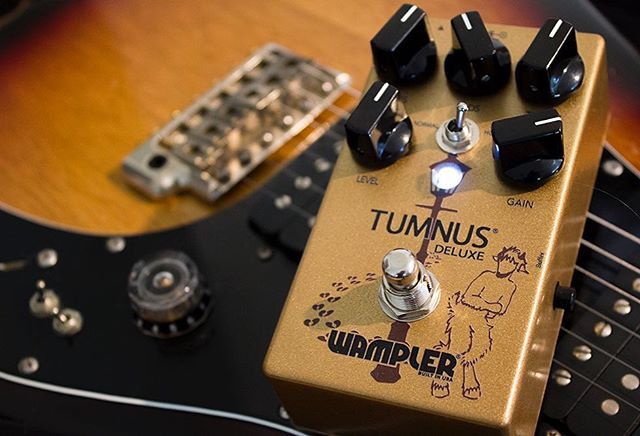 How to use fuzz on bass: keeping the low end locked while getting the dirtFuzz on bass sounds huge — until it eats your fundamental. Here's how to pick the right fuzz, set it up, and keep the groove sitting where it should.
- Acoustic guitar body shapes explained: how size and depth affect tone and playabilityFrom parlour to jumbo, acoustic body shapes change how a guitar feels under your arm and how it reproduces low-end. Here's what to listen for.