Your first fuzz pedal: a beginner's guide that actually makes sense
Had a student bring in a fuzz pedal last month, dead chuffed with it, and it sounded like a dying bee through his practice amp. Not because the pedal was bad. Because nobody told him fuzz is the one effect that genuinely doesn't play nice until you understand a couple of basics. So let's sort that out, because I'd say fuzz causes more "why does my gear sound wrong" messages than any other pedal category I get asked about.
First thing to get straight: a first fuzz pedal is not the same purchase as a first overdrive pedal. Overdrive is forgiving. You can plug almost any overdrive into almost any amp and it'll sound like something reasonable. Fuzz is fussier. It reacts to your guitar's pickups, your volume knob, and even your amp's input in ways overdrive mostly doesn't. That's not a flaw, it's the whole appeal, but it trips people up constantly.
What fuzz actually is (and why it's not just "more distortion")
Overdrive and distortion pedals use diodes to gently round off your signal's peaks. Fuzz works differently. Classic fuzz circuits slam the signal into hard clipping using transistors, and the result is a thicker, more compressed, almost synth-like texture rather than a squarer, more amp-like crunch. If you want the technical side of diode clipping versus transistor clipping, I'd point you to our piece on overdrive and distortion pedals, which covers that ground well.
There are really three families worth knowing as a beginner, and almost every fuzz pedal on the market descends from one of them.
The three fuzz families, explained without the history lecture
The Fuzz Face style uses just two transistors and gives you that splatty, touch-sensitive fuzz that cleans up beautifully when you roll back your guitar's volume knob. It's the sound most associated with Hendrix, though I'd rather you forget that name exists for five minutes and just listen to what the pedal does in your own hands.
The Tone Bender family sits a bit thicker and more aggressive, usually with three transistors, and tends to hold its gain more consistently regardless of what you're doing with your volume knob.
The Big Muff style is the one most beginners actually want without realising it. It's a four-transistor circuit with a distinctive scooped mid tone control, huge sustain, and a wall-of-fuzz quality that sits well in a full band mix. The Electro-Harmonix Big Muff Pi (check price) is the reference point here, and the Green Russian Big Muff (check price) is a slightly different flavour of the same family, a bit more vocal in the mids. We've gone deeper on these distinctions in our fuzz circuit families explainer, which is worth a read once you've got the basics down.
Germanium or silicon — does it actually matter for a beginner?
Short version: yes, but not as much as forum threads make out. Germanium transistors (used in a lot of vintage-style Fuzz Faces) are warmer, a bit lower gain, and more touch-reactive, but they're also more temperature-sensitive, meaning the pedal can actually sound different on a cold stage than it did at home. Silicon transistors are more consistent, higher gain, and a bit more biting on top. For a first pedal I generally point students toward silicon, simply because it behaves the same way every time you plug in, and consistency matters when you're still learning what a fuzz is even supposed to sound like. The Dunlop Fuzz Face Mini Silicon (check price) is a sensible, affordable way into that Fuzz Face voicing without the germanium temperament. We cover this in more depth in germanium vs silicon fuzz if you want the full comparison.
Where fuzz goes in your chain (this is the bit that actually breaks people)
Fuzz pedals, especially Fuzz Face style ones, want to see your guitar directly. Put a buffered pedal, a wah, or even some tuner pedals in front of a fuzz and it can choke the fuzz's gain or make it sound thin and fizzy instead of thick and alive. This is the single biggest reason a new fuzz pedal disappoints people straight out of the box. My rule of thumb for students: fuzz first in the chain, guitar straight into it, nothing buffered in between if you can help it. If you're running other gain pedals too, we've written specifically about where fuzz sits in your pedal chain, because the "right" answer genuinely changes depending on what else is on your board.
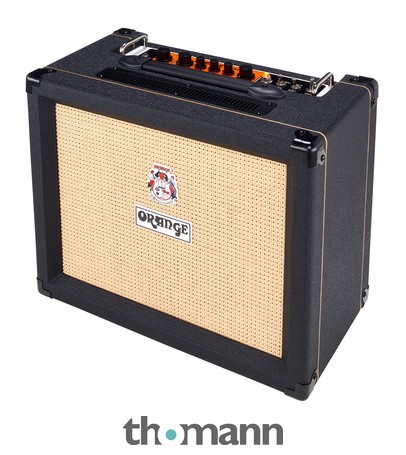
Your amp matters too, more than people expect. Fuzz interacts with input impedance in a way overdrive mostly doesn't, which is part of why the same pedal can sound glorious through one amp and a bit farty through another. If you're building a budget rig from scratch, something like the Boss Katana-50 MkII (check price) or a Fender Blues Junior IV (check price) both take fuzz reasonably well, assuming the rest of your signal chain isn't fighting it.
Settings that actually work for a beginner
Start simple. Volume around midday, fuzz or sustain around nine o'clock to start (lower than you think), tone to taste. Then do the single most useful thing nobody tells beginners to do: play a chord, then roll your guitar's volume knob down to around 6 or 7, and listen. A good Fuzz Face style circuit will clean up into something almost like a mild overdrive. That interaction is the entire point of owning a fuzz pedal rather than a fixed-gain distortion box, and if your pedal doesn't do that at all, you've probably got a buffer in front of it killing the effect.
I'll be honest about one thing here, because I think it needs saying: a lot of "fuzz for beginners" advice online tells people to crank the gain all the way up straight away, and I reckon that's backwards. Fuzz at full gain all the time gets old fast and makes you lazy with dynamics. Learn it at a moderate setting first.
Which one should you actually buy?
For a genuine first fuzz, I'd steer most students toward the Boss FZ-5 (check price) if they want several classic fuzz voicings in one reliable, pedalboard-friendly box, which takes some of the guesswork out while you're still learning what you like. If you want the "real deal" single-circuit experience and don't mind a bit less flexibility, the Dunlop Fuzz Face Mini Silicon or an Electro-Harmonix Big Muff Pi are both honest, well-regarded entry points into their respective families. Our full roundup in the best fuzz pedals guide goes through more options at different price points if you want to compare before buying.
One thing I will say against the grain: don't buy a fuzz pedal as your very first pedal ever. Learn how an overdrive behaves first, on something like the Boss SD-1 (check price), so you've got a reference point for "normal" gain behaviour before you throw a fussier, more reactive circuit into the mix. It'll save you a lot of confused late-night forum posts.
The mistakes I see most often
Buying a fuzz and leaving every other pedal switched on in front of it is probably the top one. Close behind is judging a fuzz pedal through a cheap practice amp with the gain already pushed, which just turns everything to mush, there's no way to tell what the fuzz itself is doing in that scenario. If you're assessing tone properly, do it through a clean amp channel first. A Yamaha THR10II (check price) or similar modelling practice amp is genuinely useful here because you can keep the amp dead clean and let the fuzz do all the work, which is the only fair way to judge it.
Fuzz rewards patience more than almost any other pedal type I teach on. Give it an afternoon with your volume knob and your amp's clean channel before you decide whether you like it.
Common questions
- Is fuzz the same as distortion?
- No. Distortion and overdrive pedals use diode clipping for a more amp-like, squarer tone. Fuzz uses transistor-based clipping, which gives a thicker, more compressed, often synth-like texture, and reacts much more to your guitar's volume knob.
- Why does my fuzz pedal sound thin or weak?
- Usually it's pedal order. Buffered pedals (tuners, some boosts, many digital effects) placed before a fuzz can choke its gain. Try running the fuzz first in your chain, straight after the guitar, with nothing buffered ahead of it.
- Should a beginner choose germanium or silicon fuzz?
- Silicon is generally more practical for a first pedal because it behaves consistently regardless of temperature. Germanium fuzz can sound different on a cold stage than it does at home, which is a fun quirk once you know gear but a confusing variable when you're still learning.
- What amp settings work best with a fuzz pedal?
- Keep your amp's own gain clean or only lightly pushed and let the fuzz pedal do the heavy lifting. Running a fuzz into an already-distorted amp channel usually just produces mush rather than useful tone.
I'm Rob, and I've taught guitar for over fifteen years — which means I've watched hundreds of beginners buy the wrong thing because someone baffled them with jargon. So that's my job here: cut through it. I genuinely love good budget gear, the kind that punches way above its price and actually keeps a new player playing. I'll tell you in plain English what matters, what doesn't, and what's a waste of your first hundred quid. No snobbery, no gatekeeping — just honest help getting started right.
Guitar teacher (15+ yrs); beginner and budget-gear specialist
More from Rob
 Overdrive vs distortion: what the names actually meanOverdrive and distortion pedals aren't just marketing labels. Here's the plain-English difference and how to pick the right one for your amp.
- Your first delay and reverb pedal: settings that actually workA plain-English guide to your first delay and reverb pedal settings, so you get lush ambience instead of a muddy mess on stage or at home.
- Solid top vs laminate: what actually matters for a beginnerSolid top or laminate acoustic? Here's what genuinely changes for a beginner, and what's just marketing you can safely ignore.
 How to store an acoustic guitar when you're not playing itWhere and how you store your acoustic between sessions matters more than most beginners realise. Here's what actually protects it, in plain English.
- Metronome practice for beginners: why slow is the only speed that worksMost beginners use a metronome wrong. Here's the plain-English way to practise with one so your gear actually starts sounding like you.
- Cutaway or no cutaway: does it actually matter on an acoustic?A cutaway looks the part but does it change your tone or just your access to high frets? Here's the honest answer for beginners.