Metronome practice for beginners: why slow is the only speed that works
Had a student last Tuesday, sixteen years old, absolutely nail a riff at full speed and then fall apart the second I asked him to play it at half tempo with a click going. That's not a coincidence. That's the single most common thing I see in fifteen-odd years of teaching, and it's the reason a lot of beginners buy new gear when what they actually need is forty minutes with a metronome and a bit of patience.
I want to talk about metronome practice properly, because most people either avoid it completely or use it in a way that does almost nothing for them. And this matters for gear choices too, which I'll get to, because the way you practise changes what you actually need in your rig.
Why beginners avoid the metronome (and why that's backwards)
Nobody enjoys sounding worse than they think they sound. That's basically the whole reason people skip the click. You've been playing a riff for a week, you feel like you've got it, then you turn on a metronome at a sensible tempo and suddenly every little rush and drag is right there in your face. It's confronting. I get it.
But that discomfort is the entire point. A metronome doesn't make you play worse — it just stops you lying to yourself about timing you already had wrong. I tell my students this constantly: the guitar doesn't care how good it felt. Time is either steady or it isn't, and your ear gets lazy without something external to check against.
Here's my mildly unpopular opinion, and I'll stand by it: most "I've hit a plateau" complaints from beginners aren't a technique problem at all. They're a timing problem wearing a technique costume. Fix the timing and half the "I can't play this riff" issues sort themselves out within a fortnight.
The mistake almost everyone makes with tempo
The classic error is starting way too fast and nudging the tempo up in big jumps — 100, then 120, then "eh, let's try 140" — because slow feels boring and beginner brains want progress to feel dramatic. It doesn't work like that.
Go slower than feels necessary. If you think a riff needs to start at 80 bpm, try 60. If that still trips you up, go to 50. You're not being precious, you're building a version of the riff your hands can actually repeat without thinking, and that only happens below the speed where mistakes creep in. Once you can play it cleanly, ten times in a row, with zero hesitation, bump it up five bpm. Not ten. Five. It's slow and it's a bit tedious and it is genuinely the fastest way to get fast.
I usually get students to write the "clean tempo" and the date next to it in a notebook. Watching that number climb over a month is more motivating than any app streak.
Where this actually connects to your gear
This is the bit that surprises people. Practising with a metronome at low, honest tempos exposes exactly where your picking hand and fretting hand aren't syncing up — and that's the same sloppiness that gets hidden (or exaggerated) by your amp settings.
If you're practising clean, or on something like the Yamaha THR10II (check price) or a basic setup like the Blackstar ID:Core 20 V4 (check price), every timing flaw is audible. There's nowhere to hide. That's actually a gift for a beginner — it's why I tell people not to rush into high-gain practice amps before they've spent real hours playing clean. If you want more on that, we've covered picking accuracy specifically at low gain, and it's worth reading alongside this.
Once you add distortion or gain, sloppy timing gets smeared together and can sound like it's "working" when it isn't. That's genuinely useful for confidence sometimes, fine, everyone likes feeling like a rock star occasionally. But if you only ever practise loud and gained-up, you're not actually training the thing a metronome trains. You're just enjoying the cover-up.
Setting up a practice routine that isn't miserable
Nobody sticks with metronome work if it feels like homework. A few things that actually work with real students:
Start every practice session with five minutes of something you already know well, played dead slow with the click. Not the new riff — an old one. This warms up your internal clock before you touch anything difficult. Then move to whatever you're actually working on, at the "too slow to be interesting" tempo, and only push the number up once it's boring-clean.
Use subdivisions, not just the beat. If a riff has sixteenth notes, set the metronome to click on the eighth or even the sixteenth for a session or two. It sounds fussy, but it stops you rushing the in-between notes, which is where most beginner timing errors actually live — not on the downbeat, in the gaps.
And practise on the guitar you'll actually gig or jam on eventually. If you're learning on something like a Squier Sonic Stratocaster (check price) or a Yamaha Pacifica 112V (check price), get comfortable with how that specific neck and those specific strings respond at slow speed before you worry about tone shaping. A good, honest budget practice amp like the ones in our best practice amps guide is more useful here than anything flashy, because you want to hear yourself clearly, not be flattered.
When a metronome app is enough, and when it isn't
Free phone metronome apps are completely fine for most of this. You don't need a $200 pedal tuner-metronome combo as a beginner — that's money better spent on strings or a setup. The only time I'd suggest a dedicated hardware unit is if you're already gigging and need something loud enough and visible enough on a stage, which is a different problem entirely.
What actually matters is consistency of use, not the tool itself. Ten minutes of honest, slow, click-locked practice most days beats an hour of unmetred noodling on the weekend. I've watched that pattern play out with more students than I can count — the ones who practise briefly but with a metronome overtake the ones who practise for hours without one, usually within a couple of months.
A quick reality check on progress
If you've been playing three months and can't yet nail a riff at performance tempo, that's not failure, that's completely normal — assuming you're practising slow and clean rather than fast and messy. The metronome doesn't lie to you, but it also doesn't rush you. Trust the number on the dial more than the feeling in the moment. Your hands will catch up to what your ear already knows is steady.
Common questions
- What tempo should a beginner start practising a new riff at?
- Start well below what feels necessary — often half the eventual target tempo. You want to play it cleanly ten times in a row before increasing speed, and increases should be small, around five bpm at a time.
- Do I need a hardware metronome or is an app enough?
- A free phone app is enough for almost all home practice. Hardware metronomes only really earn their keep on a loud stage where you need something visible or audible over a band.
- Why does my playing sound worse with a metronome on?
- It usually doesn't get worse — the metronome just reveals timing issues that were already there but hidden by feel or by gain and distortion smoothing things over.
- Should I practise with distortion or clean?
- Clean, at least for timing work. Distortion and high gain can mask sloppy picking and fretting, so practising clean exposes problems you actually need to fix before you add effects.
I'm Rob, and I've taught guitar for over fifteen years — which means I've watched hundreds of beginners buy the wrong thing because someone baffled them with jargon. So that's my job here: cut through it. I genuinely love good budget gear, the kind that punches way above its price and actually keeps a new player playing. I'll tell you in plain English what matters, what doesn't, and what's a waste of your first hundred quid. No snobbery, no gatekeeping — just honest help getting started right.
Guitar teacher (15+ yrs); beginner and budget-gear specialist
More from Rob
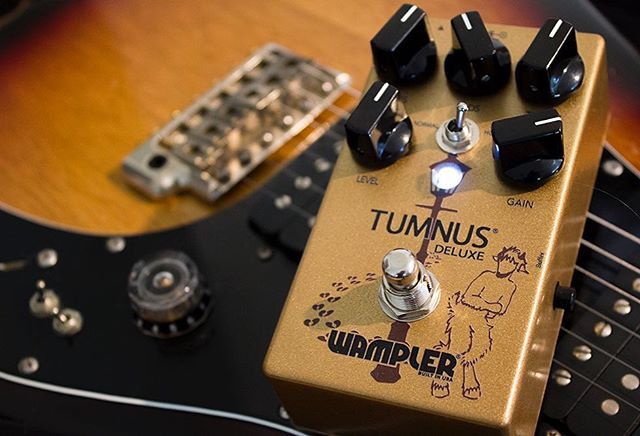 Overdrive vs distortion: what the names actually meanOverdrive and distortion pedals aren't just marketing labels. Here's the plain-English difference and how to pick the right one for your amp.
- Your first delay and reverb pedal: settings that actually workA plain-English guide to your first delay and reverb pedal settings, so you get lush ambience instead of a muddy mess on stage or at home.
- Solid top vs laminate: what actually matters for a beginnerSolid top or laminate acoustic? Here's what genuinely changes for a beginner, and what's just marketing you can safely ignore.
 How to store an acoustic guitar when you're not playing itWhere and how you store your acoustic between sessions matters more than most beginners realise. Here's what actually protects it, in plain English.
- Cutaway or no cutaway: does it actually matter on an acoustic?A cutaway looks the part but does it change your tone or just your access to high frets? Here's the honest answer for beginners.
- Choosing an acoustic guitar neck width and profile as a beginnerNeck width and shape decide whether an acoustic feels playable or like hard work. Here's what beginners should actually check before buying.