What Makes a Good Metal Guitar? Pickups, Necks and Tuning
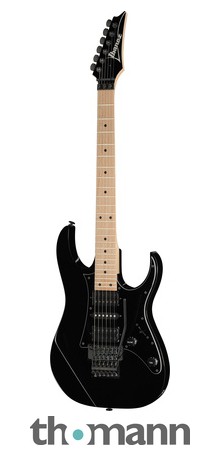
Honestly, a lot of "metal guitar" marketing is just pointy bodies and skull inlays. The stuff that actually makes a guitar good for metal is more practical than that. Here''s what to look for.
Pickups: active vs passive
This is the big one. Active pickups (EMG, Fishman Fluence) use a battery-powered preamp for a very tight, focused, high-output sound that stays clear under massive gain — ideal for fast, palm-muted riffing and drop tunings. Passive pickups are more dynamic and open, and plenty of classic metal uses them. Guitars like the ESP LTD EC-1000 (check price) and Schecter Hellraiser (check price) run actives for that tight modern tone.
The neck
Metal lives in the upper frets and demands speed, so a thin, flat (or compound-radius) neck with 24 frets and good upper-fret access matters hugely. Superstrats like the Ibanez RG550 (check price) are built around exactly this — a fast neck is the single biggest "feels like metal" upgrade.
Tuning stability and bridges
Drop tunings and aggressive playing punish your tuning. A double-locking Floyd Rose stays rock-solid and lets you dive-bomb, but it''s fiddly to set up and restring. A hardtail or string-through bridge is simpler and far easier to change tunings on — pick based on whether you actually use the whammy.
The bottom line
Fast neck, tight pickups, stable tuning — get those three right and the body shape is just personal taste. For our full ranked picks at every budget, see the best guitars for metal guide.
Common questions
- Are active pickups better for metal?
- They give a tighter, more focused, higher-output tone that suits modern metal and drop tunings, and stay quiet under high gain — but they need a battery. Passive pickups are more dynamic and used on plenty of classic metal. Both work.
- What neck is best for metal?
- A thin, flat or compound-radius neck with 24 frets and good upper-fret access lets you play fast leads comfortably. Superstrat-style guitars like the Ibanez RG are built around this.
I'm Daz and I play LOUD. Spent years on the road playing modern metal — drop tunings, seven and eight strings, the works — so high-gain tone is genuinely my whole life. Honestly, I came up worshipping tube heads and 4x12s, then digital modellers got good enough to change my mind completely, and now I run a profiler at every gig. I care about two things: does it djent, and does it hold together when you stack the gain? I'll measure the noise floor so you don't have to.
Touring metal guitarist; multi-scale and digital-modelling specialist
More from Daz
 Why fan-fret and multiscale necks actually matter for low tuningsMultiscale necks aren't a gimmick for drop-tuned players. Here's what fan frets actually fix, and when a straight scale is still the smarter buy.
 Why a metalhead should still own one acoustic guitarDaz explains why even a drop-tuned, high-gain player benefits from one decent acoustic, and what actually matters when picking one.
 Pickup output vs string gauge: the real relationship for high gainDaz breaks down how pickup output and string gauge actually interact on high-gain rigs, and why chasing bigger output isn't the fix for a flabby low string.
- Trails and freeze effects: building ambience that doesn't fight your riffTrails and freeze modes can build huge ambient textures on a high-gain rig without turning your chug into soup. Here's how I actually use them.
- Analog vs digital ambient tones on a high-gain rigAnalog or digital delay and reverb for a high-gain rig? Here's how each behaves under gain, and how to set them so the chug survives.
- Scale length and drop tunings: why it matters more than you thinkStruggling to keep drop tunings tight and in-tune? Scale length changes string tension more than gauge does. Here's what actually works.