How right-hand tone production shapes your gear choices
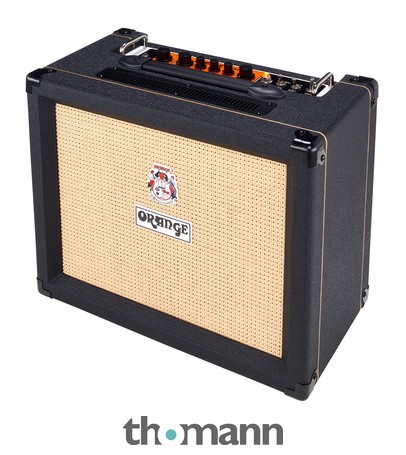
Most players spend a long time choosing gear and relatively little time examining what their right hand is actually doing. I've been on the other side of that equation for most of my playing life, and the session work I did through my twenties at various studios around New York made one thing very clear: the hand comes first. The gear either supports what the hand is doing, or it fights it.
That relationship runs deeper than most people realise. Your right-hand position, the angle of your pick, where along the string you strike, how much flesh contacts the string before or alongside the pick — all of it feeds directly into what a guitar, amp, or even a reverb pedal will give back to you. Choose gear before you've examined that technique and you may end up compensating with equipment for something that could be addressed in ten minutes of focused practice.
Where you pick along the string changes everything
Pick near the bridge and you get a brighter, more compressed tone with sharper transients. Move toward the neck and the sound opens up, becomes rounder, loses a little definition but gains warmth and sustain. This is elementary physics — you're exciting the string at different points along its vibrating length — but its implications for gear selection are rarely discussed.
If your default picking position sits close to the bridge, a bright single-coil instrument may feel harsh at low volumes and brittle at high ones. Players in this situation often reach for a warmer pickup, a darker amp, or an overdrive to smooth the edge. Sometimes that's the right call. Often, though, moving the right hand two centimetres toward the soundhole or neck pickup resolves the issue without touching a single knob.
Conversely, if you habitually pick near the neck, a warmer humbucker guitar through a mid-scooped clean amp can become muddy very quickly. The rig that sounds beautiful on a recording with another player can sound like you're playing through a blanket when it's yours. Archtop players deal with this constantly — the combination of a floating humbucker and a hollow body is already quite warm, and a lazy picking position compounds it.
Pick angle and the pick itself
The angle at which the pick contacts the string — flat versus angled, leading edge versus bevelled — shapes the attack envelope as much as any piece of gear. A flat pick attack is percussive and immediate. An angled attack releases the string more gradually, producing a softer onset and a rounder tone.
I've watched students spend real money on boutique overdrive pedals trying to soften a harsh pick attack when the answer was simply to rotate the pick about twenty degrees. It sounds reductive. It isn't. Once you hear the difference in isolation, you start understanding which tonal problems live in the hand and which ones genuinely require a piece of equipment to solve.
Pick thickness and material follow the same logic. A thicker pick (1.0mm and above) generally produces more midrange focus and less high-frequency click — useful for jazz voicings where the individual notes of a chord need to sing rather than poke. A thinner pick adds flex and brightness, which can be an asset for strumming but becomes a liability the moment you need a single note to project cleanly in an ensemble. If you've been chasing warmth with your amp's EQ, it may be worth checking your pick gauge first.
How right-hand dynamics interact with amp response
A well-designed valve amp responds to picking dynamics in a way that no amount of post-processing quite replicates. That responsiveness is only useful, though, if your right hand is actually producing dynamic variation. Plenty of players have a relatively narrow dynamic range without realising it — they play at one consistent pressure and then reach for the volume knob when they want things quieter or louder.
This matters for amp selection. If your right hand produces genuine dynamic range — from a near-whispered chord to a full, confident attack — an amp with a touch-sensitive clean channel will reward you in ways that a more compressed, consistent-feeling solid-state amp may not. The Vox AC15C1 (check price) is a good example: it responds beautifully to a player who actually varies their attack, and it can feel a little one-dimensional under a hand that doesn't. That's not a flaw in the amp. It's information about the technique.
There's a broader point here about matching gear to your actual playing rather than your aspirational playing. Buying a highly responsive, touch-sensitive instrument before you've developed the touch to take advantage of it is putting the cart before the horse. I'd argue this is one of the most common and least-discussed mistakes intermediate players make.
The role of flesh and string contact
Many guitarists, particularly those coming from a rock background, use little or no palm contact with the strings when playing clean. Jazz and fingerstyle players often use a lot. The degree to which the fleshy edge of your palm rests against the strings near the bridge — even very lightly — absorbs high-frequency content and tightens the low end. It's a built-in tone control that most people don't think of in those terms.
For players interested in clean and semi-clean tones, experimenting with palm contact can shift your sound enough that you reconsider certain gear purchases. Players who rest their hand on the bridge area often find they can use brighter strings and brighter amps than they expected, because the hand is naturally tempering the top end. Remove the hand, and suddenly those same settings feel harsh. The string gauge you thought was too bright may be exactly right, once you account for what the hand was doing.
What this means when you're buying a guitar
When I try an unfamiliar guitar, the first thing I do is play it in a few different right-hand positions — bridge, middle, near the neck — and with varying pick angles and attack weight. A guitar that only sounds good in one specific configuration is telling me something about its tonal range. An instrument that rewards exploration of the right hand, one where moving your attack point produces clearly different but equally musical results, that's an instrument with real depth.
This is worth keeping in mind when browsing something like the best intermediate electric guitars. A guitar that photographs well and has impressive specs may feel limited once you start probing it with technique. A simpler, less-hyped instrument may open up considerably once you bring the right hand into play.
The same logic applies when reading about pickup types. The warmth or brightness attributed to a particular pickup is always a starting point, not a fixed destination. Your right hand adjusts that EQ continuously, in real time, in ways no passive electronic component can replicate. Understanding that relationship won't make gear research obsolete — it'll make it considerably more accurate.
Spend a few sessions deliberately isolating the variables: one position, one angle, one amount of palm contact, then change one thing and listen carefully. It takes patience. But the players I've worked with who took that seriously ended up with smaller gear collections and better tone. Both outcomes seem worth the effort.
— Marc, Jazz & Clean-Tone Contributor
Common questions
- Does right-hand technique matter more on a clean tone than a dirty one?
- Generally, yes — though not exclusively. A saturated, high-gain tone compresses the signal heavily, which reduces the audible difference between a light and firm attack. On a clean or lightly overdriven tone, the amp and guitar reproduce what the hand is actually doing with very little masking, so variations in attack, pick angle, and contact point are all clearly audible. That's part of why clean-tone players tend to be particularly focused on right-hand development.
- How do I know if a tone problem is in my technique or my gear?
- The most reliable test is to try the same guitar and amp through headphones or a clean recording, then deliberately change one right-hand variable at a time — picking position along the string, pick angle, attack weight. If the tonal problem (too bright, too dark, too harsh, too muddy) changes meaningfully when you adjust your hand, the issue is at least partly in the technique. If it persists regardless of what the hand does, the gear is more likely the limiting factor. Most players find it's a combination of both, but technique is always worth ruling out first because it's free to fix.
- Can changing my pick gauge really make as much difference as changing a pickup?
- In some cases, yes. Moving from a very thin pick (0.46mm) to a medium-heavy (0.88mm or above) changes the attack envelope, reduces high-frequency click, and produces more midrange focus in a way that's quite audible on a clean tone. Whether that shift matches what a pickup change would do depends entirely on the specific pickup and the player's technique, but it's a much cheaper experiment. Start with the pick before committing to a hardware change.
I'm Marc. My background is jazz — conservatory training, years of session work, and a long-standing love affair with hollowbody archtops and a clean, articulate tone. I think about gear the way I think about voicings: every component shifts the colour of the whole. I'm drawn to instruments that reward a light touch and reveal what your hands are actually doing. You won't find hyperbole in my reviews; you'll find careful listening, and an honest account of how a guitar or amp behaves when you ask something musical of it.
Conservatory-trained jazz guitarist and session musician
More from Marc
- How nut slot depth affects your guitar's tone, tuning and playabilityNut slot depth is one of the least discussed setup variables — and one of the most consequential. Here's what it actually does to your tone, intonation and feel.
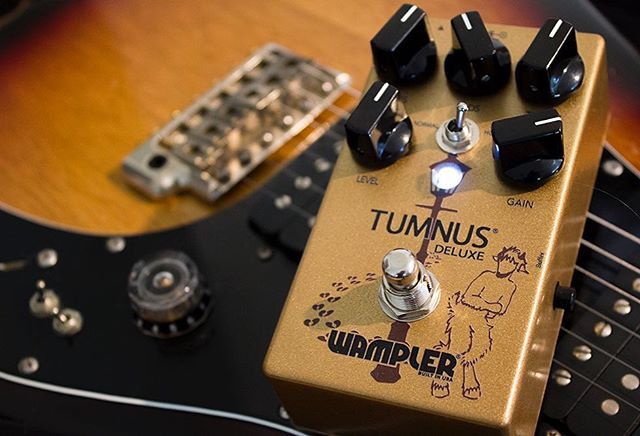 Delay feedback and decay: what those two knobs actually do to your toneFeedback and decay are the most misunderstood controls on any delay pedal. Marc breaks down what they actually do — and how to use them musically.
- Amp wattage explained: what it actually means for your tone and volumeWattage isn't just a volume number — it shapes how an amp breaks up, breathes, and responds. Marc explains what the specs actually mean.
- How overdrive pedals interact with your guitar's volume knobYour guitar's volume knob isn't just an on/off switch. Marc explains how it reshapes overdrive response, cleans up dirt, and gives you a dynamic range most players leave on the table.
- How fuzz pedals behave with humbuckers vs single-coilsHumbuckers and single-coils don't just sound different through a fuzz — they change how the circuit behaves entirely. Here's what's actually happening.
- How to set delay and reverb so they work together, not against each otherRunning delay and reverb on the same signal can blur into mush fast. Here's how to set each so they complement each other and keep your tone clear.