Why a jazz box needs a different amp than a Strat does
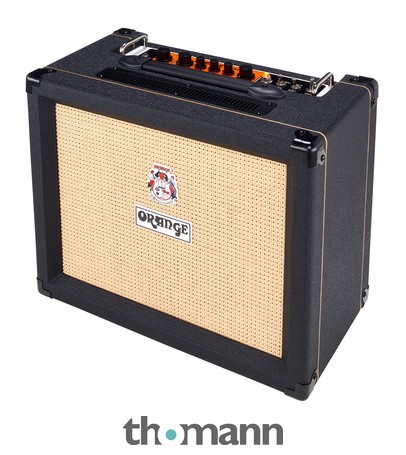
A student brought a lovely Eastman archtop into a lesson last month, plugged it into his Marshall DSL40CR, and looked genuinely confused when it sounded like a different instrument entirely. Boxy, a little aggressive in the upper mids, none of the bloom he'd heard on the recordings he was chasing. The guitar wasn't the problem. The amp was voiced for something else.
This comes up constantly, so let's get into why an archtop or a clean-toned solidbody actually wants a different amplifier than a guitar built to be pushed into breakup, and what that means practically when you're choosing gear.
Headroom is the whole conversation
Headroom just means how much clean signal an amp can pass before the power section starts to compress and distort. For a rock or blues player, limited headroom is often the point, you want the amp singing a little at gig volume. For jazz, headroom is close to non-negotiable. An archtop with a floating pickup or a warm neck humbucker already has a soft attack and a fast decay on the low end. Push that through an amp that's compressing at moderate volume and you lose the note's shape entirely, the attack blurs into the sustain and everything turns to mud.
This is why you'll see so many jazz players on amps that seem oversized for the room, a 40 or 50 watt valve combo run at a fraction of its dial for a duo gig. It's not about volume, it's about staying in the amp's linear zone where the note comes out sounding like the note. I've said this before to students and I'll say it again: buying an amp based on wattage alone, without asking where its clean ceiling actually sits, is a guess.
Valve vs modelling for a clean voice
Modelling amps have improved enormously and I don't say that to be polite. The Yamaha THR10II (check price) genuinely does a convincing clean jazz voicing at bedroom volume, and it's a sensible choice for practice or quiet home recording where you're not fighting a power section for headroom at all, because the modelling handles that math digitally. The Positive Grid Spark 40 (check price) sits in similar territory, useful, flexible, honestly quite good for the price.
Where valve still has an edge, in my experience, is in the way a real power section responds to touch as you approach its ceiling, even gently. There's a slight give, a rounding at the very top of a note's dynamic range that digital modelling has gotten close to but that I still find myself noticing the absence of on stage, through a real room, at real volume. That's a subjective call and I'd be careful stating it as fact, plenty of good ears disagree with me. But it's the honest reason I still gig a valve combo.
What to actually look for
Skip the wattage number as your first filter and look at the EQ voicing instead. Fender-style clean platforms, the Fender Blues Junior IV (check price) being the obvious example, tend to scoop the mids slightly and leave a shimmer up top that suits single coils beautifully but can sound thin under a warm archtop humbucker. British-voiced amps like the Vox AC15C1 (check price) push the mids forward, which actually flatters an archtop's woodier character more than you'd expect, that chime works well with a fuller-bodied pickup.
If you're buying specifically for jazz or clean session work, I'd genuinely rather have a smaller amp with generous clean headroom than a big amp voiced for breakup. Our best tube amps under $1000 guide covers a few options worth auditioning with this in mind, and if you're still building your first serious rig, the best practice amps for home and learning piece is a reasonable starting point too, several of those handle clean tones far better than their price suggests.
The pickup and amp are one system
I think about this the same way I think about voicings on the guitar, every element changes the colour of what comes after it. A humbucker with alnico magnets already softens the top end before the signal reaches the amp, so pairing that with an amp that also rolls off highs can leave you dark and undefined. Conversely a bright amp can restore articulation a warm pickup loses. This is worth testing in person rather than trusting a spec sheet, plug your actual guitar into the actual amp before you commit, because the combination is what you're really buying, not either component alone.
A practical way to test in the shop
Play a single note high on the low E string, let it ring, and listen to how long the fundamental stays audible before it collapses into noise or gets swallowed by breakup. Do this at a volume close to what you'd actually gig at, not bedroom level, because headroom characteristics only reveal themselves as you push the power section. If the note holds its shape and the amp stays quiet and clean under it, you've found something worth taking home.
Common questions
- Do I need a big wattage amp for jazz gigs?
- Not necessarily loud, but you generally want an amp with more clean headroom than the volume you're playing at requires, so a 40 to 50 watt valve combo run well under its ceiling is common even for small rooms.
- Is a modelling amp good enough for clean jazz tone?
- For practice and home recording, yes, several modelling amps handle clean archtop tones convincingly. Live, some players still prefer a valve power section's response as it approaches headroom, though this is a matter of taste rather than an objective gap.
- Does pickup type change which amp suits me?
- Yes. A warm humbucker with alnico magnets pairs differently with a bright versus a dark-voiced amp, so it's worth testing your actual guitar through any amp you're considering rather than relying on specs alone.
I'm Marc. My background is jazz — conservatory training, years of session work, and a long-standing love affair with hollowbody archtops and a clean, articulate tone. I think about gear the way I think about voicings: every component shifts the colour of the whole. I'm drawn to instruments that reward a light touch and reveal what your hands are actually doing. You won't find hyperbole in my reviews; you'll find careful listening, and an honest account of how a guitar or amp behaves when you ask something musical of it.
Conservatory-trained jazz guitarist and session musician
More from Marc
 Fuzz on an archtop: why it works better than you'd thinkA jazz player's take on using fuzz with archtops and hollowbodies — where it sits beautifully and where it turns to mud.
- Guitar pickup height: how it affects tone, output and dynamicsPickup height is one of the most overlooked adjustments on any electric guitar. Marc explains what it does to your tone, output and feel — and how to set it right.
- Speaker impedance and ohm matching: what it means for your ampMismatching your amp's impedance output to your speaker cab is one of the quieter ways to damage a valve amp. Here's what the numbers actually mean.
- How nut slot depth affects your guitar's tone, tuning and playabilityNut slot depth is one of the least discussed setup variables — and one of the most consequential. Here's what it actually does to your tone, intonation and feel.
- Delay feedback and decay: what those two knobs actually do to your toneFeedback and decay are the most misunderstood controls on any delay pedal. Marc breaks down what they actually do — and how to use them musically.
- Amp wattage explained: what it actually means for your tone and volumeWattage isn't just a volume number — it shapes how an amp breaks up, breathes, and responds. Marc explains what the specs actually mean.